.svg)
Next
Next

Dental Bridges
A dental bridge literally bridges the gap where one or more teeth are missing. Anchored to the teeth on either side (or supported by implants), the bridge holds an artificial replacement tooth (or several) firmly in place. Unlike dentures, bridges are fixed — you don’t take them out. Unlike implants, they don’t require surgery. For the right patient and the right gap, bridges are an excellent, time-tested solution.

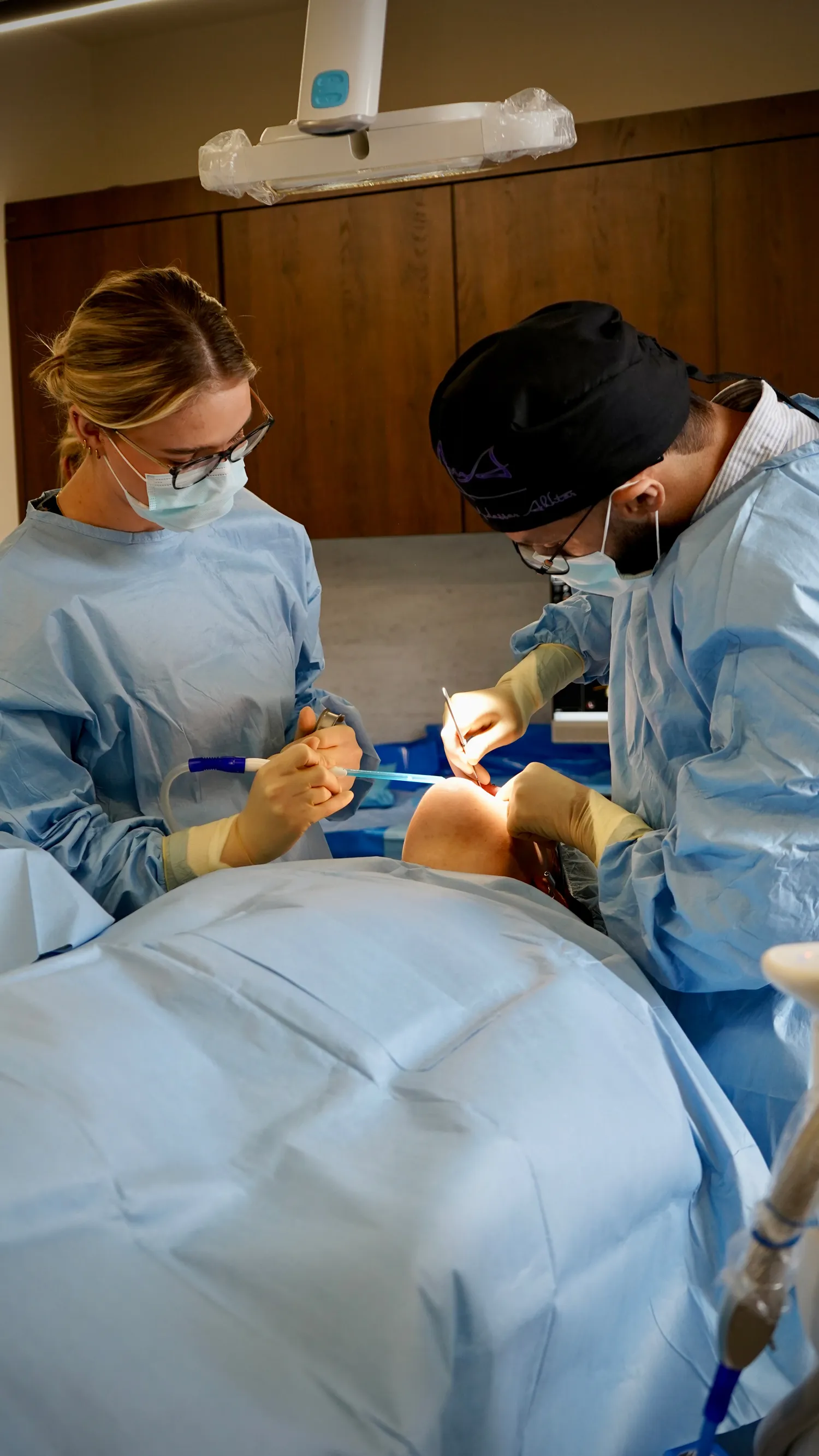

Modern bridges use high-strength materials — porcelain fused to metal, or full-ceramic zirconia — that look natural and perform reliably for 10–15 years or more. At Clarendons, every bridge is custom-crafted and precisely fitted, restoring both function and confidence. In our Leeds city centre clinic, with care and consideration at every step.

What is a dental bridge?
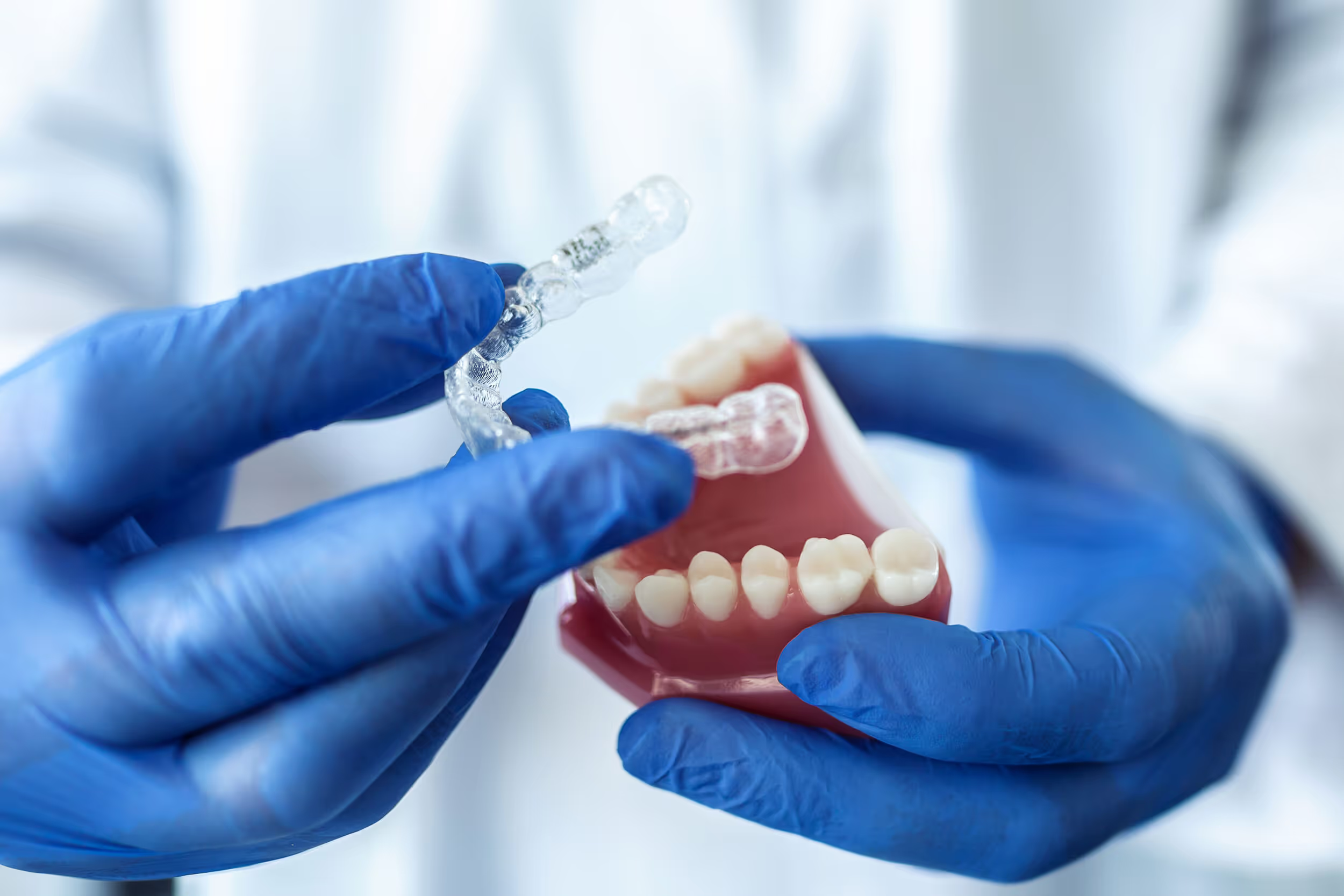
A traditional bridge consists of artificial teeth (called pontics) fused between crowns that fit over the teeth adjacent to the gap (called abutment teeth). The abutment teeth are prepared (drilled down slightly), then precise impressions are taken. A lab crafts the bridge, which is cemented permanently in place at a second appointment.
Other bridge types include Maryland bonded bridges (which use wings bonded to the back of adjacent teeth, requiring less preparation), cantilever bridges (attached to only one neighbouring tooth, suitable in specific cases), and implant-supported bridges (which use implants instead of natural teeth as anchors).
Show more
Show less

Features and benefits
Unlike dentures, bridges stay permanently in place. You clean them like natural teeth (with a few special techniques). No removing, no adhesives, no slipping.
A good bridge restores near-normal function — you can eat most foods comfortably and speak clearly without the adaptation period dentures require.
Modern porcelain and zirconia bridges look completely natural and typically last 10–15 years or more with proper care. Established, reliable technology.


The Clarendon's Difference
A well-fitting bridge feels almost identical to natural teeth. A poorly-fitting one causes persistent issues — decay around the edges, gum problems, bite interference, eventual failure. The difference comes down to precision: careful preparation of the abutment teeth, accurate impressions, meticulous bite registration and skilled laboratory work. At Clarendons, we partner with a trusted ceramic lab and take the time needed to get every bridge right.
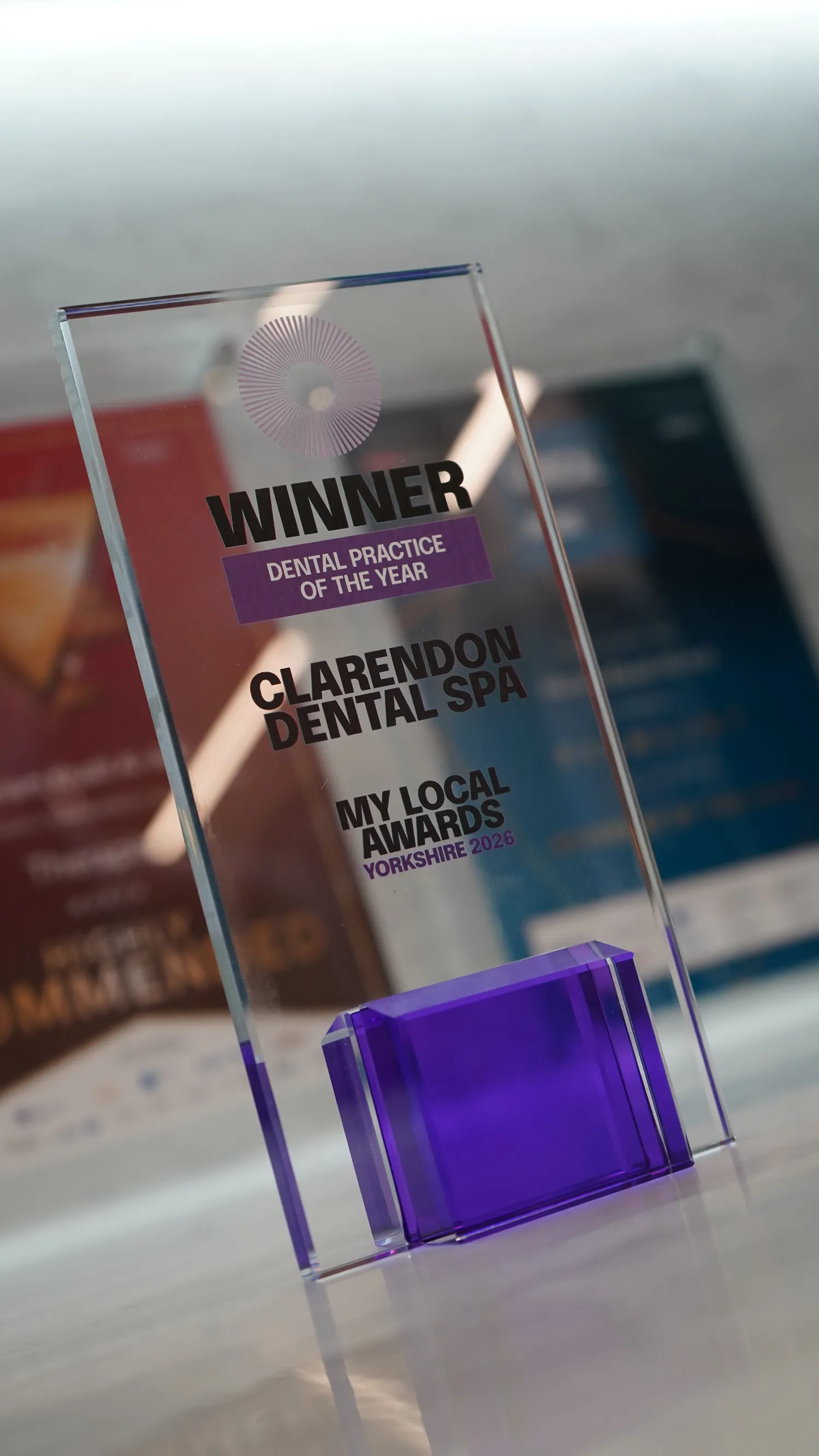
Our award-winning clinic in Leeds city centre handles bridges with care and expertise. Honest discussions about whether a bridge, implant or other option is actually best for you. Transparent pricing with interest-free finance. Precise digital scanning (no messy impressions). Premium materials. And responsive aftercare — we’ll check in at follow-up visits to ensure everything’s performing beautifully.
Show more
Show less

THE BRAND PATIENTS TRUST

How much does a dental bridge cost?
Bridge pricing is based on the number of units (crowns and pontics) and the material chosen. A 3-unit bridge (two crowns supporting one pontic) is most common. Zirconia and full-ceramic bridges cost more than porcelain-fused-to-metal but offer superior aesthetics and no metal. Maryland bonded bridges are typically less expensive than traditional bridges because they require less preparation. At your consultation, we’ll provide itemised pricing and discuss whether an implant might be a better long-term investment. Interest-free finance available.
We are a credit broker, not a lender.
Your smile transformation starts here. Explore what makes Clarendons different — from the team behind the work to the journeys that inspire it.