Next
Next
Small differences, long-term impact
A daily habit that shapes your long-term oral health. While both manual and electric toothbrushes can be effective, understanding the differences can help you make a more informed, personalised choice.

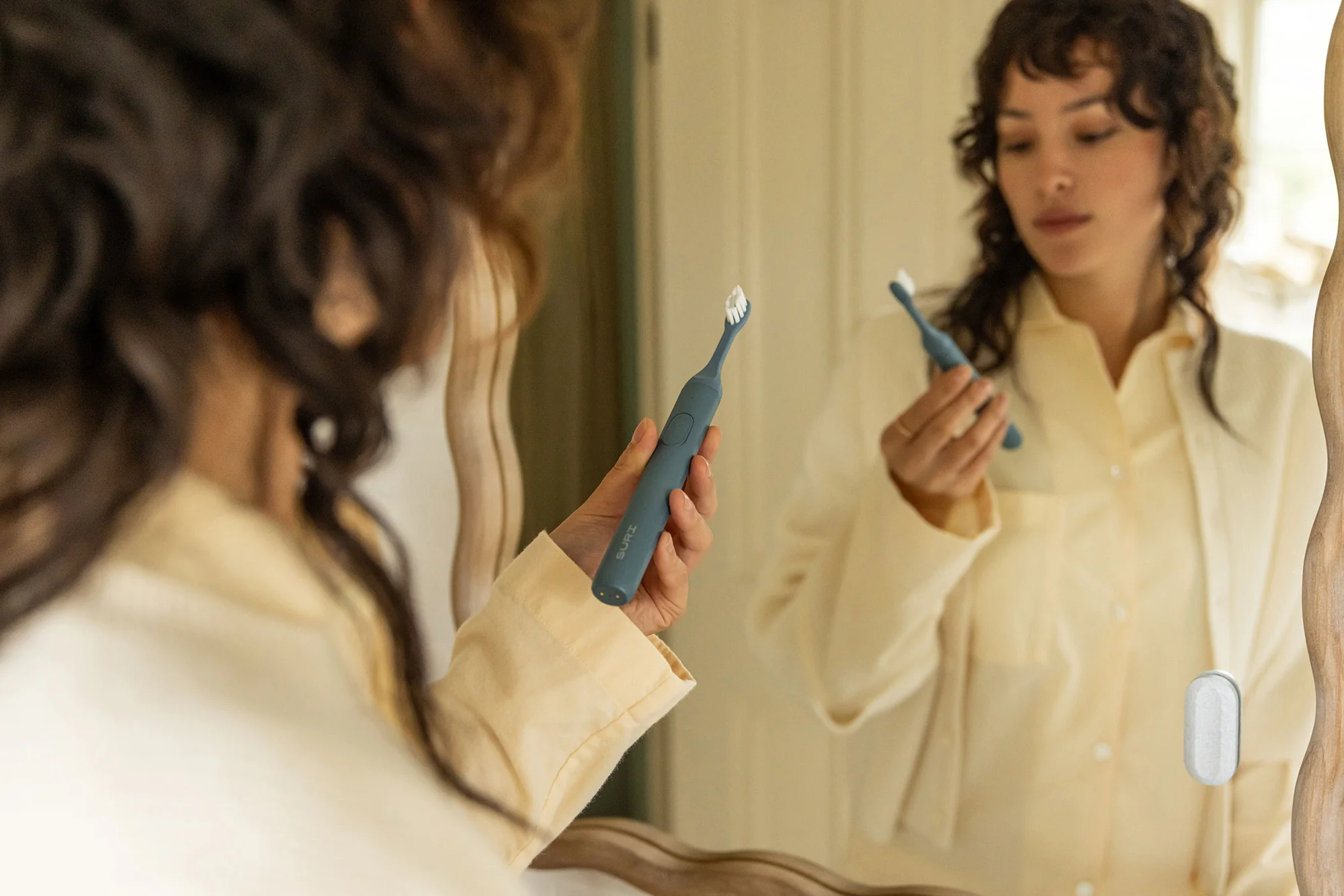
One of the most common questions patients ask is simple: which toothbrush is better?
The answer isn’t purely one-size-fits-all—but there are clear differences in performance, convenience, and suitability that are worth understanding.
Modern electric toothbrushes are designed to enhance both efficiency and consistency.
Clinical evidence shows they are generally more effective at removing plaque—a key contributor to gum disease and tooth decay.
Key advantages include:
Many models also feature replaceable heads, offering a more sustainable long-term option compared to frequently discarded manual brushes.
Manual toothbrushes remain a reliable and accessible option when used correctly.
Their advantages are straightforward:
For patients with good brushing habits and technique, a manual toothbrush can still maintain a high standard of oral hygiene.
While both options can be effective, studies consistently show a greater reduction in plaque when using electric toothbrushes compared to manual ones.
The difference may not always be dramatic—but even small improvements in plaque control can have a meaningful impact on long-term oral health.
The right choice ultimately depends on your needs, preferences, and routine.
What matters most is not just the tool itself, but how well and how consistently it is used.
Both manual and electric toothbrushes can support good oral health when used properly. The key lies in maintaining a consistent routine, using the correct technique, and attending regular dental check-ups.
With the right approach, either option can form part of a healthy, long-term care routine.