

Dental Emergency? Same-Day Appointments Until 10 PM — Call 0113 245 9004
Open 7 Days a Week — Until 10pm. Call 0113 245 9004

4.8

/

3,840 reviews

Whatsapp us

Scan the QR Code to chat with our staff via your smartphone.

Next

Dental Hygiene Leeds

Dental Hygienist Services for Healthy Gums in Leeds

Dental Hygiene

Prevention, professionally delivered

Regular hygiene care plays a vital role in maintaining healthy teeth and gums. Our hygienists focus on preventing and treating gum disease, while helping you build effective daily habits. At Clarendon Dental Spa, every visit is tailored to your needs — combining clinical precision with clear, practical guidance.
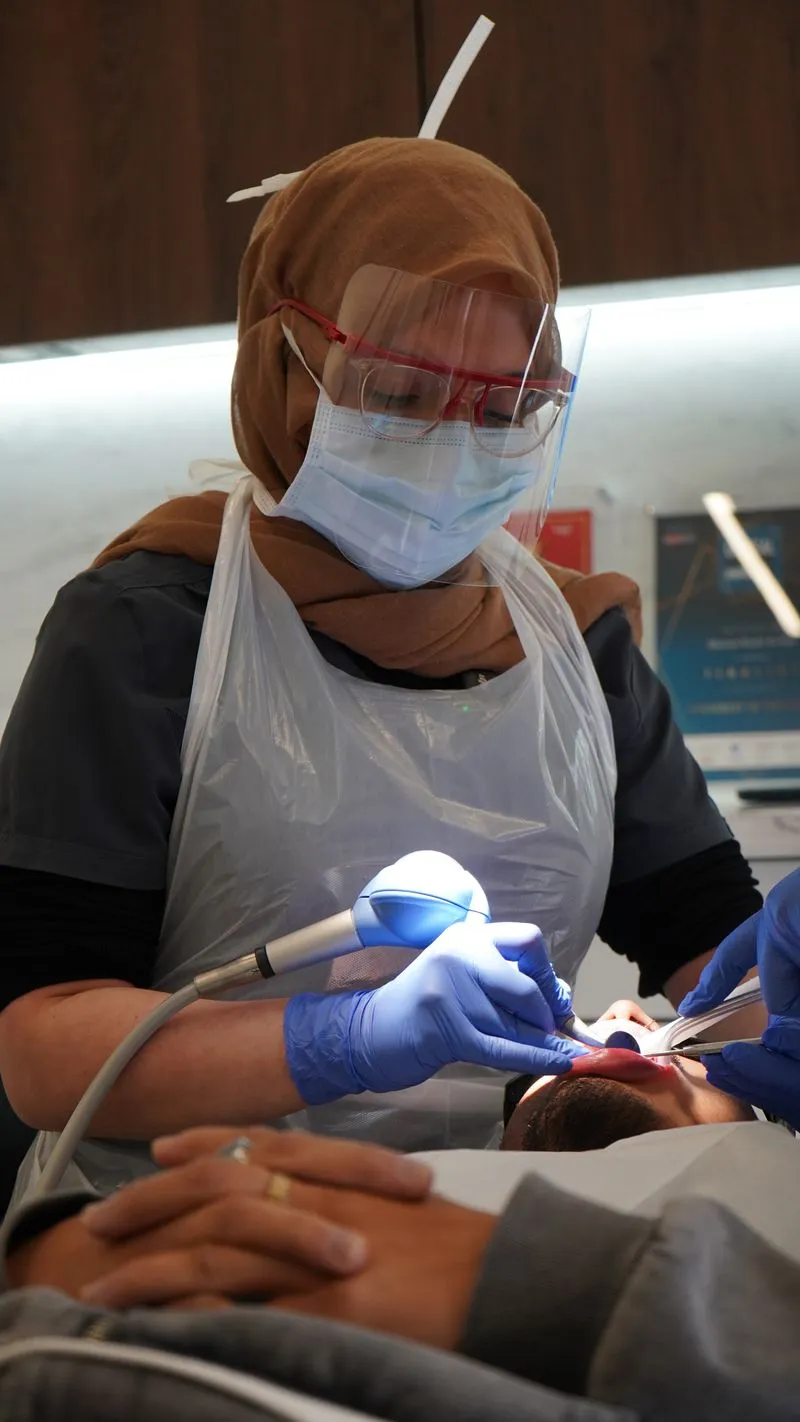
Dentist wearing a hijab, face shield, mask, and gloves performing dental treatment on a patient.

Airflow treatments / leeds

Airflow. Cleaner teeth. No scraping.

  • Airflow is a dental cleaning technology that uses a fine jet of water, warm air and fine powder (usually erythritol or sodium bicarbonate) to remove plaque, biofilm and surface stains from teeth. It’s used as part of modern hygiene protocols like Guided Biofilm Therapy (GBT), replacing most of the traditional hand-scaling that most people associate with ‘getting your teeth cleaned.’

  • Airflow reaches areas traditional instruments can’t — between teeth, below the gum margin, and around orthodontic appliances or implants. It’s faster, gentler and more effective than traditional scaling for most hygiene needs.

Dentist wearing a hijab, face shield, mask, and gloves performing dental treatment on a patient.

Bad Breath Treatment / leeds

Fresh breath. For good.

  • Bad breath is a topic many people find embarrassing to raise, even with their dentist. At Clarendons, we understand — and we approach every conversation with complete discretion and zero judgement. We’ll listen to your concerns, investigate properly, and develop a targeted treatment plan that actually solves the problem. No vague advice about brushing more. No expensive mouthwashes that mask symptoms. Just proper diagnosis and proper treatment.

  • Our award-winning clinic in Leeds city centre provides the calm, confidential environment this kind of care needs. Private consultation. Thorough examination. Honest discussion. And practical, achievable solutions — often starting with targeted hygiene treatment and home care, and escalating to more involved options only if needed. You’ll leave knowing exactly what’s going on and what to do about it.
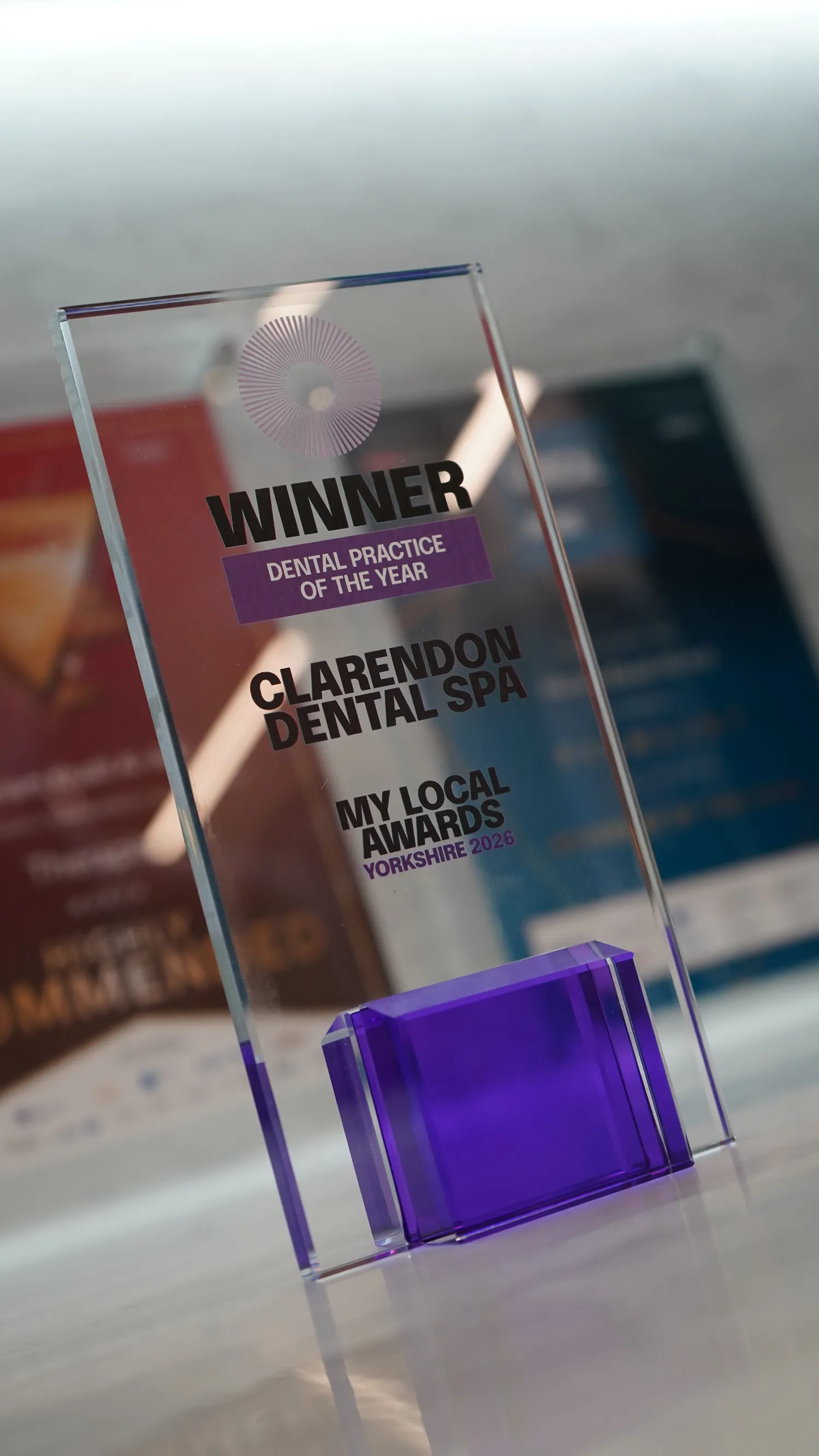
Clear glass award with a purple base reading Winner Dental Practice of the Year, Clarendon Dental Spa, My Local Awards Yorkshire 2026.

Why Patients Choose Us

5 star rating by 3,840+ patients

Voted by our own patients, Clarendon Dental Spa was named Practice of the Year 2026 for the Yorkshire region — a reflection of the care, skill, and warmth our team brings to every appointment.

Dentist wearing a hijab, face shield, mask, and gloves performing dental treatment on a patient.

Hygiene Appointments / leeds

Oral Hygiene Instructions

  • Oral hygiene instruction is one-to-one coaching from your hygienist or dentist, covering the techniques, tools and routines that will keep your teeth and gums healthy. It’s personalised to your specific mouth — what works for someone with straight teeth and healthy gums won’t be right for someone with crowding, gum recession or orthodontic appliances.

  • Typical topics include: proper brushing technique (angle, pressure, duration, motion); choosing the right toothbrush (manual vs electric, bristle hardness); interdental cleaning (when to use floss vs interdental brushes, correct technique); targeted advice for specific conditions (gum disease, sensitivity, orthodontic treatment); product recommendations (toothpaste, mouthwash, floss, brushes) tailored to your needs.

Dentist wearing a hijab, face shield, mask, and gloves performing dental treatment on a patient.

Periodontal Treatment / leeds

Healthy gums. Healthy you.

  • Periodontal treatment addresses gum disease — a common but serious condition where plaque bacteria cause inflammation, damage and eventually bone loss around teeth. Early-stage gum disease (gingivitis) causes redness, swelling and bleeding.

  • Advanced gum disease (periodontitis) involves deeper bacterial infection, formation of pockets between teeth and gums, and gradual destruction of the bone supporting teeth.

    Treatment typically involves deep cleaning below the gumline (called ‘scaling and root planing’) to remove hardened tartar and bacteria from root surfaces. Local anaesthetic keeps the procedure comfortable. Ongoing hygiene visits maintain the improvement and prevent recurrence.

Your questions about dental hygiene, answered

FAQs / Hygiene / Airflow treatment / leeds

Is Airflow safe around veneers, crowns and implants?

Yes — in fact it’s often preferred for these cases. The fine powder used for implants and restorations is specifically designed to be gentler than the standard erythritol powder. Airflow won’t damage porcelain restorations, veneers, crowns or implant surfaces when used with appropriate settings and powder. Our hygienists adjust the protocol based on the work in your mouth.

Can Airflow remove coffee and tea stains?

Yes — extremely effectively. Surface stains from coffee, tea, red wine, turmeric and tobacco are among the easiest things for Airflow to remove. Most patients leave with noticeably brighter teeth after a single session. It’s particularly good for patients who don’t want to whiten their teeth but would like to remove accumulated surface staining.

Does Airflow hurt?

No — most patients find it surprisingly comfortable, much more so than traditional hand-scaling. The sensation is a cool stream of air and water on the tooth surface. Some find the taste of the powder slightly unusual but not unpleasant. For sensitive teeth, Airflow can actually be gentler than traditional methods. Nervous patients usually find it transformative.

Is Airflow different from a regular scale and polish?

Yes, meaningfully. Scale and polish uses hand instruments and ultrasonic scalers to scrape away tartar. Airflow uses a jet of fine powder, air and water to clean the tooth surface and biofilm. It’s gentler, more comfortable, and more effective at removing the biofilm layer that causes gum disease. Modern hygiene typically combines both — Airflow for the main cleaning, targeted ultrasonic only for any stubborn tartar.

FAQs / Hygiene / Bad Breath Treatment / leeds

Is bad breath always caused by the mouth?

No — around 90% of cases have oral causes, but the remaining 10% stem from elsewhere: chronic sinusitis, tonsil stones, acid reflux, diabetes, kidney or liver disease, and certain medications can all contribute. As part of our assessment, we’ll identify whether your case is likely oral or systemic and refer you to the appropriate specialist if needed.

I brush twice a day — why do I still have bad breath?

Brushing alone doesn’t reach every area. Food and bacteria accumulate between teeth, below the gumline, and on the back of the tongue — all common bad breath sources. If you have gum disease, no amount of brushing will fix the problem without professional treatment. If you’re still experiencing persistent bad breath despite good hygiene, book a consultation — there’s likely a specific cause we can identify.

Will mouthwash fix bad breath?

Mouthwash typically masks bad breath temporarily rather than fixing it. The exception is medicated mouthwashes (containing chlorhexidine or similar) used as part of a treatment protocol — these can help reduce bacterial load during active treatment. Long-term, the goal is to address the cause, not just mask the symptom.

Can bad breath be cured completely?

In most cases, yes. Once the underlying cause is identified and treated, bad breath can be completely resolved. The key is proper diagnosis — too many patients waste years on mouthwashes and mints without addressing the root cause. Sometimes bad breath is a symptom of non-oral issues (digestion, respiratory) that we’ll help refer you to the right specialist for. But most cases have oral causes we can treat directly.

FAQs / Hygiene / Hygiene Appointments / Leeds

What’s the best mouthwash?

Depends on your needs. For most people with healthy mouths, mouthwash isn’t essential and shouldn’t replace brushing or flossing. For specific conditions: anti-bacterial mouthwashes (chlorhexidine) during active gum disease treatment; fluoride mouthwashes for high cavity risk; alcohol-free options for dry mouth. Avoid alcohol-containing mouthwashes for daily long-term use. We’ll recommend what’s right for you.

Do I really need to floss every day?

You need to clean between your teeth every day — whether with floss, interdental brushes or a water flosser. Brushing alone doesn’t reach the surfaces between teeth, which is where cavities and gum disease most commonly start. For many people, interdental brushes (‘TePe brushes’) are easier and more effective than traditional floss. We’ll recommend the right tool for your teeth.

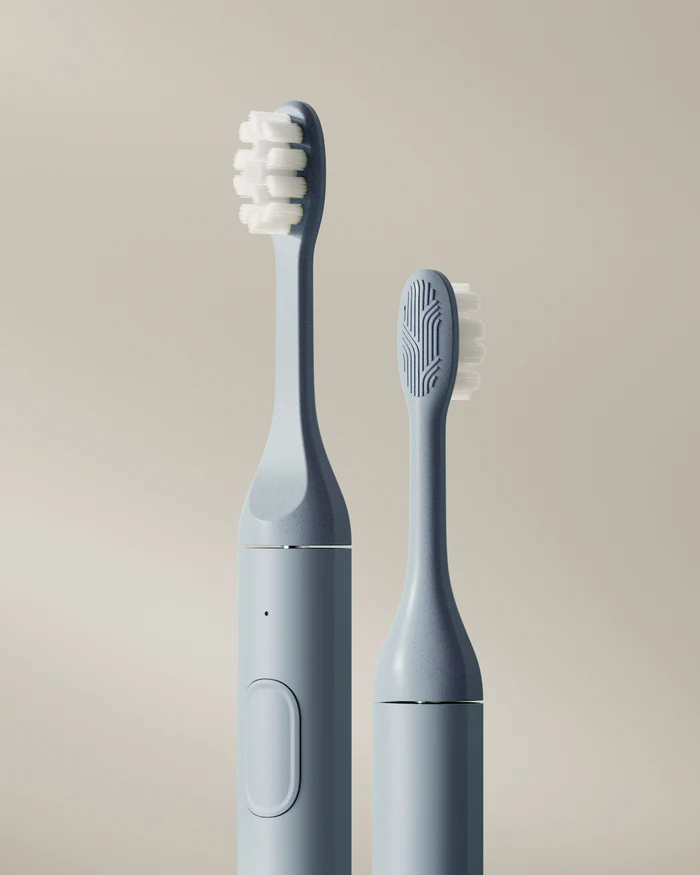
Electric vs manual toothbrush — what’s better?

For most people, a good electric brush (oscillating-rotating or sonic) achieves better plaque removal than a manual brush — partly because it does the motion for you, partly because of timers and pressure sensors. That said, a manual brush used with excellent technique is perfectly effective. We’ll recommend specific products based on your needs, budget and dexterity.

I’ve been brushing my whole life — what could possibly be wrong?

More than you’d think. Common issues we see: brushing too hard (damages enamel and gums); using a hard or worn brush; scrubbing sideways rather than using circular motions; missing the gumline area (where plaque causes most harm); brushing immediately after acidic foods (damages softened enamel); not reaching the inside surfaces of back teeth; and neglecting the tongue. Most people have 2–3 of these issues without realising. Disclosing tablets make the missing spots visible instantly.

FAQs / Hygiene / Periodontal Treatment / Leeds

How can I prevent gum disease returning?

Excellent daily home care is essential — proper brushing technique (twice daily, 2 minutes, soft brush), interdental cleaning (brushes or floss daily), and potentially a medicated mouthwash during high-risk periods. Regular professional hygiene visits (typically every 3–4 months for post-periodontal patients) remove buildup you can’t reach yourself. Quitting smoking dramatically reduces risk. Managing underlying conditions like diabetes also helps.

Can gum disease be cured?

Early gingivitis can be completely reversed with proper treatment and improved home care. Advanced periodontitis can be stabilised and prevented from progressing, but bone loss that has already occurred cannot be reversed. The key is to catch and treat gum disease early — which is why regular check-ups and hygiene visits matter so much. Once treated, ongoing maintenance prevents recurrence.

Is periodontal treatment painful?

Deep cleaning below the gumline can cause some discomfort, which is why local anaesthetic is used throughout. During treatment, you’ll feel pressure but not pain. Some tenderness for 1–2 days afterwards is normal and easily managed with over-the-counter painkillers. For nervous patients, sedation is available. Most patients report the procedure is far less unpleasant than they expected.

How do I know if I have gum disease?

The most common signs are bleeding gums (especially when brushing or flossing), red or swollen gums, bad breath that doesn’t resolve, gum recession (teeth looking longer), and in advanced cases, loose teeth or pus. Many early cases have no obvious symptoms — which is why regular check-ups and professional charting are essential. If you’re concerned, book an appointment for a proper assessment.

Two bamboo toothbrushes and a green fern leaf on a wooden dish, surrounded by tropical leaves and a paper bag on a peach background.

discover our award winning clinic

Visit Clarendons