Next
Next

From £230 per tooth
Edge bonding from £230 · full bonding from £275 · *0%APR Finance available over 12 months, longer terms also offered interest-bearing. (*subject to affordability, age and status. Minimum spend applies)
e.g. 6 teeth from £1,595 — from £73 per month over 24 months
Composite bonding at Clarendon Dental Spa in Leeds repairs chips, closes gaps and reshapes teeth by hand-sculpting tooth-coloured resin onto your teeth in a single visit, with no drilling — and it's backed by our 12-month structural guarantee.
No drilling, no injections, and none of your natural tooth removed — composite bonding is one of the most conservative ways to transform a smile. Our cosmetic dentists build up and hand-finish the resin by eye, tooth by tooth, so the result looks natural rather than 'done' and blends with the teeth around it, with most cases completed in a single appointment.
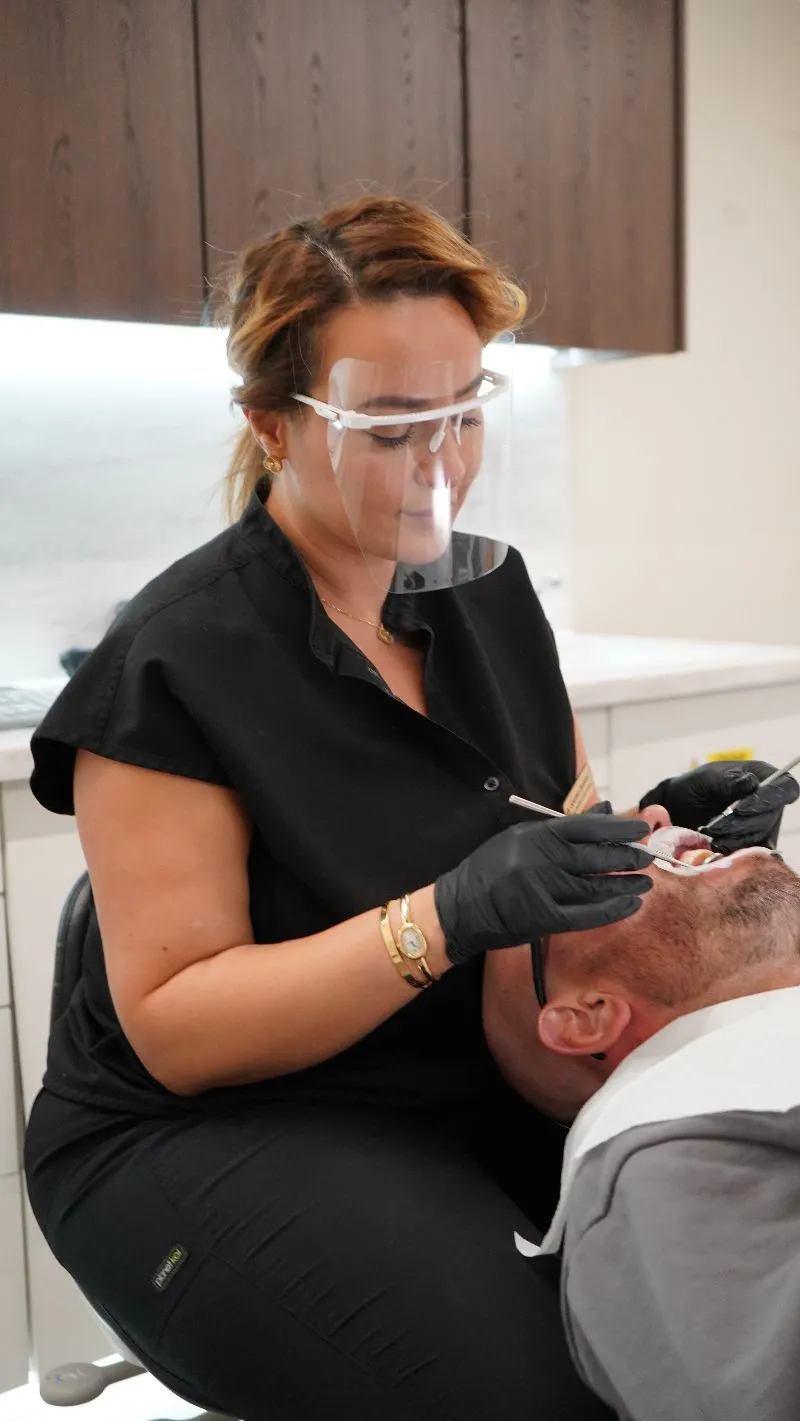
Composite bonding uses tooth-coloured resin, sculpted and polished by hand, to repair chips, close small gaps and reshape teeth, all in a single appointment and, in most cases, with no drilling and no needles. At Clarendon Dental Spa in Leeds, our dentists colour-match the composite to your natural teeth for a seamless, natural-looking result.
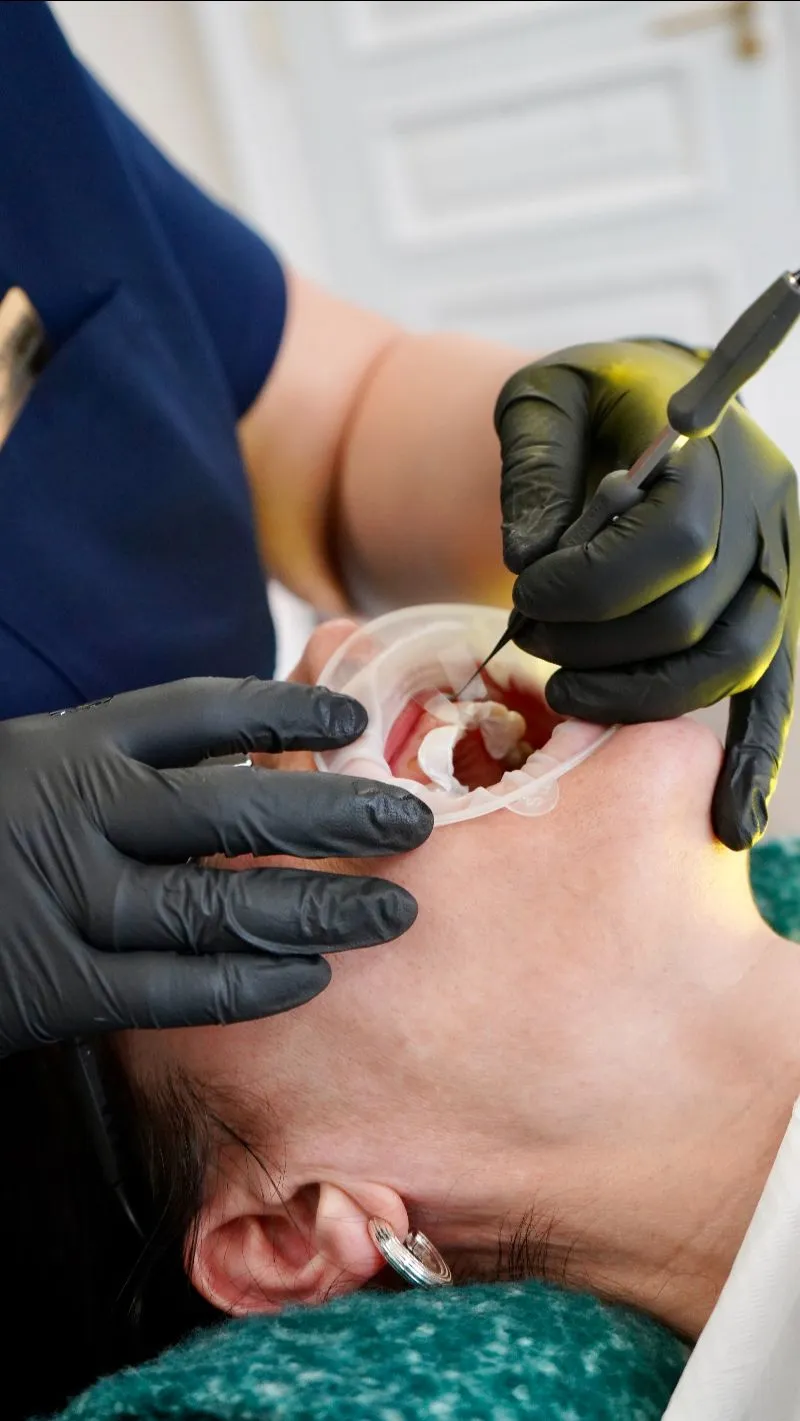
Outstanding cosmetic results need both technical precision and an artistic eye, and that combination sits at the heart of how we work. Our experienced clinicians use advanced composite materials and meticulous smile design to create natural-looking enhancements tailored to each patient. Whether you want to repair a chipped tooth, close gaps, improve symmetry or achieve a complete smile transformation, our team focuses on results that complement your facial features and preserve your natural teeth wherever possible. We take real pride in cosmetic dentistry that looks good for the long term, functions well and leaves patients genuinely happy.
We also offer free smile consultations, so you can explore your composite bonding options with complete confidence. It is a relaxed, no-obligation appointment where we assess your teeth, talk through what you would like to improve, and guide you towards the treatments that can help you reach your ideal result.
Your treatment is overseen by Dr Ahmed Al-Ani (GDC 83548), a full member of the British Academy of Cosmetic Dentistry with an MSc in Restorative & Aesthetic Dentistry (Merit, University of Manchester) — so your composite bonding is planned and reviewed by a clinician whose focus is cosmetic dentistry.
Show more
Show less
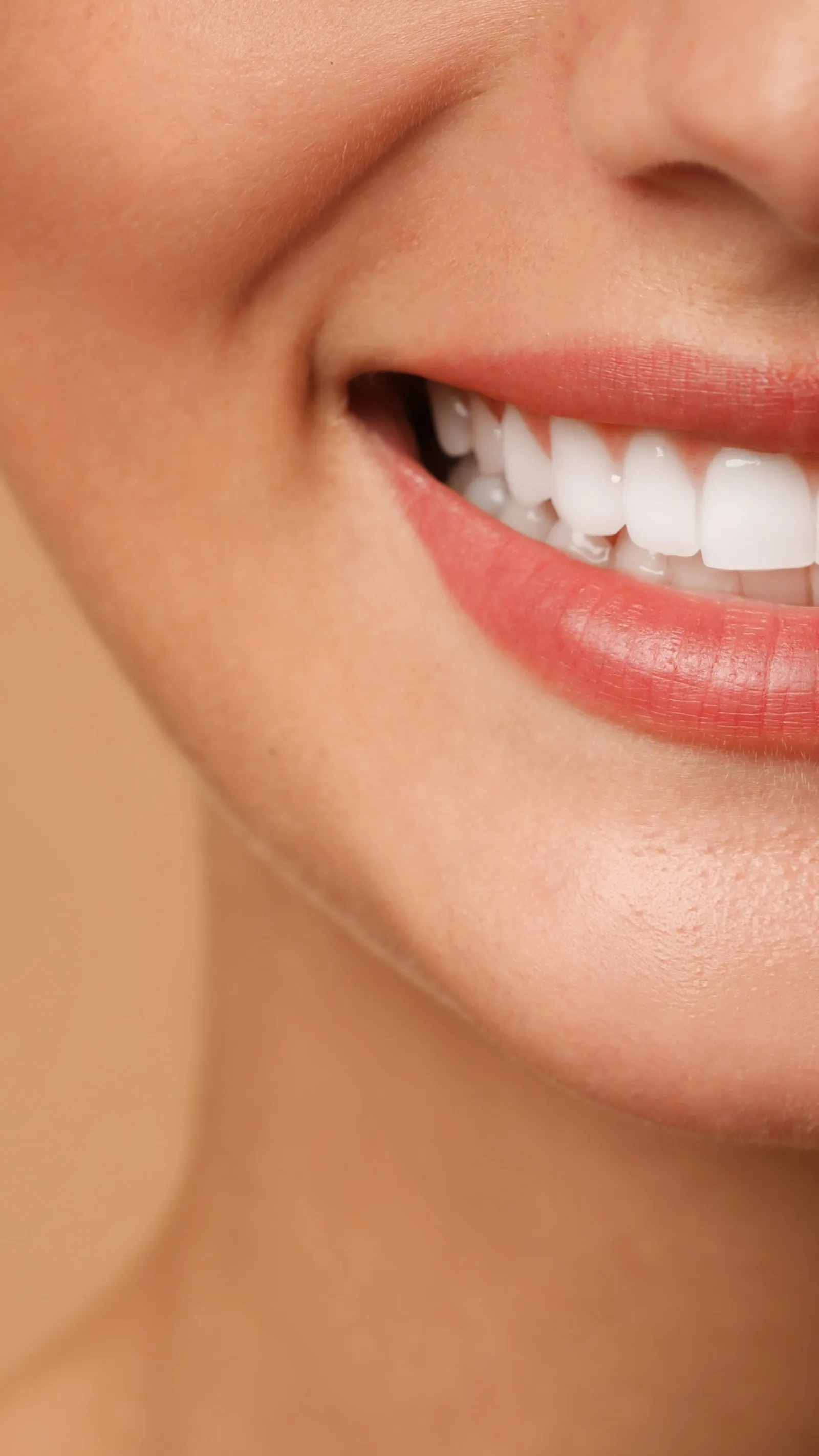
Great composite bonding isn’t just colour-matching. It starts by making sure your gums and teeth are healthy — bonding placed on an unhealthy foundation won’t last, so if needed we’ll arrange a hygienist visit or treat gum disease first. From there it’s about understanding your bite (occlusion) so the bonding doesn’t chip, finishing the margins so your gums stay healthy, and reviewing the result properly afterwards. Our bonding is planned and clinically reviewed by Dr Ahmed Al-Ani, whose postgraduate training is in restorative and aesthetic dentistry.
Here’s how we make sure your bonding lasts and looks right.
Free smile consultation to plan your bonding with no obligation.
We can create a 3D diagnostic wax-up / model so you can see the proposed result before we begin.
Laser gum contouring where it helps — where the gum line is uneven or sits low over the teeth, we can gently reshape it with a dental laser so your bonded teeth look balanced and well-proportioned. Whether it is needed is assessed as part of your consultation.
Every patient is reviewed free at 1–2 weeks for polishing, refinement and any concerns or niggles — with contouring included free of charge if needed.
Show more
Show less
Bonding that ignores how your teeth meet is bonding that chips. We assess your occlusion — how the upper and lower teeth come together in every movement — and build the bonding to work with your bite, not against it. Getting this right is one of the biggest reasons our bonding stays intact rather than breaking away.
Where the resin meets your natural tooth, the margin must be smooth and precise — no ledges or overhangs. Rough or bulky margins trap plaque and inflame the gums; refined margins keep the gum line healthy and the bonding invisible. We finish and polish every margin meticulously.
We invite every patient back at 1–2 weeks, free of charge, to polish and refine the bonding and address anything at all — including free contouring if needed. It’s how we make sure the final result is exactly right, not just good on the day.
Both composite bonding and porcelain veneers can create beautiful, natural-looking smile transformations, but they work in different ways and suit different goals. Understanding how they differ helps you choose the treatment that fits your aesthetic expectations, your long-term plans and your budget.
Composite bonding is a minimally invasive, often reversible cosmetic treatment that is ideal for subtle improvements. A tooth-coloured resin is artistically sculpted onto the teeth to correct issues such as small chips, minor gaps, uneven edges or slight discolouration.
Show more
Show less
How invasive each option is:
Bonding — usually no drilling or anaesthetic required.
Veneers — typically involve preparation, impressions and fitting.
What the appointments involve:
Bonding — most cases completed in one appointment.
Veneers — usually take 2 to 3 visits to complete.
How long each typically lasts:
Bonding — typically lasts 4 to 8 years.
Veneers — often lasts 10 to 15 years.
Nano-composite materials and traditional composite resins are both designed to blend naturally with your teeth, but they behave differently once they are in the mouth. Each has its own strengths in appearance, durability and long-term performance, and the best choice depends on which tooth is being treated. The short version is simple: nano-composites tend to win on looks and polish, which makes them ideal for visible front teeth, while stronger non-nano hybrids are often the better pick for large, load-bearing fillings at the back. A good dentist matches the material to the job.
Here is how the two compare in plain English:
• Polish and appearance: nano-composites keep a high-gloss, enamel-like shine over time, whereas non-nano materials tend to roughen and stain as their larger particles wear away. Nano wins for front teeth.
• Everyday wear: nano-composites wear down smoothly and evenly at a microscopic level, while non-nano materials can lose larger particles and leave a slightly cratered surface. Nano wins again.
• Strength under heavy bite force: non-nano hybrids are very resistant to chipping because their larger glass particles help block cracks from spreading, while nano-composites can be more brittle under heavy load. Non-nano wins for big molar fillings.
• How it is placed: nano-composites are built up in careful 2mm layers, whereas some non-nano bulk-fill materials can be placed in deeper 4 to 5mm increments.
Show more
Show less
For visible front teeth, nano-composites are usually the better choice. They hold a high-gloss, enamel-like shine and wear down evenly, so your smile stays smooth and natural-looking for longer.
For larger fillings in the back teeth, stronger non-nano hybrid materials often make more sense. Their larger glass particles resist chipping and help block cracks from spreading under the heavy forces of chewing.
Nano-composites give the best long-term polish and even wear, while non-nano materials offer greater fracture resistance for heavy-load areas. Choosing the right one comes down to where the tooth sits and how much force it takes, which is exactly what we assess for you.
Composite bonding uses the same tooth-coloured resin family used for white fillings, so patients often ask about swapping old silver amalgam fillings at the same time. Replacing metal fillings is a restorative treatment rather than cosmetic front-tooth bonding, so we cover it fully — the benefits, the mercury-free materials and how long they last — on our white fillings and restorations in Leeds page.
Every new bonding case includes a free 1–2 week review to polish and perfect the finish. Beyond that, composite bonding can be refreshed, repaired or completely re-done whenever it starts to show signs of wear. Over time bonding may chip, dull or pick up some surface staining, but it is one of the easiest cosmetic treatments to maintain. We offer dedicated appointments for chip repairs, polishing and full bonding refreshes to keep your smile looking its best — whether you need a quick touch-up or a complete update, we can restore the shape, smoothness and brightness of your bonding with minimal fuss.
A bonding refresh restores the smoothness and shine of your composite when it starts to look dull or slightly stained. This quick appointment involves polishing and re-sealing the resin so your smile stays bright and natural-looking.
If your bonding becomes chipped or worn, we offer fast repair appointments to rebuild and reshape the affected area. The new resin blends seamlessly with your existing bonding, keeping your smile neat and well-maintained.
All our composite bonding is guaranteed for 12 months. If anything chips or wears within that time, we'll put it right. With good everyday care, bonding typically lasts around 4–8 years before it needs redoing — and we'll always give you honest advice on whether a quick repair or a fuller refresh is the better option.
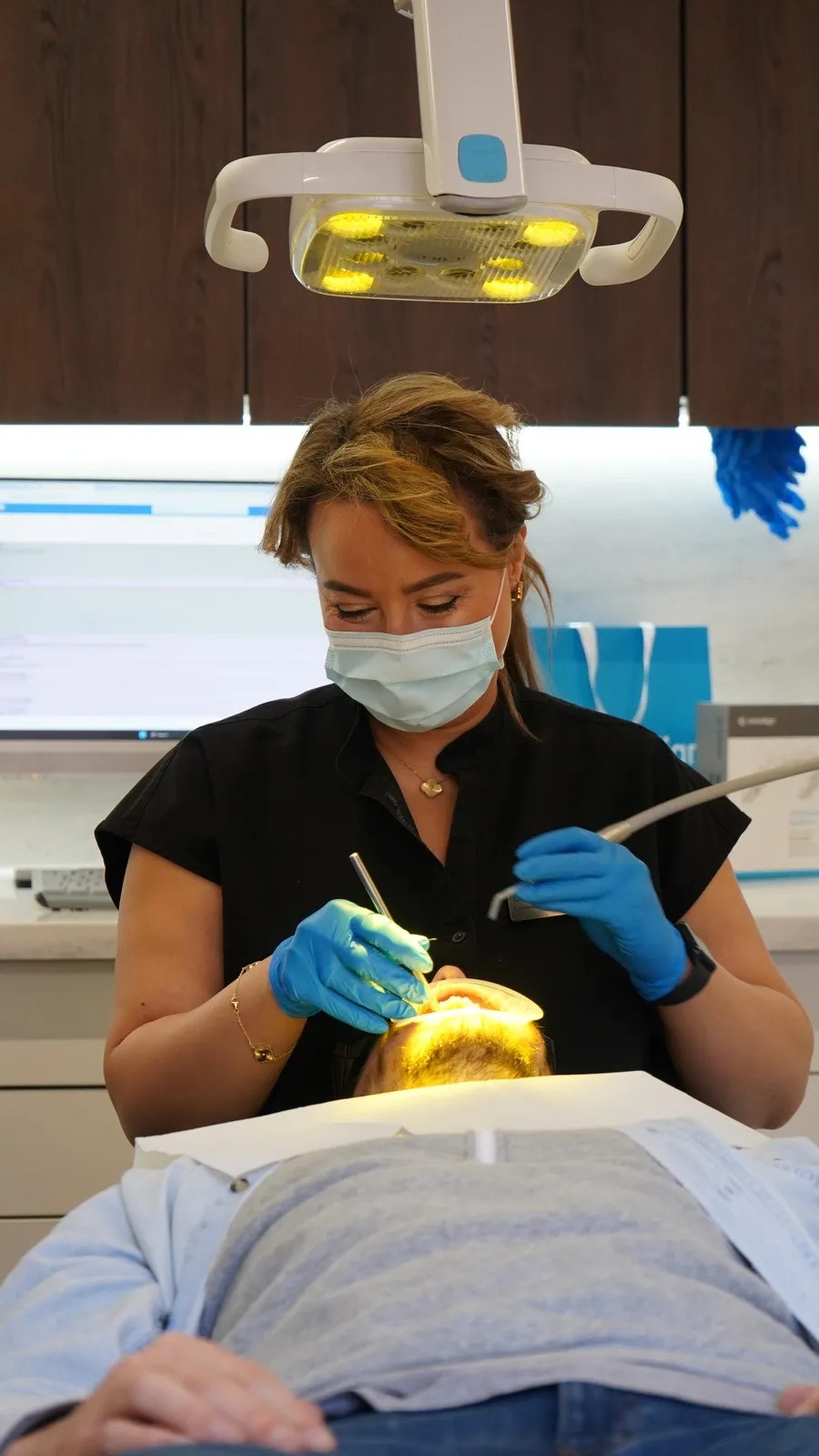
Composite bonding at Clarendon is priced per tooth, with transparent multi-tooth smile packages and a lower-cost edge bonding option — so you can choose the level of treatment your smile actually needs.
Edge bonding — from £230 per tooth. For teeth that only need the biting edges refined — small chips, slightly uneven or worn edges — edge bonding is a more affordable, minimal option where full-surface bonding isn't needed. It's one of the lowest edge bonding prices in Leeds.
Full composite bonding — from £275 per tooth (uniform) or £325 per tooth (characterised). See the section below on why characterised bonding costs a little more.
Uniform bonding smile packages (from £275 per tooth):
6 teeth (“the social six”) — £1,595.
8 teeth — £2,095.
10 teeth (full smile) — £2,595, with free professional teeth whitening included.
Characterised bonding smile packages (from £325 per tooth):
6 teeth — £1,895.
8 teeth — £2,495.
10 teeth (full smile) — £3,095, with free professional teeth whitening included.
Because composite bonding is matched to your current tooth shade, we whiten first so your new smile is built to a brighter baseline — which is why whitening is included free on full smiles of 10 teeth or more. * 0%APR finance is available (*subject to affordability, age and status. Minimum spend applies)
Show more
Show less
Just finished braces or Invisalign? Edge bonding is a popular finishing touch — it refines the edges and evens out your newly straightened teeth for a polished, symmetrical result. We often whiten first, then bond, so your new smile is matched to a brighter shade.
Every package includes your smile design consultation, the composite bonding itself, shade matching, final polish and aftercare guidance. Full smiles of 10+ teeth also include free professional whitening beforehand.
0% interest-free credit is available over 24 months, with longer terms also available (interest may apply). For example, a 6-tooth uniform bonding package works out from around £66 per month over 24 months.
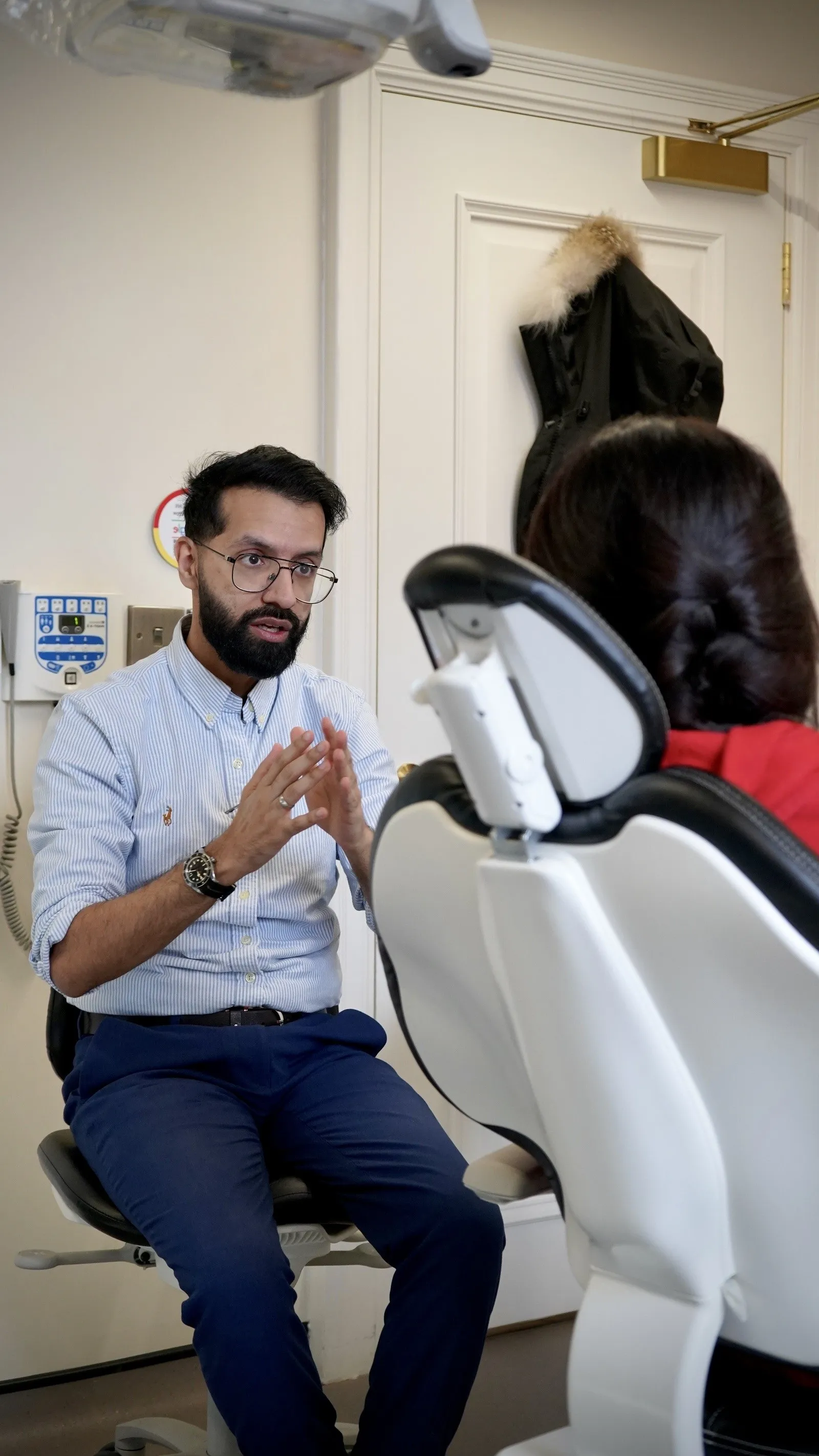
Edge bonding — from £230 per tooth. Our most affordable option, for refining just the biting edges of teeth with small chips, wear or slightly uneven edges — where full-surface bonding isn't needed.
There's a real difference between basic and artistic composite bonding, and it's worth understanding before you compare prices.
Uniform bonding — from £275 per tooth. Building up a tooth in a single, even shade is relatively straightforward. It's a good, affordable option for reshaping or closing gaps where a clean, consistent colour is all that's needed.
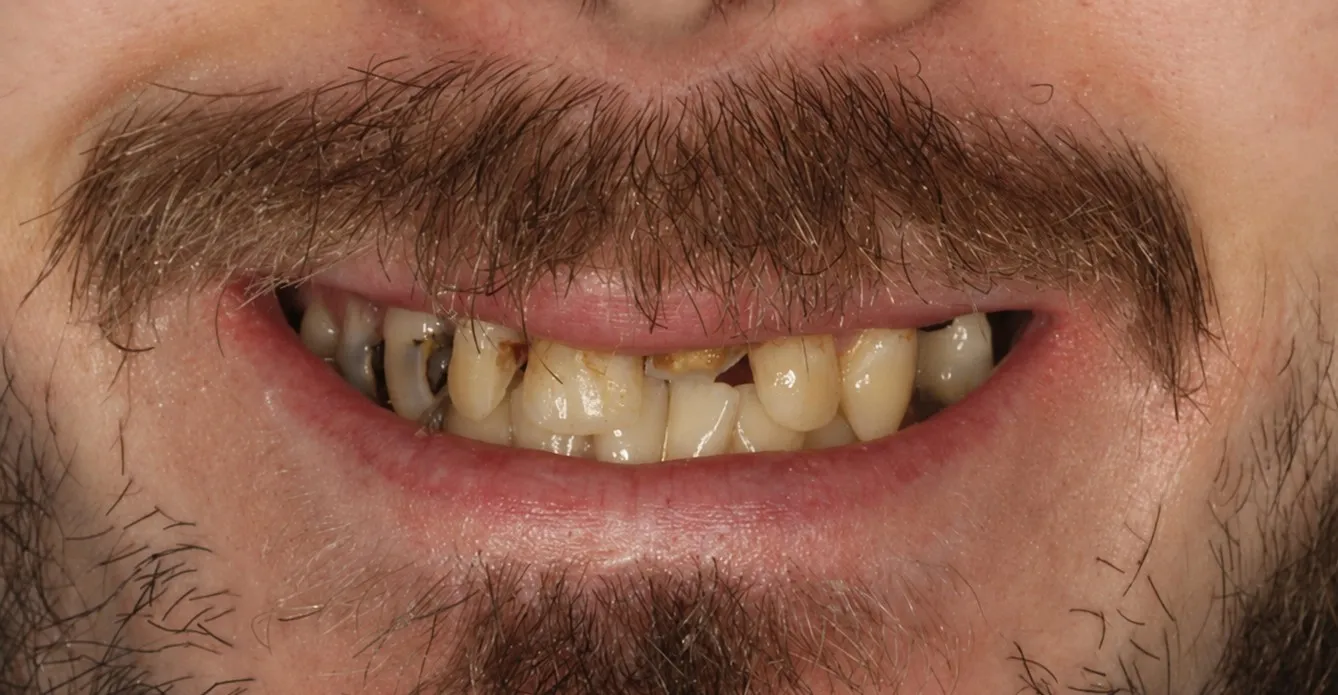
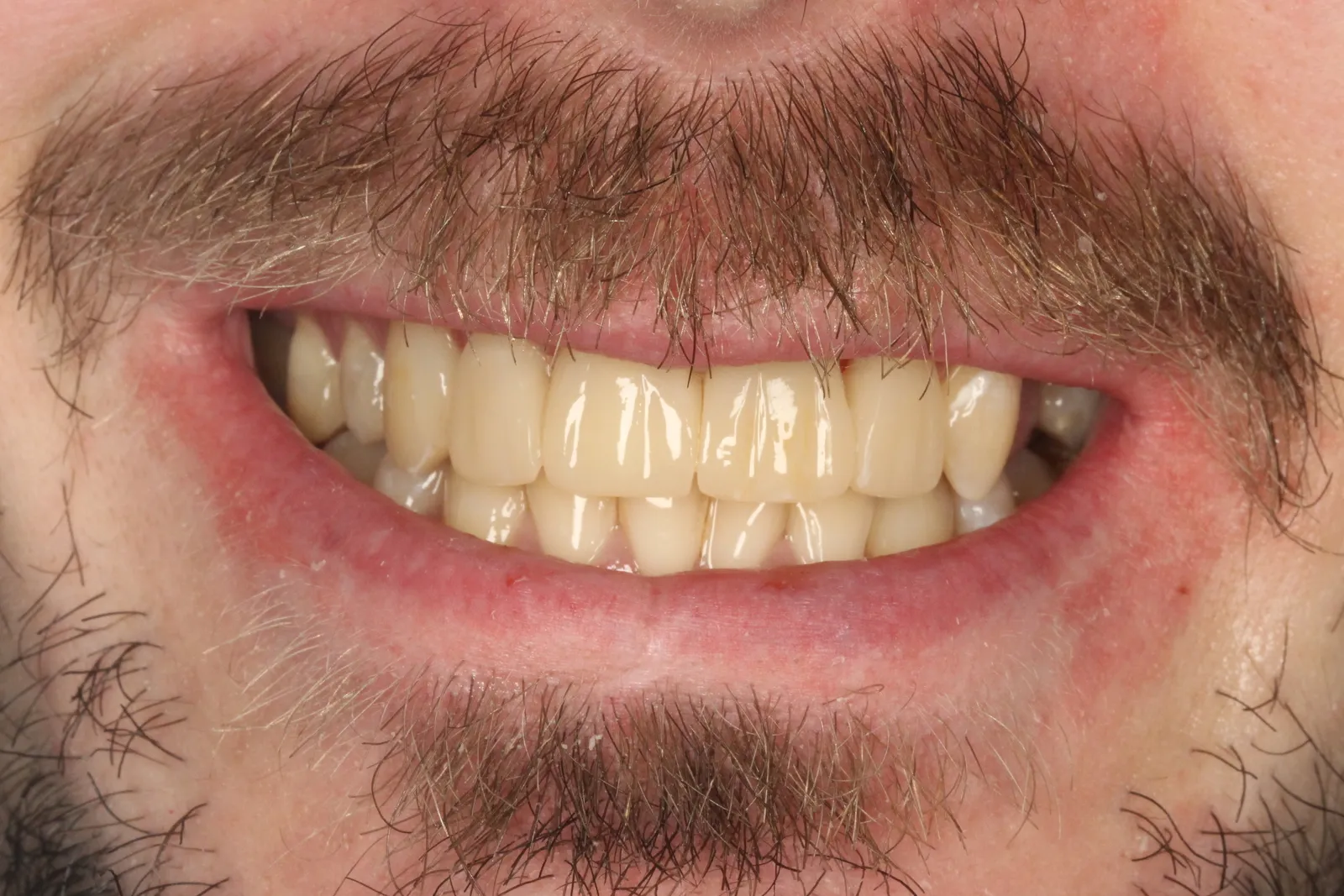
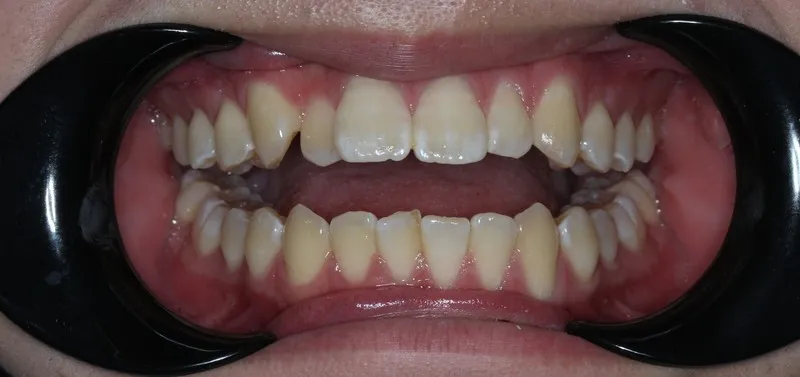
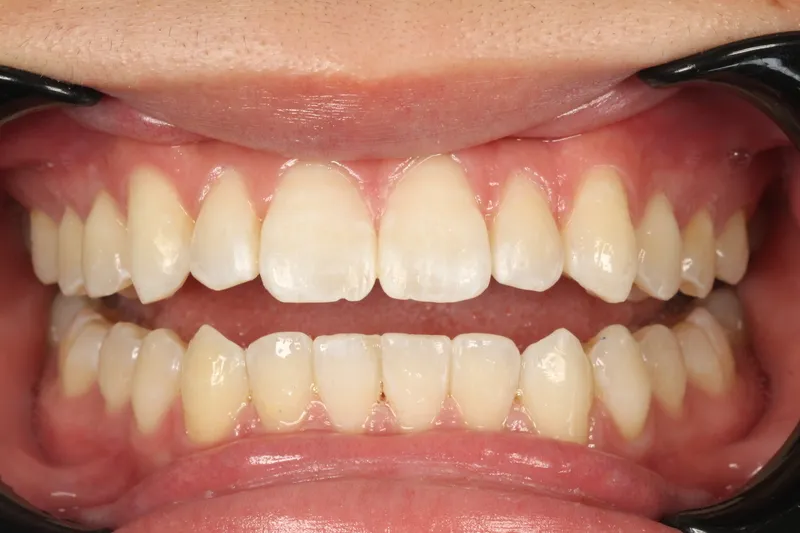
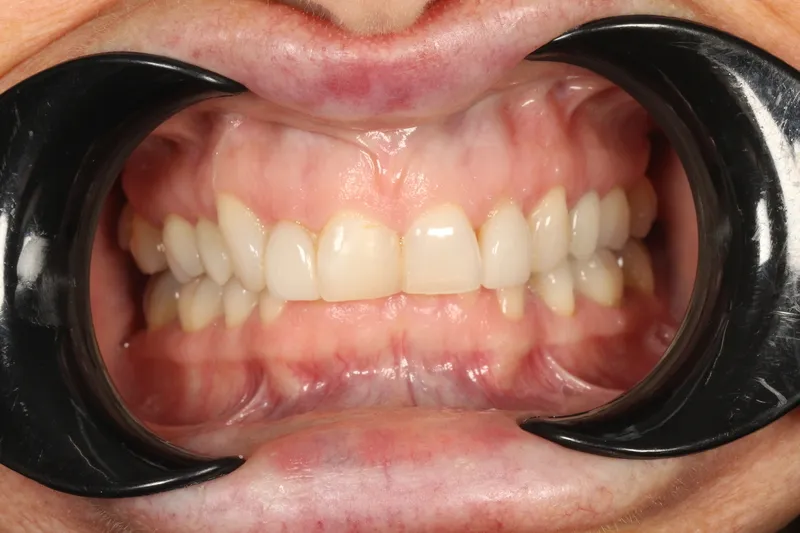
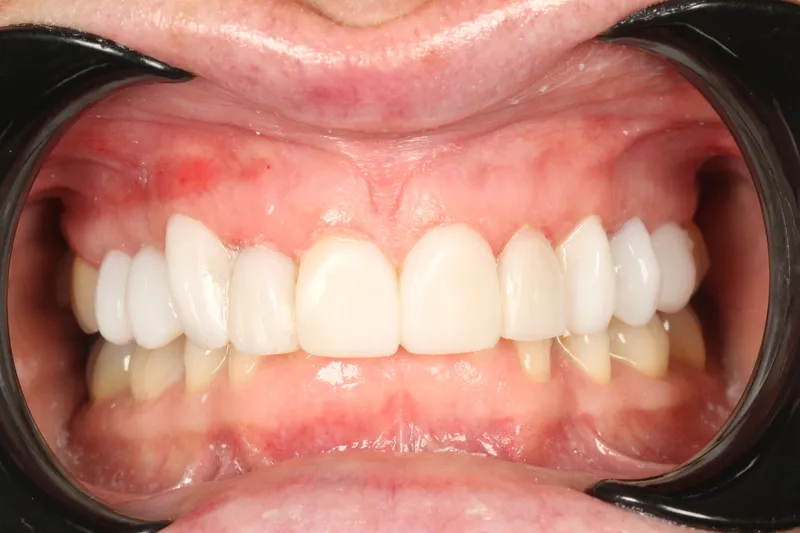
Characterised bonding — from £325 per tooth. This is where genuine artistry comes in. If you've broken a front tooth, simply matching the colour isn't enough — a natural tooth has subtle translucencies at the edge, fine surface grooves, and delicate internal stains and tints. To rebuild a tooth so it disappears seamlessly among its neighbours, we hand-layer multiple shades and recreate those tiny natural characteristics. Done well, no one can tell which tooth was repaired. It takes a trained eye and considerable skill — and it's work we genuinely take pride in at Clarendon.

THE BRAND PATIENTS TRUST
Dr Soumia Djebbar did some cosmetic work on my quite badly chipped front tooth. She did a fantastic job and it looks great again. So happy.
Stuart Smith
I recently had a cosmetic composite veneer placed by Dr Soumia Djebbar. I am absolutely delighted with the results, my tooth looks like new, her attention to detail was exceptional.
Catherine Crooks
I finished my Invisalign treatment with Soumia yesterday and wow the results are amazing! I had composite bonding on some teeth for a perfect smile. She is so talented.
Megan Knowles
I highly recommend Dr. Soumia Djebbar to anyone looking for a smile transformation. I am absolutely thrilled with the results of my 18-month journey. She was brilliant throughout, explaining each stage clearly and ensuring I was happy.
Zac Wilson
I had my 6 month smile done here by Dr.Ahmed and I am overwhelmed with the results. He was very good and always made sure I was happy with the progress and the end result. The surgery were very helpful and always managed to fit me in for any emergency appointments I needed. I cant thank Dr.Ahmed enough for my life changing results, I'd definitely recommend to a friend!
Alex Bundy
Dr Ahmed Al-Ani is amazing! I cannot rate him enough... results better than expected. I wanted very natural composite bonding just front 2 teeth and he did a fantastic job, professional and friendly attitude and great clinic/staff all round - thank you so much
Ayesha Khan
My dentist Ahmed Al-Ani was an amazing dentist, he made my experience so comfortable and had my best interest for safety when it came to my composite bonding. He did an amazing job my teeth feel and look amazing!! The dentist overall is gorgeous and kept very clean.
Aleenah Asghar
“I recently had some veneers fitted by Dr Ahmed Al-Ani … I’m so pleased with the results and would like to give a huge heartfelt thank you to Ahmed and his assistants, for making a big difference to my life”
Isma Rafiq
“I have recently had some veneers and I cannot fault the dentist and nurse … I’m extremely happy with the results as it has truly given me so much more confidence in smiling”
Sarah Mcclintock
Dr Ahmed Al-Ani
July 4, 2026