Next
Next

From £2,750
*0%APR Finance available over 12 months, longer terms also offered. (*subject to affordability, age and status. Minimum spend applies)
or from as little as £115 per month over 24 months
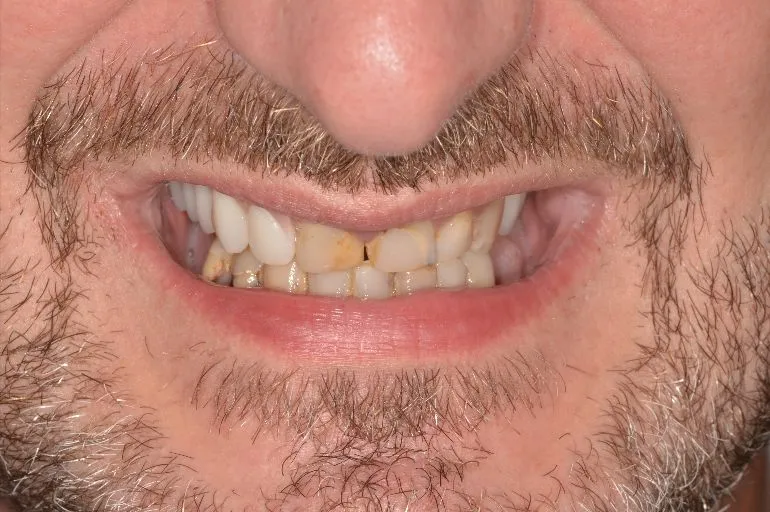
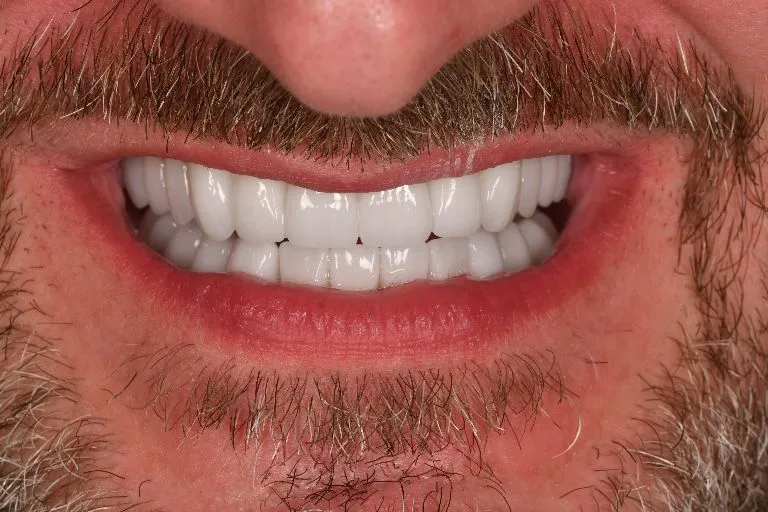
Dental implants at Clarendon Dental Spa in Leeds are titanium roots surgically placed into the jaw to support a crown, bridge or denture, providing a permanent, natural-looking and long-lasting solution for missing teeth.
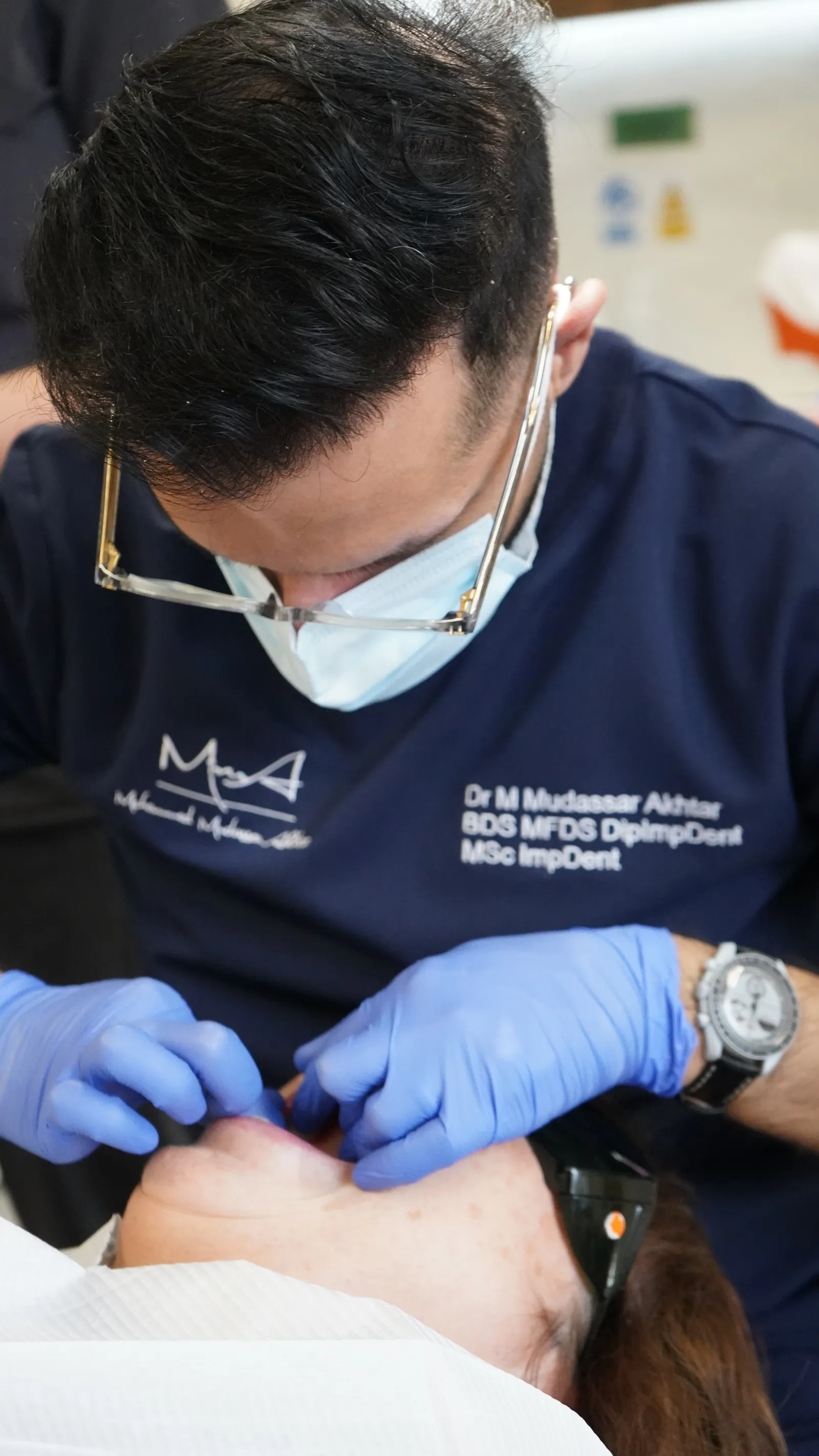
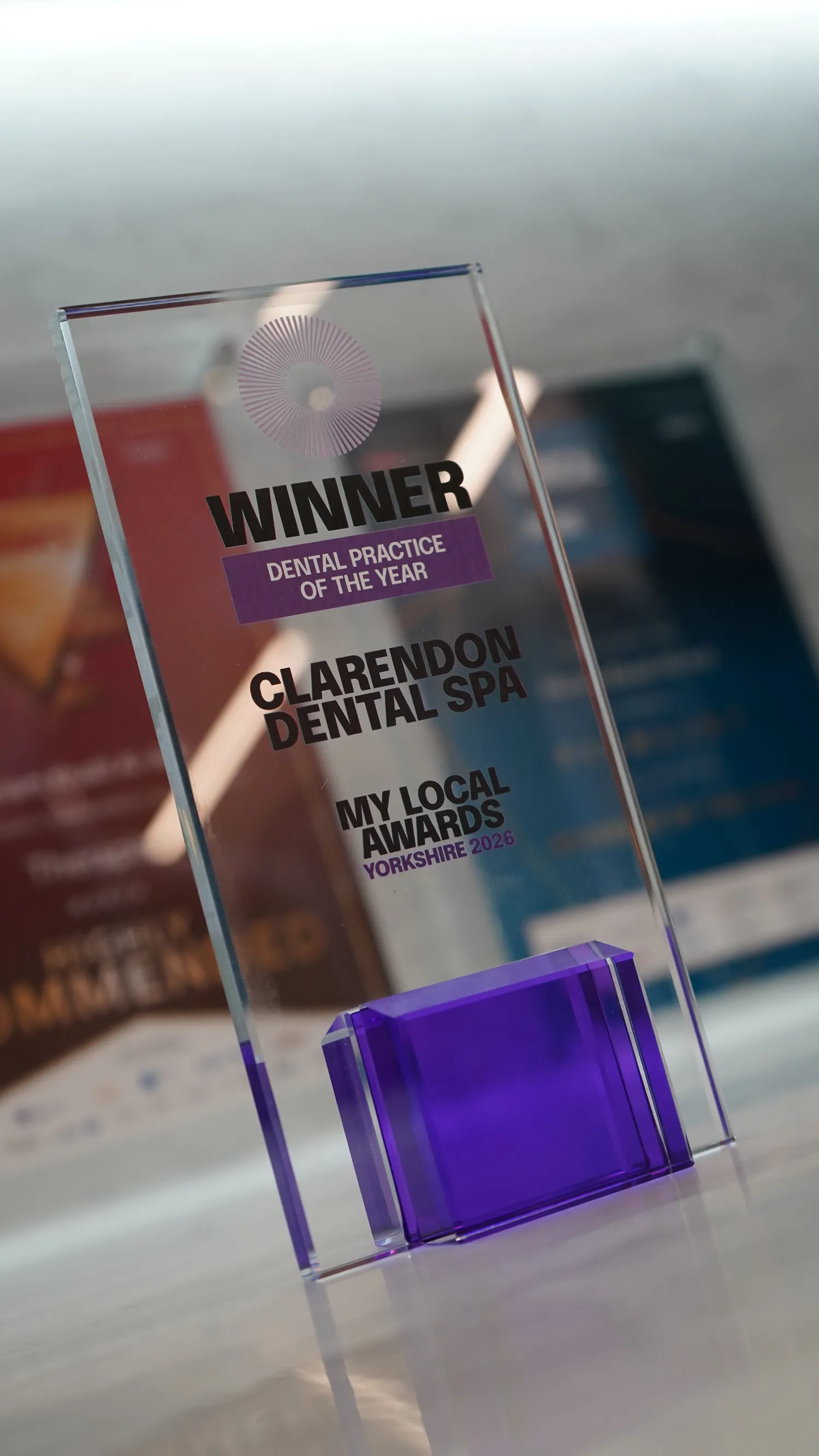
Implant treatment at Clarendon is planned and delivered by Dr Mohammed M Akhtar (GDC 252823), using advanced 3D CBCT scanning and precise surgical planning so the placement, function and long-term stability of your implant are right the first time. Voted Dental Practice of the Year 2026 by real patients.
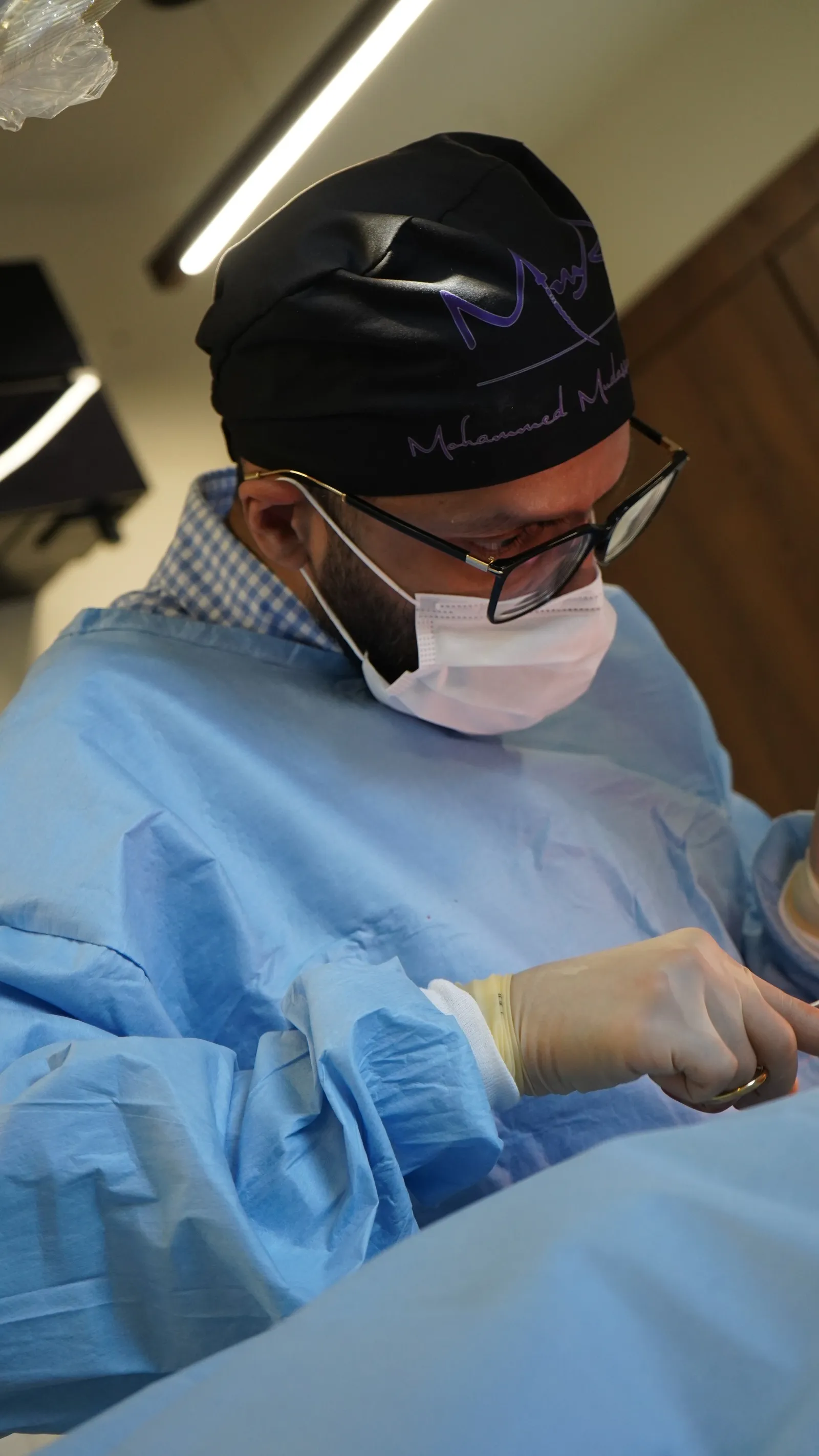
When a tooth is lost, it's important to choose a replacement that restores both function and appearance while protecting the health of your jaw. Dental implants are the closest thing to natural teeth — a small titanium post replaces the root and supports a natural-looking crown, bridge or denture, so you can eat, smile and speak with confidence.
At Clarendon Dental Spa in Leeds, implant treatment is led by our experienced implant team and planned with 3D CBCT imaging for precision and safety. Because an implant replaces the tooth root, it also stimulates the jawbone and helps prevent the bone loss that follows tooth loss — something bridges and dentures can't do. Well-maintained implants can last for decades, and in many cases a lifetime. We'll always talk you through every option honestly, so you can choose what's right for you.
Show more
Show less
Dental implants are designed to blend seamlessly with your existing teeth, giving a natural-looking smile and the confidence that comes with it.
With proper care and regular check-ups, implants provide a long-lasting solution — in most cases the most durable option for replacing missing teeth.
Because implants are securely anchored into the jawbone, they're stable when eating and speaking — with none of the movement or irritation that can come with dentures.
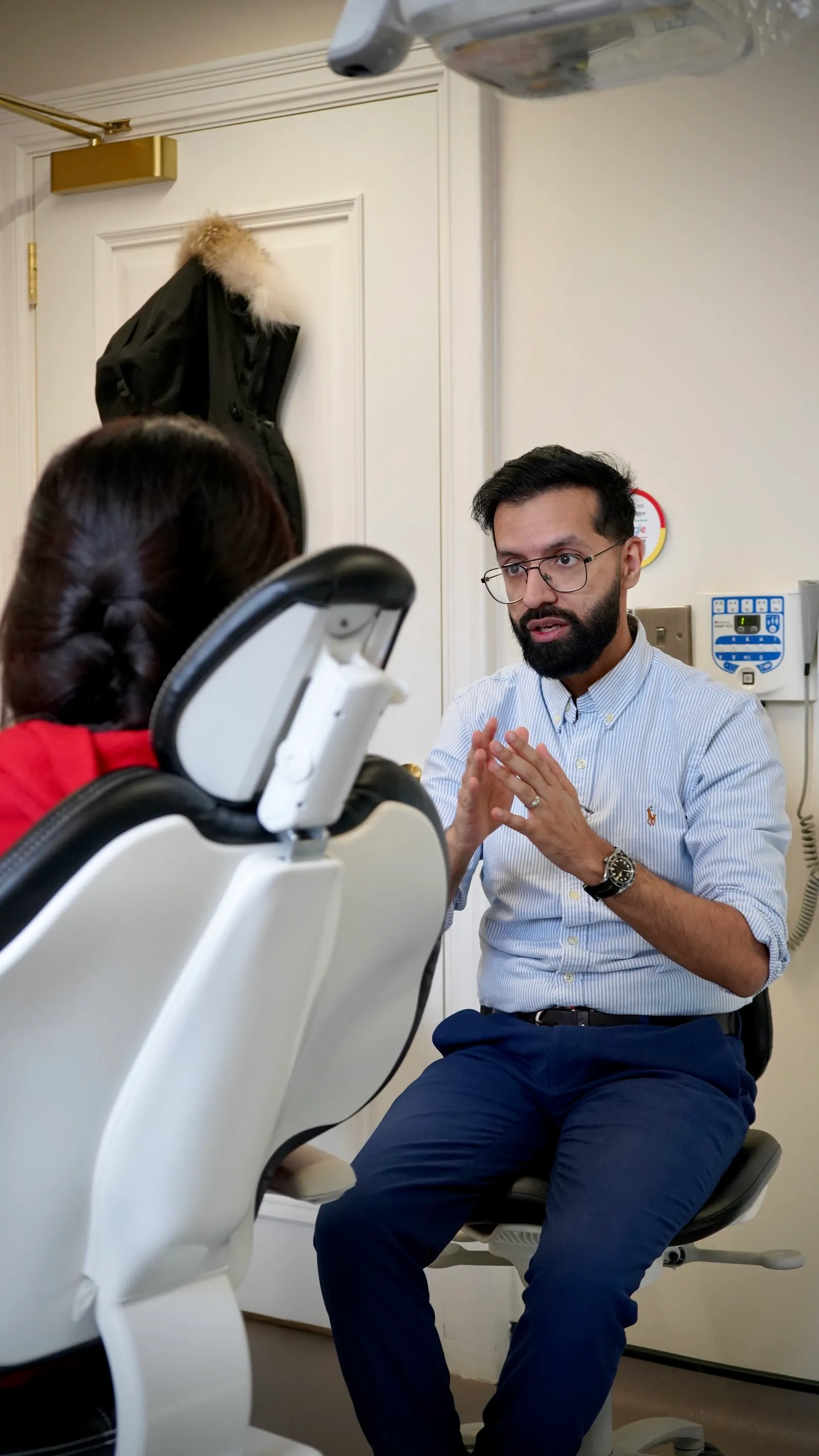
If you have one or more missing teeth, the main options are implants, bridges or dentures — and the right choice depends on how many teeth are missing, the health of your jawbone, and what matters most to you. We help you compare cost, longevity, comfort and appearance so you can make a confident, well-informed decision.
Implants are the only option that replaces the tooth root, which is why they preserve the jawbone and tend to last the longest. Bridges can be a good fixed solution where neighbouring teeth would benefit from crowns, and modern dentures remain a sensible, affordable choice for some patients — especially when stabilised with implants. There's no single 'best' answer for everyone, so we'll set out the genuine pros and cons of each for your particular situation, with no pressure either way.
Show more
Show less
The longest-lasting option and the only one that replaces the root and preserves the jawbone. Ideal for one tooth, several teeth, or a full arch.
A fixed solution that fills the gap using the neighbouring teeth for support — a good choice in the right circumstances, fitted more quickly than implants.
A removable, affordable way to replace several or all missing teeth — and far more stable when clipped onto a small number of implants.
A single dental implant replaces one missing tooth with a titanium post and a natural-looking crown — without touching the healthy teeth on either side. It's the closest thing to growing a new tooth, and for a single gap it's usually the best long-term option.
Unlike a conventional bridge, a single implant doesn't require drilling down the neighbouring teeth for support, so your healthy teeth stay intact. The implant is placed into the jawbone where it fuses over a few months, then a custom crown is fitted on top — matched to the shape and shade of your natural teeth. Because it replaces the root, it also preserves the bone and keeps the surrounding teeth from drifting into the gap. With good care it can last for decades.
Show more
Show less
A single implant stands on its own — no need to drill down the healthy teeth either side, as a traditional bridge would require.
The crown is matched to the shape and shade of your own teeth, and because it's anchored in bone it's stable when eating and speaking.
Replacing the root keeps the jawbone stimulated and stops the neighbouring teeth drifting into the gap.
Same-day teeth means having failing or missing teeth replaced with a fixed set on implants in a single day — so you never have to leave without teeth. It's most often delivered as a full-arch solution like All-on-4, with temporary fixed teeth fitted at the same appointment as your implant surgery.
On the day, any remaining failing teeth are removed, the implants are placed, and a temporary fixed bridge is fitted straight away — so you walk out with a complete, natural-looking smile. Your permanent bridge is fitted later, once the implants have fully integrated with the bone. It's a carefully planned, technically demanding procedure, which is exactly why detailed CBCT planning and an experienced implant team matter so much. For the right patient, it's genuinely life-changing.
Show more
Show less
Temporary fixed teeth are fitted the same day as surgery, so you leave with a complete smile — no gap, no awkward healing period without teeth.
Same-day teeth rely on precise CBCT planning and an experienced implant team — the placement and angle of every implant is critical to the result.
Your final, permanent bridge is fitted once the implants have fully fused with the bone, typically over the following months.
All-on-4 replaces a full arch of missing teeth with a fixed bridge supported by just four implants — often with temporary fixed teeth fitted the same day, so you never leave without teeth. It's a life-changing option for anyone facing the loss of all their teeth or struggling with loose, uncomfortable dentures.
All-on-4 is a technically demanding procedure that needs specialist surgical and restorative expertise — the angle and position of each implant is critical. The angled rear implants are placed in areas of better bone, which means many patients who'd otherwise need extensive bone grafting can avoid it. The result is a fixed set of teeth that lets you eat, speak and smile with confidence, built to last for years.
Show more
Show less
Temporary fixed teeth are fitted the same day as implant surgery — you'll never leave without teeth, and there's no awkward healing period without them.
The angled rear implants allow placement in areas of better bone, so many patients who'd need extensive grafting for individual implants can avoid it.
A fixed solution that replaces an entire arch of teeth. Eat anything, speak clearly, and never take them out — built to last.
An implant bridge replaces several adjacent missing teeth using two or more implants — avoiding the need to crown healthy neighbouring teeth and giving you a fixed, permanent result. It's a precise, planned solution where the position of each supporting implant determines the strength and longevity of the whole bridge.
Where individual implant crowns might need three or four implants for three or four missing teeth, an implant bridge typically uses just two — a sophisticated, cost-effective solution that stays permanently in place. You brush and floss as normal, with no taking anything in and out. And unlike a traditional bridge, an implant bridge doesn't require drilling down the healthy teeth either side of the gap.
Show more
Show less
With good hygiene and regular check-ups, an implant bridge can last well over a decade.
It suits patients missing several teeth in a row with enough healthy bone to support the implants. If bone is limited, we may recommend a graft first — see Bone Grafting & Sinus Lift.
We’ll show you how to clean under the bridge with a water flosser or superfloss, and check it at your regular hygiene visits.
Implant-retained dentures clip onto a small number of implants, so they stay firmly in place and let you eat and speak with confidence — no slipping, no adhesives. For many patients, switching from a traditional denture to an implant-retained one is genuinely life-changing.
Implants hold the denture securely, so foods that were off-limits — steak, apples, corn on the cob — are back on the menu. Because the implants stimulate the jawbone like natural tooth roots, they also help prevent the bone loss and facial changes that traditional dentures can't. Most implant dentures clip off easily for cleaning and click back into place, giving you the best of both worlds: the stability of implants with the easy maintenance of a denture.
Show more
Show less
For lower implant dentures retained on two implants, from £6,500. We’ll confirm the exact plan and any finance options at your consultation. *0%APR Finance available over 12 months, longer terms also offered. (*subject to affordability, age and status. Minimum spend applies)
Most lower implant dentures clip onto two implants; the upper jaw may need more, depending on bone and bite — confirmed at your CBCT scan.
If your current denture is loose or you avoid certain foods, an assessment can confirm whether your jawbone can support implants, or whether a graft would be needed first.
When there isn't enough bone to hold an implant securely, a bone graft or sinus lift rebuilds the foundation first — so that patients who were once told they 'couldn't have implants' often can. It's a routine, well-established part of modern implant dentistry.
Bone is lost naturally after teeth are removed, and in the upper back jaw the sinus can sit too low for an implant. A bone graft adds material to bulk out the area, while a sinus lift gently raises the sinus floor to create room. We use CBCT 3D imaging to plan precisely, and in many cases minor grafting can be done at the same time as implant placement. Healing takes a few months while the new bone matures, after which your implant can be placed with a strong, stable foundation.
Show more
Show less
Bone grafting is from £570, depending on the size of the graft — confirmed at your planning scan.
Grafted bone typically needs a few months to mature before an implant is placed; minor grafting can sometimes be done at the same time as placement.
Grafting is done under local anaesthetic, with sedation available; most patients describe recovery as similar to a straightforward extraction.
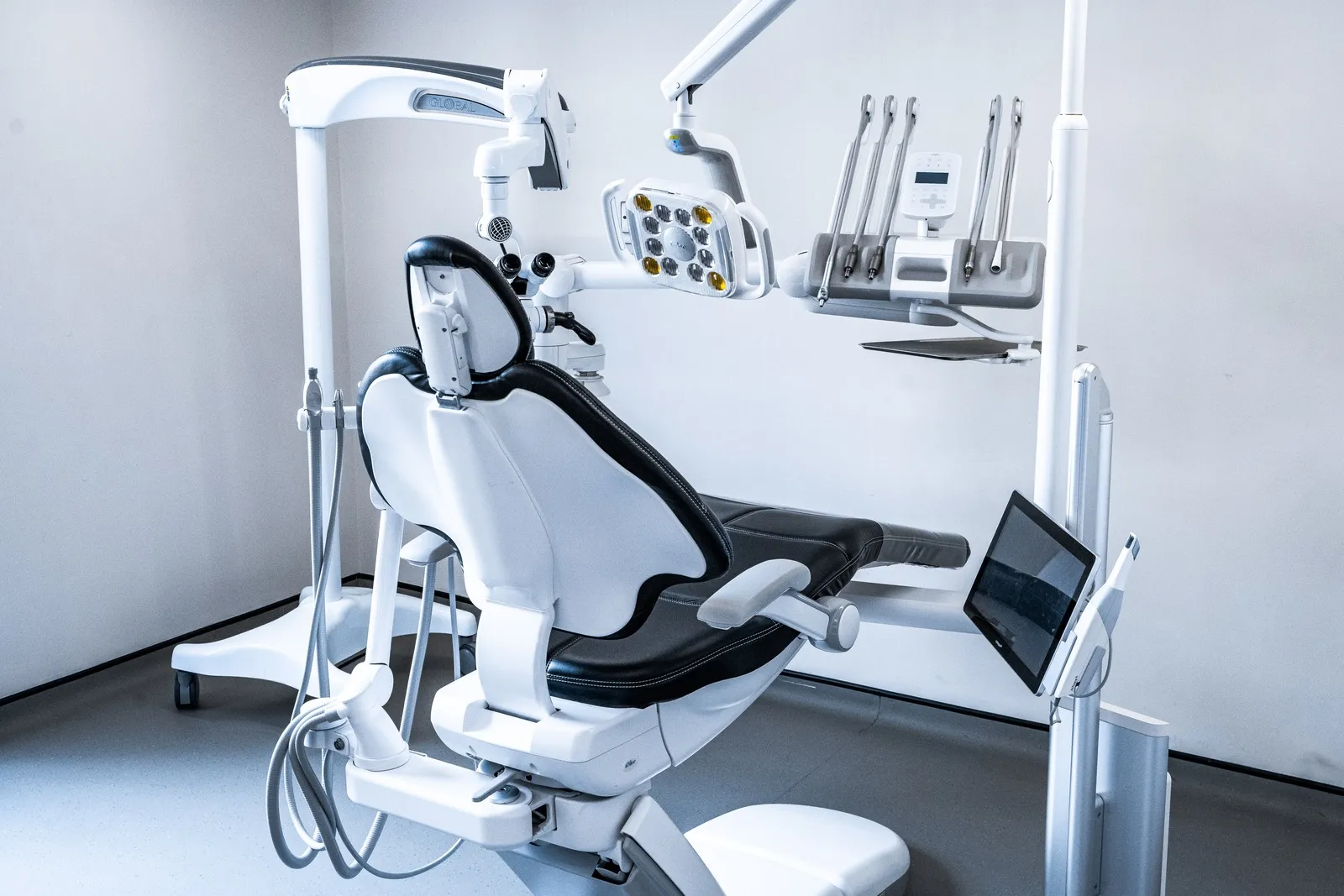
Our 3D CBCT scanner maps your jaw in detail, so implants can be planned and placed with millimetre precision — safely and predictably. Rather than relying on guesswork and flat 2D X-rays, we can see exact bone volume, density and the position of nerves before any treatment begins.
If we're doing something complex — an implant, a difficult extraction, a root canal or oral surgery — a CBCT scan lets us plan it properly. It reveals what 2D X-rays simply can't: hidden infections, complex root anatomy, impacted wisdom teeth and cysts. Modern CBCT machines use far lower radiation than a medical CT scan, and the scan itself takes seconds. It's the foundation of safe, precise implant treatment.
Show more
Show less
We scan our own implant patients as standard, and also accept CBCT/OPG referrals from other dentists.
We review the 3D images with you so you can see exactly where bone allows implant placement before committing to treatment.
For how we use 3D imaging across all surgical treatment, see our oral surgery service.
Dental implants at Clarendon Dental Spa start from £2,750, and we make treatment achievable with finance that lets you spread the cost over time. You can choose interest-free finance over 12 months or spread payments further — so you can move ahead with treatment without paying it all upfront. *0%APR Finance available over 12 months, longer terms also offered. (*subject to affordability, age and status. Minimum spend applies)
High-quality implant treatment is a significant investment, and finance makes it manageable for many patients. After your assessment you'll receive a clear, written treatment plan setting out exactly what's involved and what it costs, with no surprises. Our team will talk you through the payment options and help you find an approach that fits your budget — there's never any pressure to proceed.
Show more
Show less
From £2,750
*0%APR Finance available over 12 months, longer terms also offered. (*subject to affordability, age and status. Minimum spend applies)
Implant treatment starts from £2,750. You'll always receive a detailed written plan with full, itemised costs after your assessment, so you can make a confident, fully informed decision.
*0%APR Finance available over 12 months, longer terms also offered. (*subject to affordability, age and status. Minimum spend applies)
*0%APR Finance available over 12 months, longer terms also offered. (*subject to affordability, age and status. Minimum spend applies)
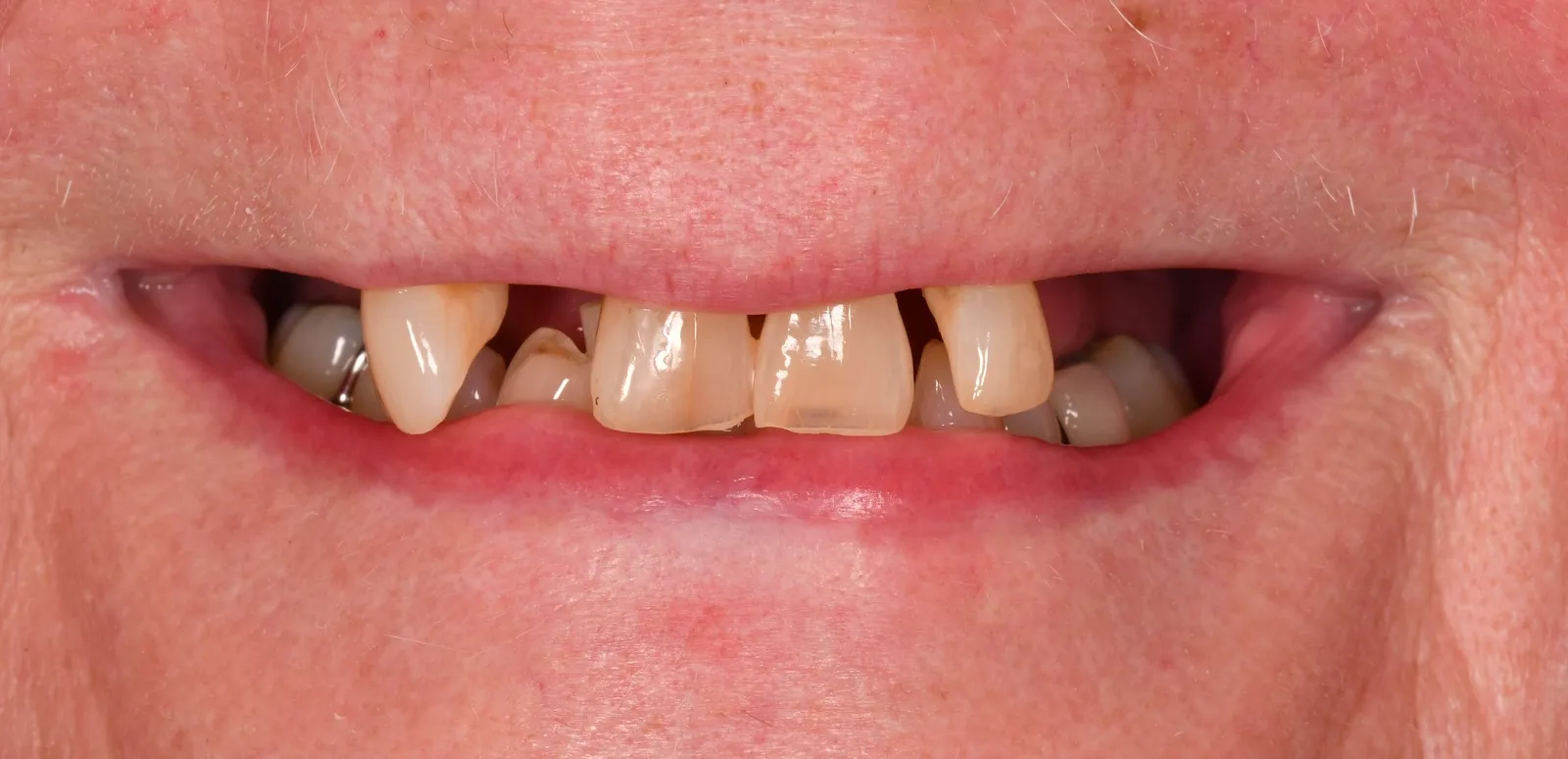
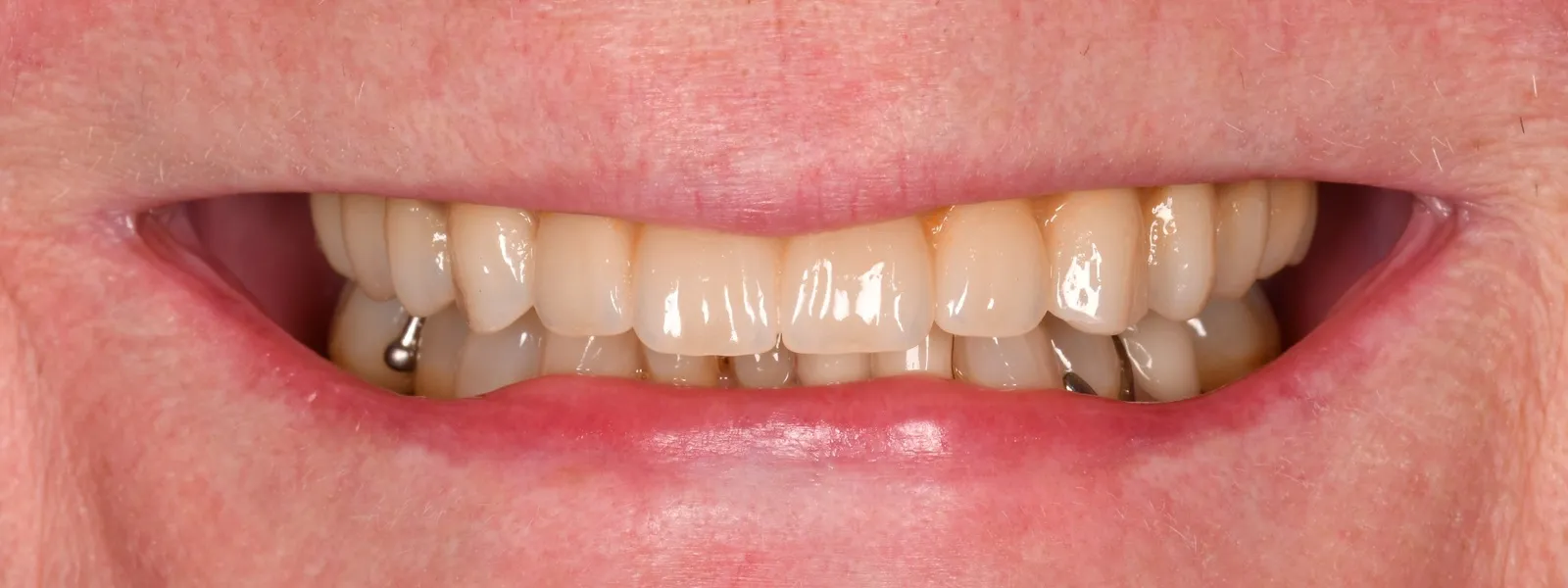
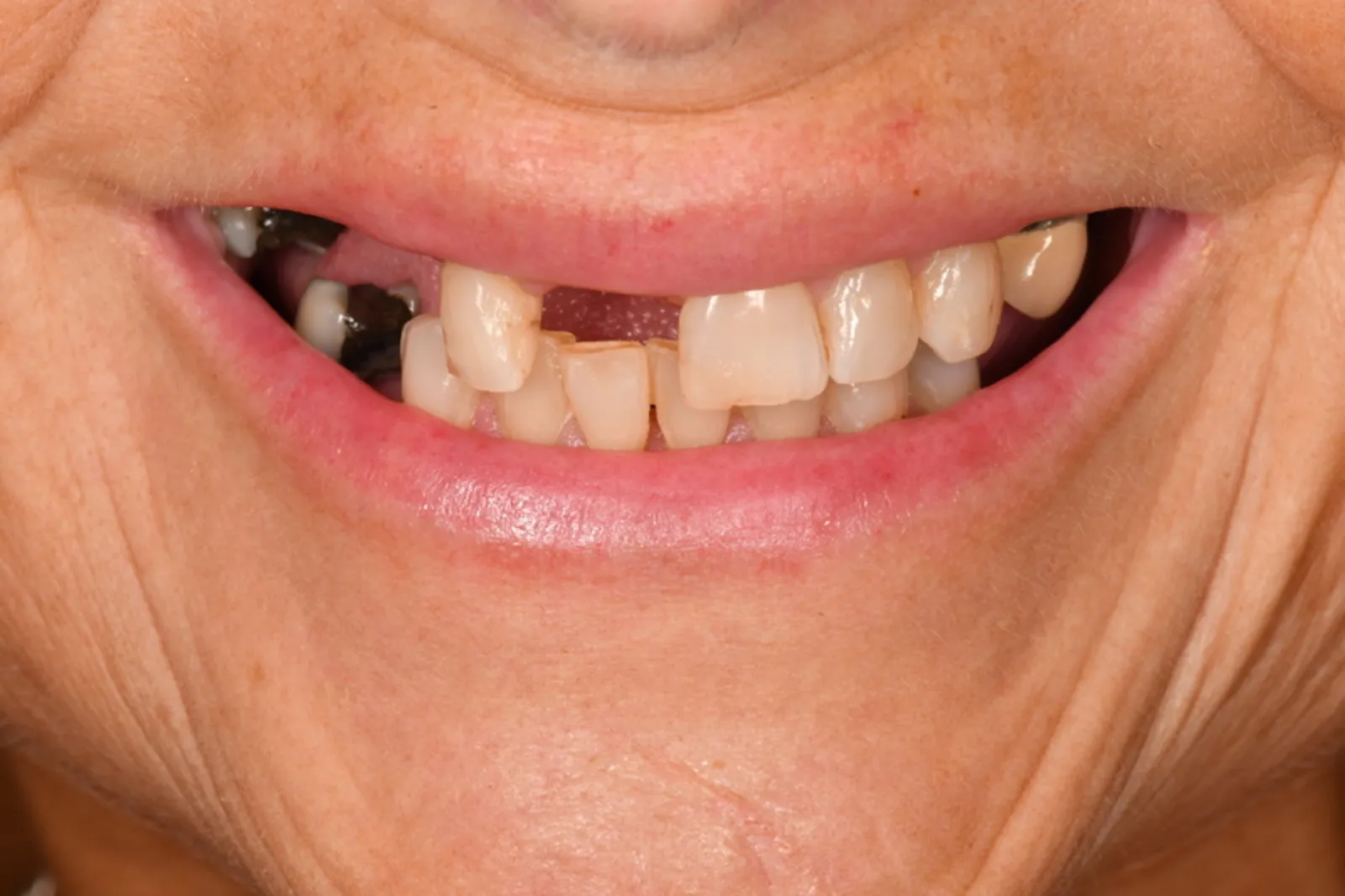
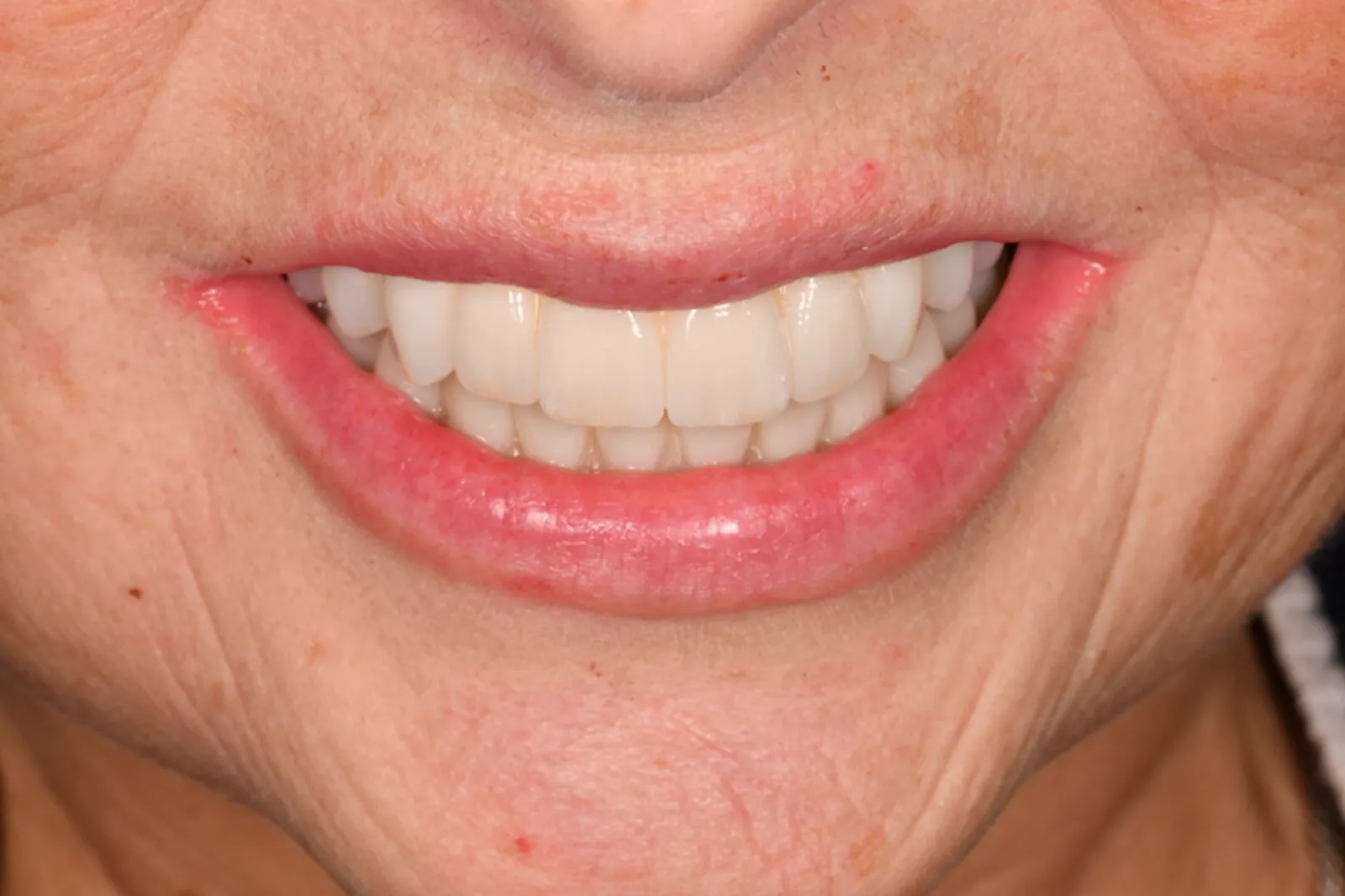
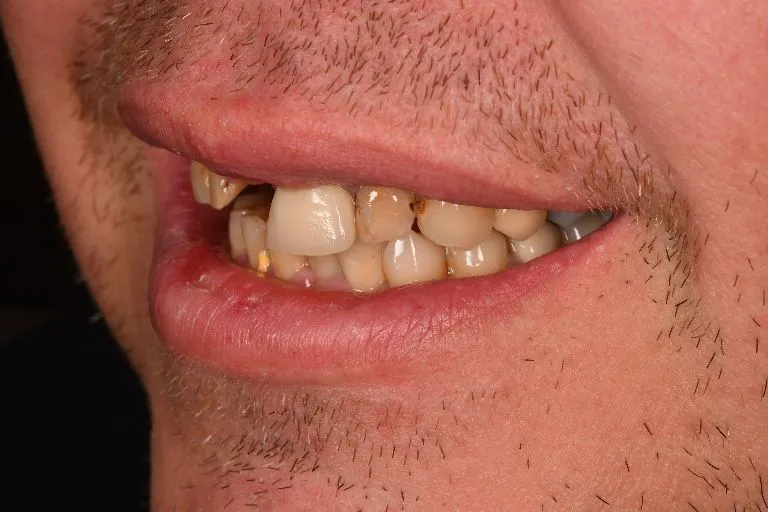
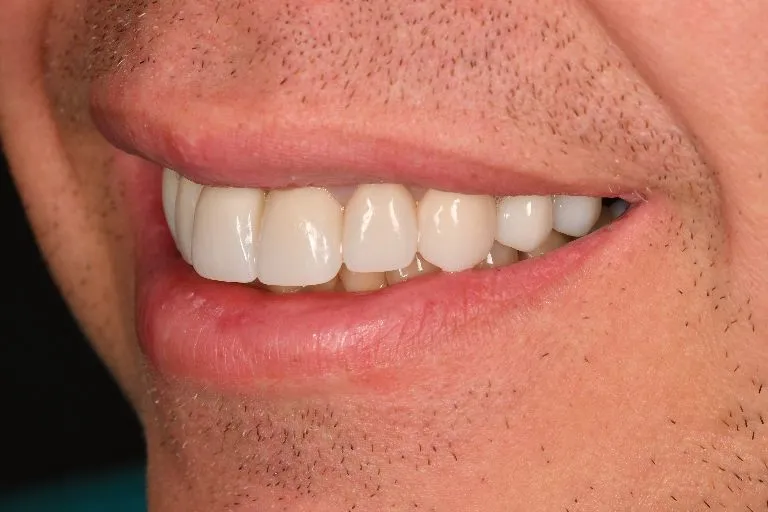

THE BRAND PATIENTS TRUST
Mudassir explained everything clearly. Great results with my implants.
James B.
Best implant experience. Mudassir is highly recommended.
Robert P.
Mudassir is a true professional. My implants look and feel great.
David K.
Highly recommend Mudassir for implants. The best in Leeds.
John D.
Mudassir is the best implantologist. Professional and thorough.
Paul S.
“Advised to get an Implant Bridge … Dr Maghaireh and his nurse Katie put me at ease…the operation was pain-free and done to the highest standard of care by everyone involved”
Lynne Watson
“After consultations with Dr Hassan, we decided that Implant Dentures would be my best option … Dr Hassan and his team were patient, kind and unbelievably professional … I will never be able to thank them enough for giving me back my confidence to smile”
Linda James
“I had five Dental Implants fitted … the procedure was explained and completed to a high standard”
Manjit Panesar
Dr Mohammed M Akhtar
July 4, 2026