Next
Next

From £49
See our price list for full details
Children's dentistry at Clarendon Dental Spa in Leeds provides gentle, specialist paediatric care including examinations, fissure sealants, fluoride applications and hygiene education, building positive experiences and healthy habits from an early age.
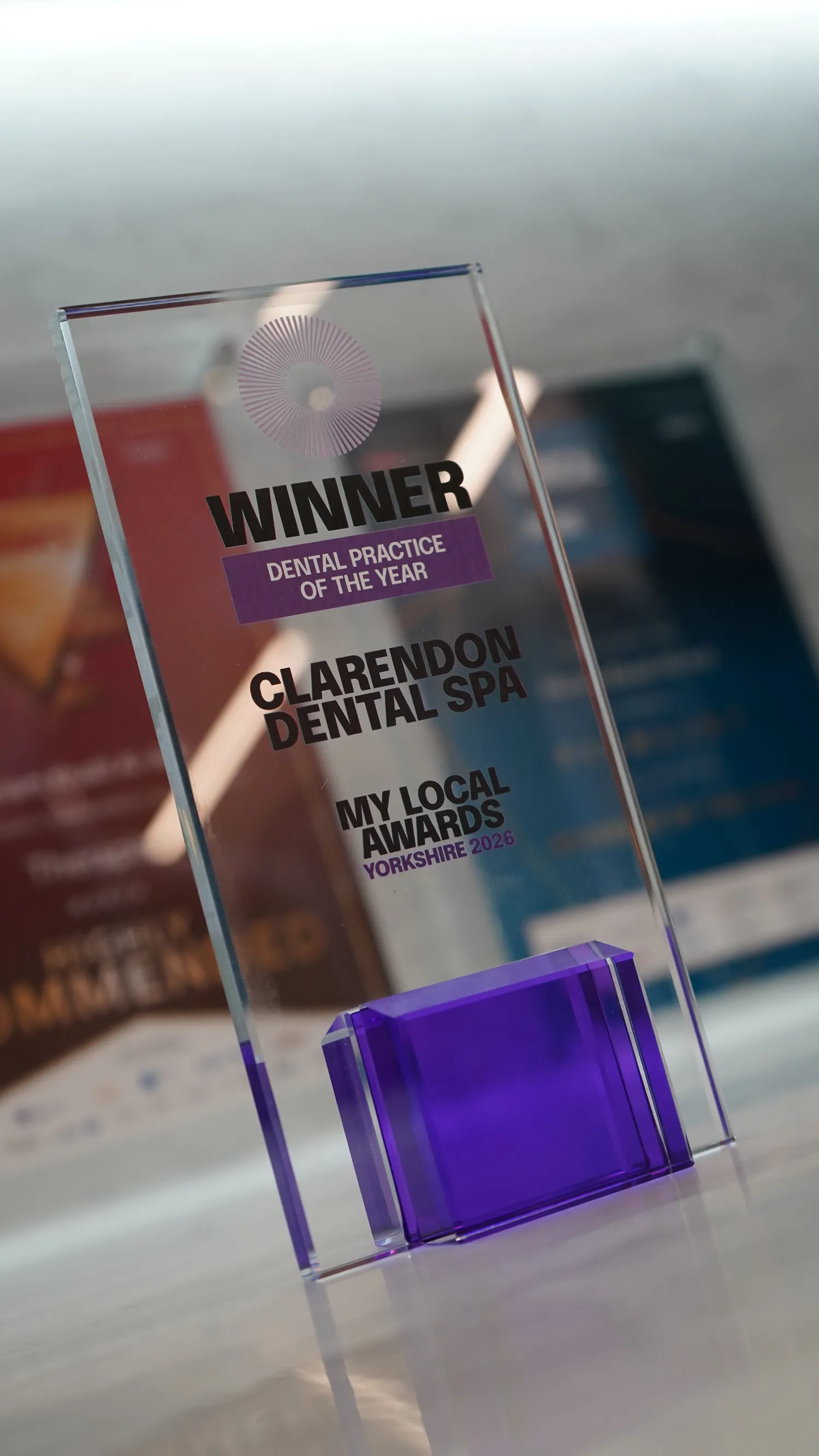
Children’s dentistry is about building trust early and creating positive experiences that last a lifetime. Our care is led by our Paediatric Specialists, Dr Lucy Williams and Dr David Auld, who provide gentle, supportive treatment in a calm, child-friendly environment — helping children feel at ease while giving parents complete confidence in their child’s oral health. Voted Dental Practice of the Year 2026 by real patients.
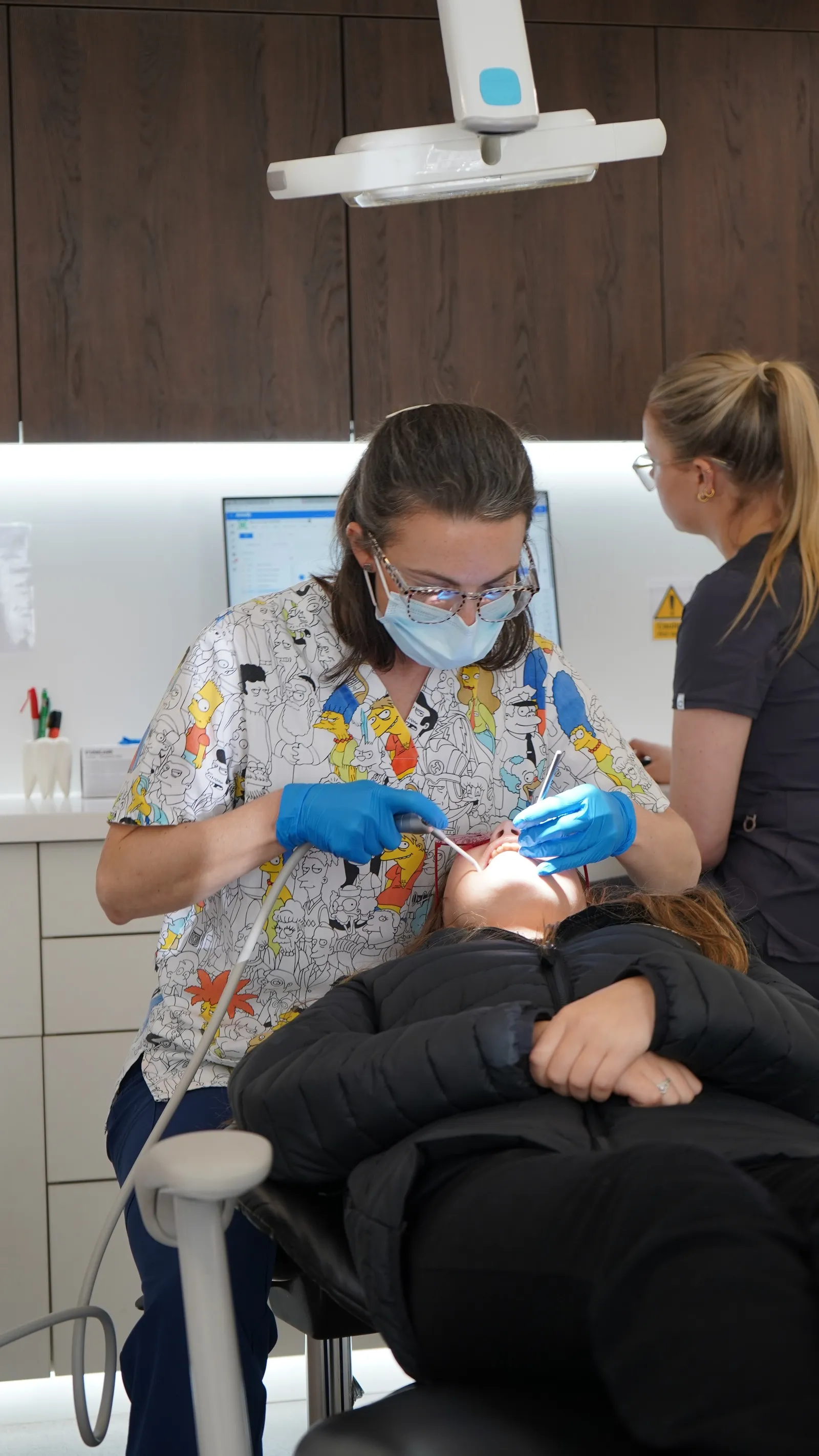
Our private children's dental service in Leeds is led by our Paediatric Specialists Dr Lucy Williams and Dr David Auld, skilled in caring for young children, children with complex medical histories or additional needs, and teenagers up to 16. Every child is different, so we pace each visit to keep it positive and stress-free — and because we're private, there's no long NHS waiting list to join.
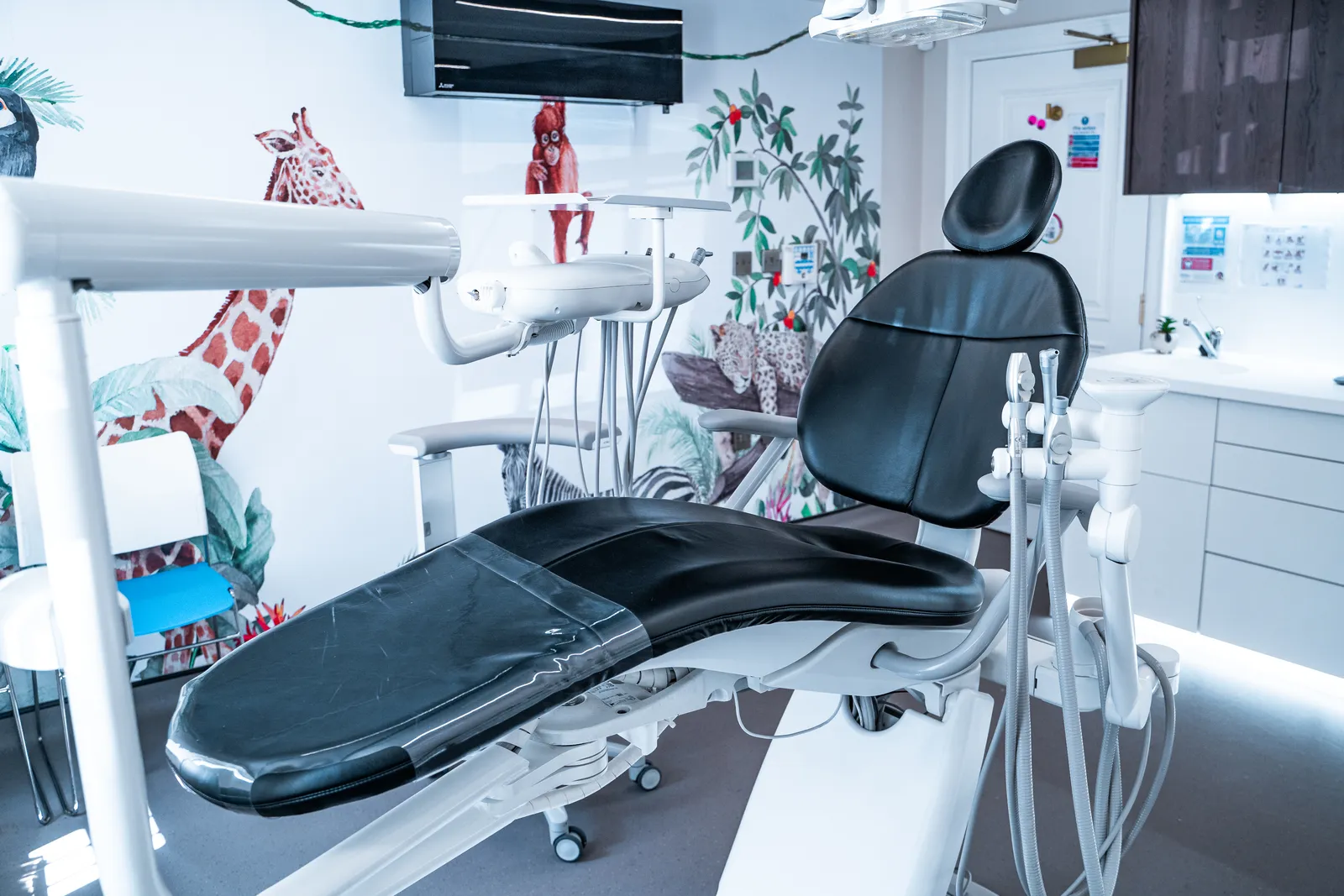
At Clarendon Dental Spa we have a dedicated paediatric area within the practice, designed specifically to make dental care feel comfortable, welcoming and child-friendly. Our specialist service covers advanced care for developmental enamel defects such as molar–incisor hypomineralisation, the management of dental trauma, and tailored support for children with neurodevelopmental and neurodiverse needs. We also provide gentle care for anxious children, including inhalation sedation, and aesthetic treatments for white and brown marks on front teeth using whitening, micro-abrasion and Icon resin infiltration. For suitable patients we now offer tooth-coloured crowns to restore both function and appearance.
Show more
Show less
A condition where the enamel of a child's teeth doesn't form properly, leaving it softer and weaker than normal. Affected teeth can look white, yellow or brown and may be more sensitive to hot, cold or brushing. Because the enamel is less resistant, these teeth are also more prone to wear, decay and chipping. Early assessment and treatment helps protect the teeth and reduce discomfort.
We carry out orthodontic extractions for children and teenagers under 16 when they're recommended as part of an orthodontic treatment plan. Our Paediatric Specialists work closely with your referring orthodontist so treatment is carried out safely and comfortably, with your child's individual needs in mind. Where it helps, inhalation sedation (gas and air) can be used to keep anxious children relaxed.
Falls, sports injuries and other accidents can damage a child's teeth or mouth. Our team is experienced in assessing and managing dental trauma — chipped, broken, displaced or knocked-out teeth, as well as injuries to the gums and surrounding tissues. Prompt assessment gives the best chance of protecting the affected teeth, and we provide clear, reassuring guidance for both children and parents.
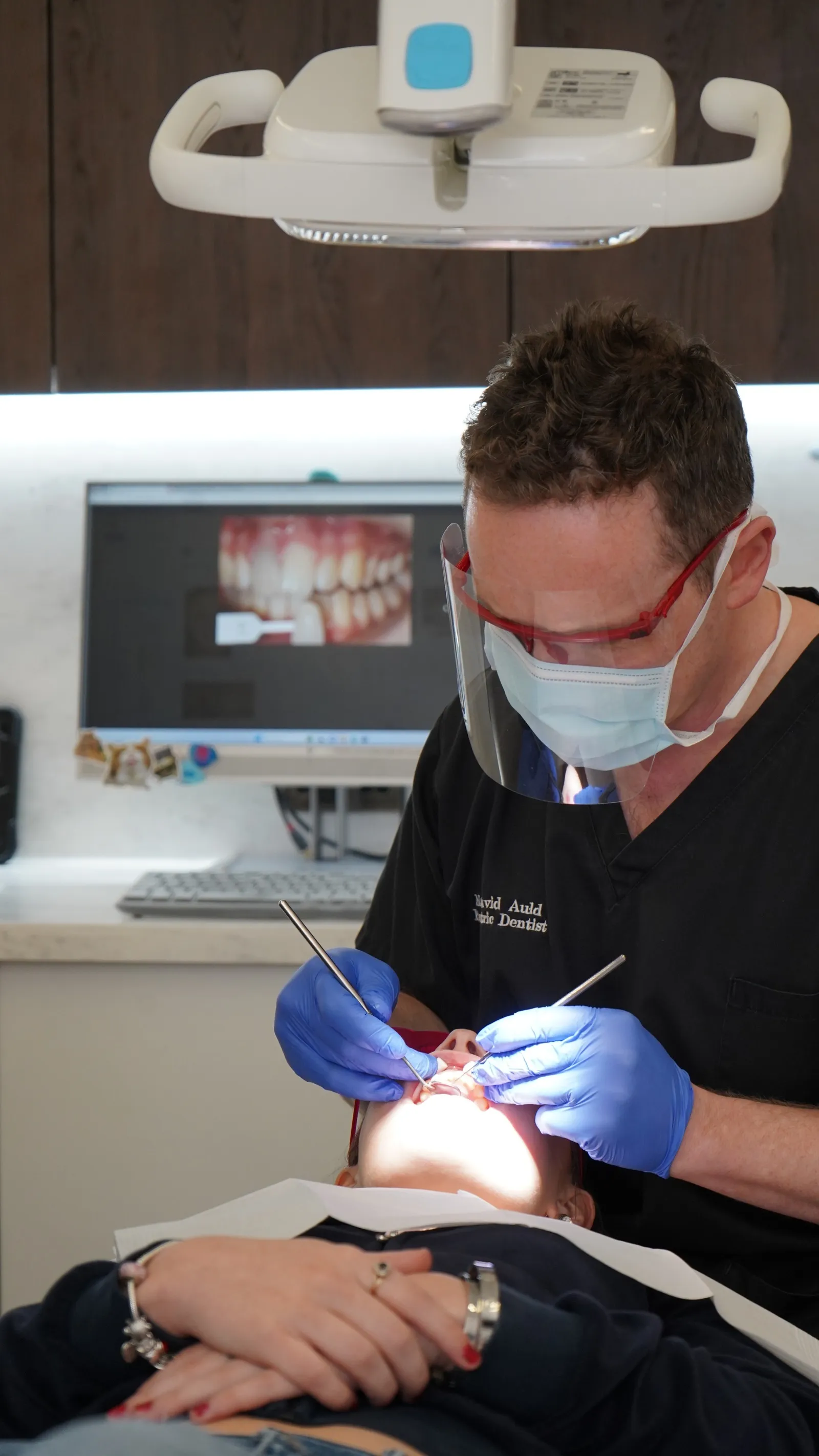
We provide compassionate, tailored dental care for neurodivergent children and children with additional needs in Leeds. We know a dental visit can feel overwhelming for some children, so our team takes time to understand each child's individual needs and adapts the appointment and treatment approach to keep it calm, positive and comfortable.
We work closely with parents and carers to plan visits around what works for your child — quieter times of day, longer appointments, familiarisation visits before any treatment, and clear step-by-step explanations. Our aim is always to build confidence over time, so that going to the dentist becomes something your child can manage, not dread. Every child receives the specialist care, patience and understanding they deserve.
Show more
Show less
Before any treatment we'll talk through your child's needs, triggers and what helps them feel safe. Familiarisation visits, where nothing clinical happens, are often the best first step — just getting comfortable in the chair and meeting the team.
We can adapt lighting, sound, timing and pacing to reduce sensory overload, and we'll never rush. Quieter appointment slots are available, and you're welcome to bring familiar items that help your child settle.
We work alongside parents, carers and, where helpful, your child's wider support network so care is consistent and joined-up. The goal is steady, confidence-building progress at a pace that's right for your child.
Regular children's dental check-ups spot problems early — we use gentle examinations and modern low-dose digital X-rays only when they're clinically needed. A check-up at Clarendons typically includes a full examination of all teeth (baby and adult), a gum health check, an assessment of how the permanent teeth are developing, a jaw and bite assessment to catch early orthodontic issues, and age-appropriate oral hygiene advice for both child and parent.
X-rays are only taken when clinically needed — usually bitewings to check between the back teeth where decay is hardest to see. We use the lowest possible radiation doses, and every appointment is paced for your child's age and comfort. Childhood experiences of the dentist shape adult attitudes to dental care: a negative one can create decades of anxiety, a positive one builds a lifetime of good habits. Our award-winning clinic in Leeds city centre is designed to feel welcoming, not clinical — calming spaces, friendly faces and lots of encouragement, with small rewards for bravery. For particularly anxious children we offer inhalation sedation.
Show more
Show less
Our team is trained in paediatric communication. We use fun language, never rush, and build trust gradually. First visits often don't involve anything clinical — just getting comfortable in the chair.
Decay, bite problems and developmental issues are far easier to manage when caught early. Regular 6-month check-ups stop small issues becoming bigger, more invasive problems.
You stay in the room. You hear everything we say and see everything we see — open, transparent care that helps you support your child's oral health at home.
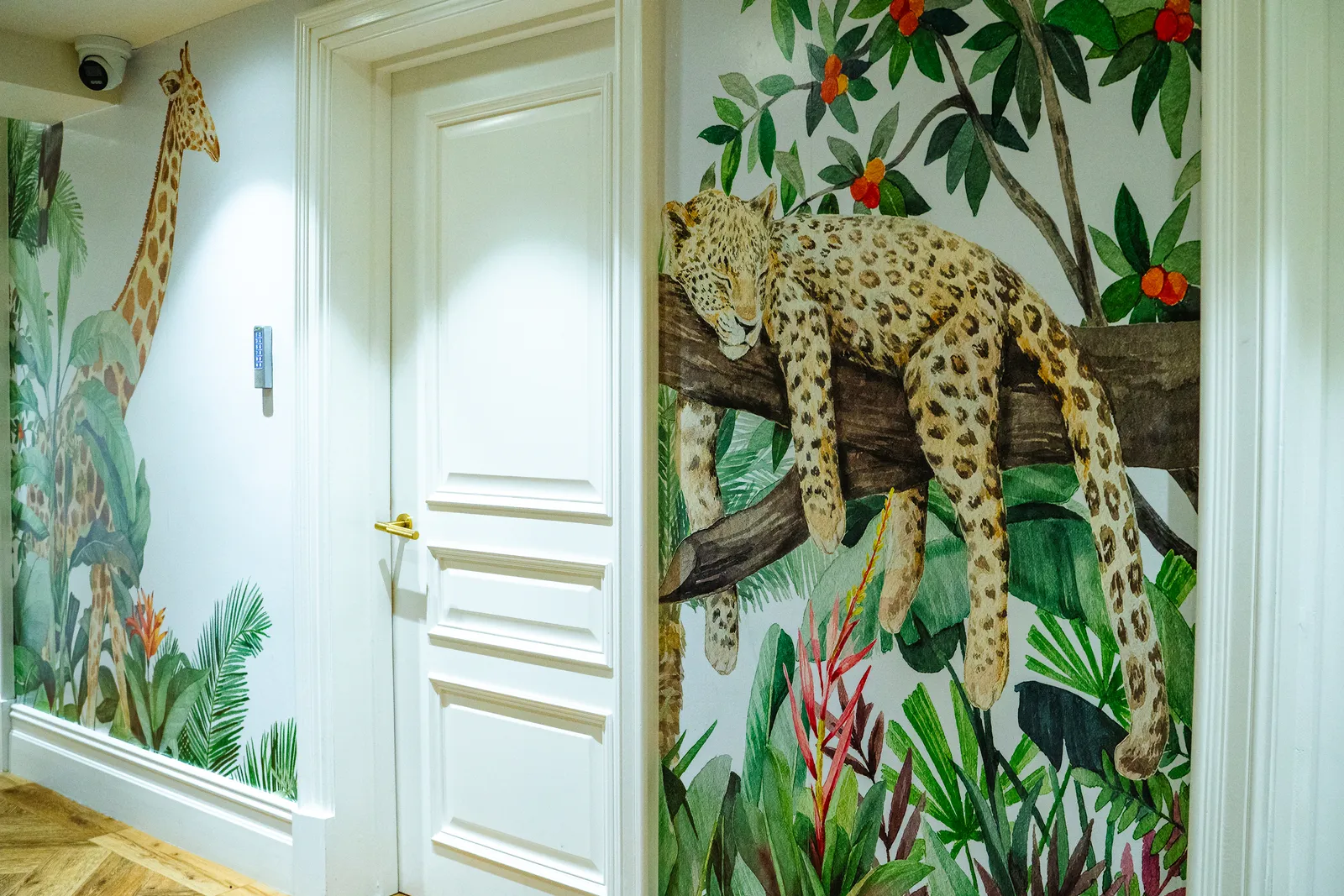
Fissure sealants are a thin protective coating painted onto the grooves of the back teeth to seal out food and bacteria and prevent decay. A sealant is a thin resin coating applied to the chewing surface of molars and premolars, where deep grooves trap food and bacteria most easily.
The tooth is cleaned and dried, a mild etchant is briefly applied to help the sealant bond, and the liquid resin is painted into the grooves and set hard in seconds with a curing light. The sealant smooths out the groove, making the tooth easier to clean and dramatically reducing cavity risk. Sealants typically last 5–10 years and are easily replaced if they wear. Every filling a child avoids is a win — yet many children never receive sealants. At Clarendons we proactively recommend them for children whose molars show deep grooves or decay risk, and we check existing sealants at each routine visit. There's no drilling, no injection and no discomfort.
Show more
Show less
Sealed teeth have far fewer cavities than unsealed teeth. Studies show up to an 80% reduction in decay in molars that would otherwise be high-risk.
A single sealant takes 5–10 minutes, and a full set on all molars and premolars can be done in one appointment — affordable preventative care with years of benefit.
Fissure sealants are purely preventative. No drilling, no anaesthetic, no discomfort — the tooth is simply cleaned, the sealant painted on, and set with a light.
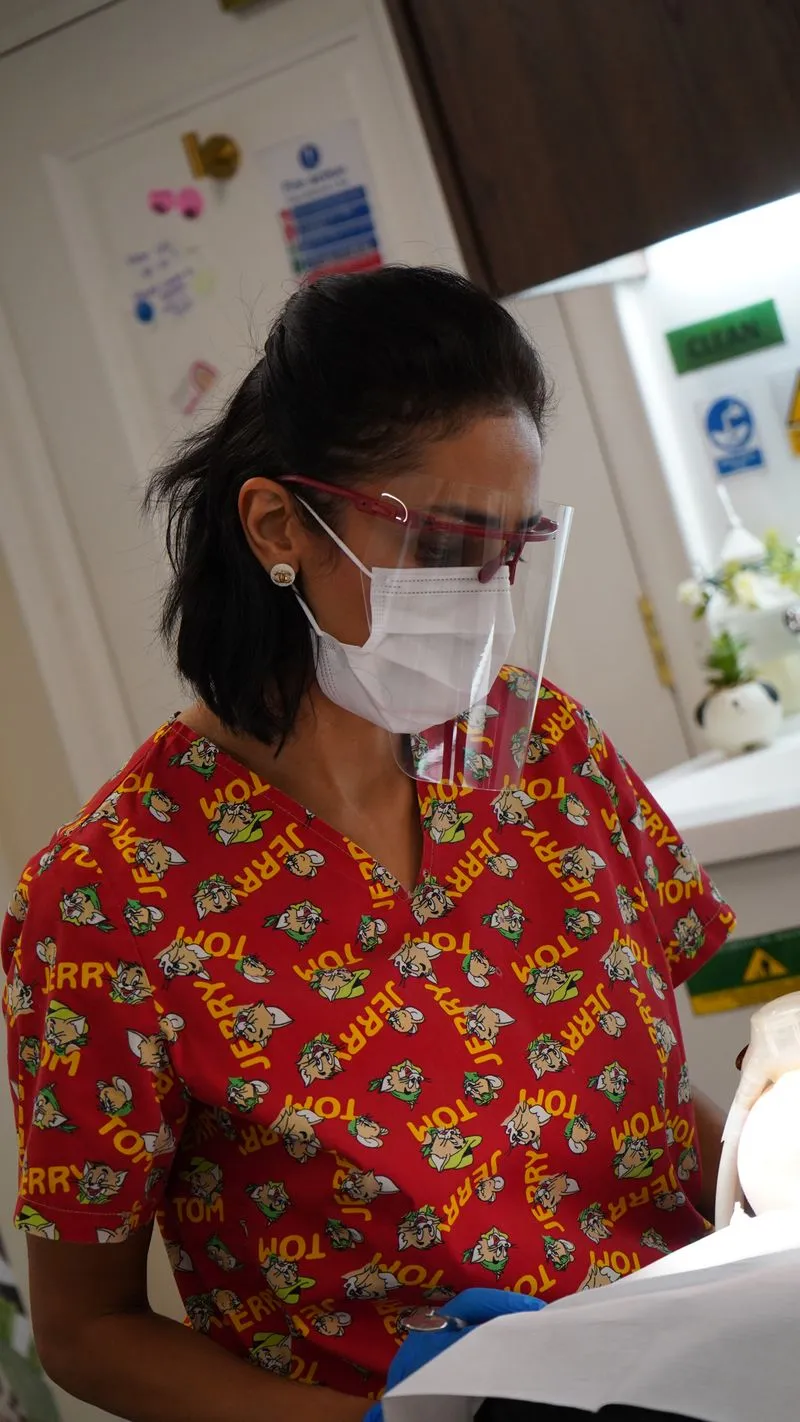
Fluoride varnish is brushed onto your child's teeth to strengthen enamel and reduce the risk of cavities — quick, painless and effective. A professional application uses a concentrated fluoride varnish (typically 5% sodium fluoride) painted onto the tooth with a soft brush, which sets quickly on contact with saliva and releases fluoride over the following hours.
The fluoride is absorbed into the enamel, making it more resistant to the acid attacks that cause decay. A single application takes 1–2 minutes and is repeated at routine check-ups — usually every 6 months for children at moderate risk, more often for those at higher risk. Too many children see the dentist every 6 months without ever receiving the preventative treatments that would dramatically cut their decay risk. At Clarendons we routinely offer fluoride varnish to children who'd benefit, making prevention a proactive part of every visit — because prevention is always cheaper, easier and kinder than treatment.
Show more
Show less
Fluoride varnish is painted on with a soft brush — no drilling, no injections, no discomfort. The whole application takes 1–2 minutes and your child can resume normal activity straight away.
Regular professional fluoride applications can reduce decay risk by up to 40% in children — one of the most effective preventative treatments in modern dentistry.
Children prone to cavities, those with deep fissures, those wearing orthodontic appliances, or those with reduced saliva flow all benefit significantly from regular fluoride applications.
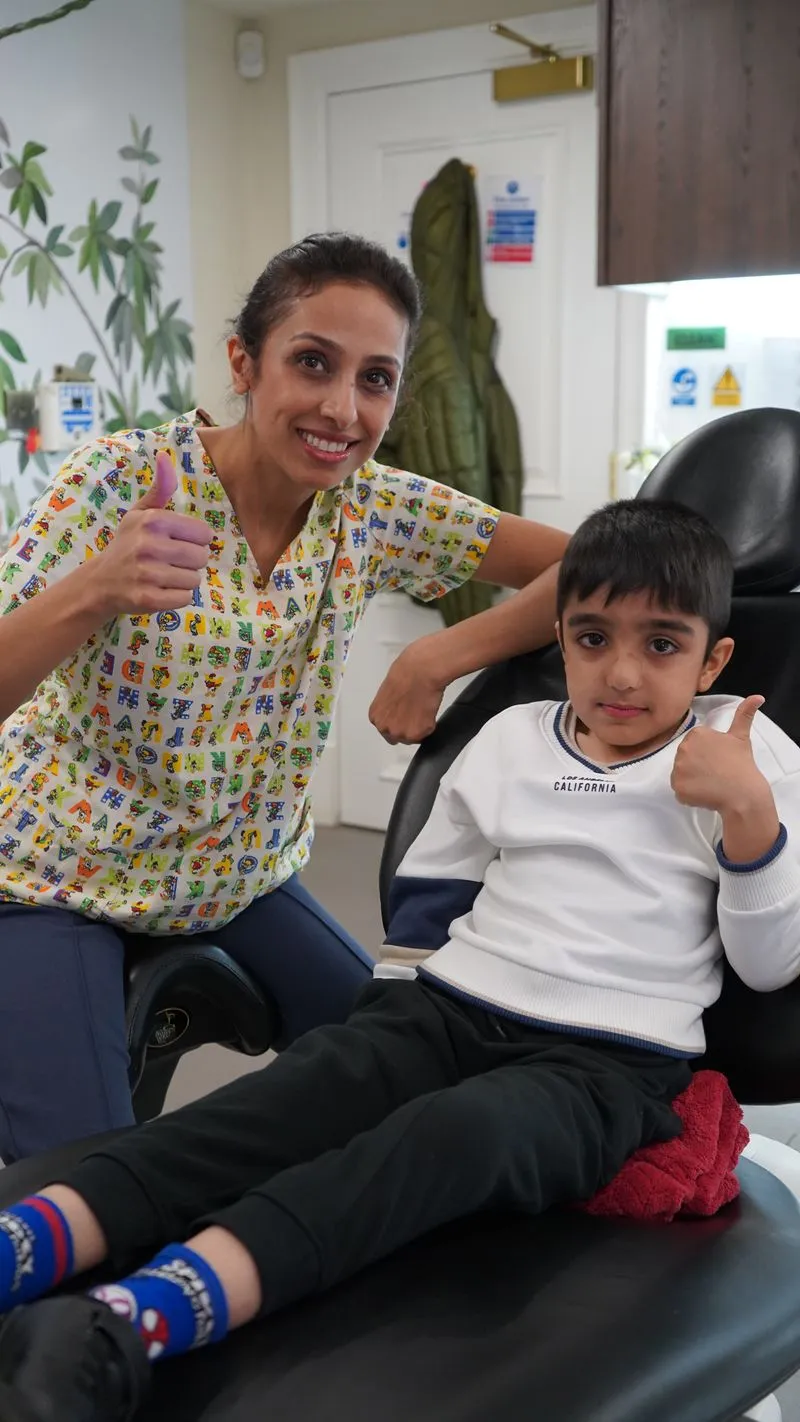
We teach children how to brush and look after their teeth in a friendly, age-appropriate way that builds lifelong healthy habits. Our oral-health coaching covers brushing technique, flossing once teeth touch, practical diet advice, habit management (thumb-sucking, grinding, mouth breathing), early orthodontic awareness, and protective strategies like mouthguards, sealants and fluoride — all in language pitched to your child's age, with parents involved throughout.
“Brush twice a day and floss” doesn't help a 5-year-old who doesn't know how to brush properly, or a teenager who's never flossed. At Clarendons we show, with age-appropriate tools, time and patience — disclosing tablets that reveal plaque, technique walked through tooth by tooth, questions welcomed and progress celebrated at each visit. Our award-winning clinic in Leeds city centre makes oral-health education fun for kids and genuinely useful for parents, with practical take-away tips and ongoing support at every check-up.
Show more
Show less
A 3-year-old needs different brushing help than a 10-year-old. We tailor technique, tools and language to your child's developmental stage for maximum effect.
Real advice for real families — including how to handle birthday parties, school lunches and genuine treats without creating dental disasters.
Thumb-sucking, pacifier use, grinding, mouth breathing — we help you understand the dental implications and work out practical, kind ways to address them.
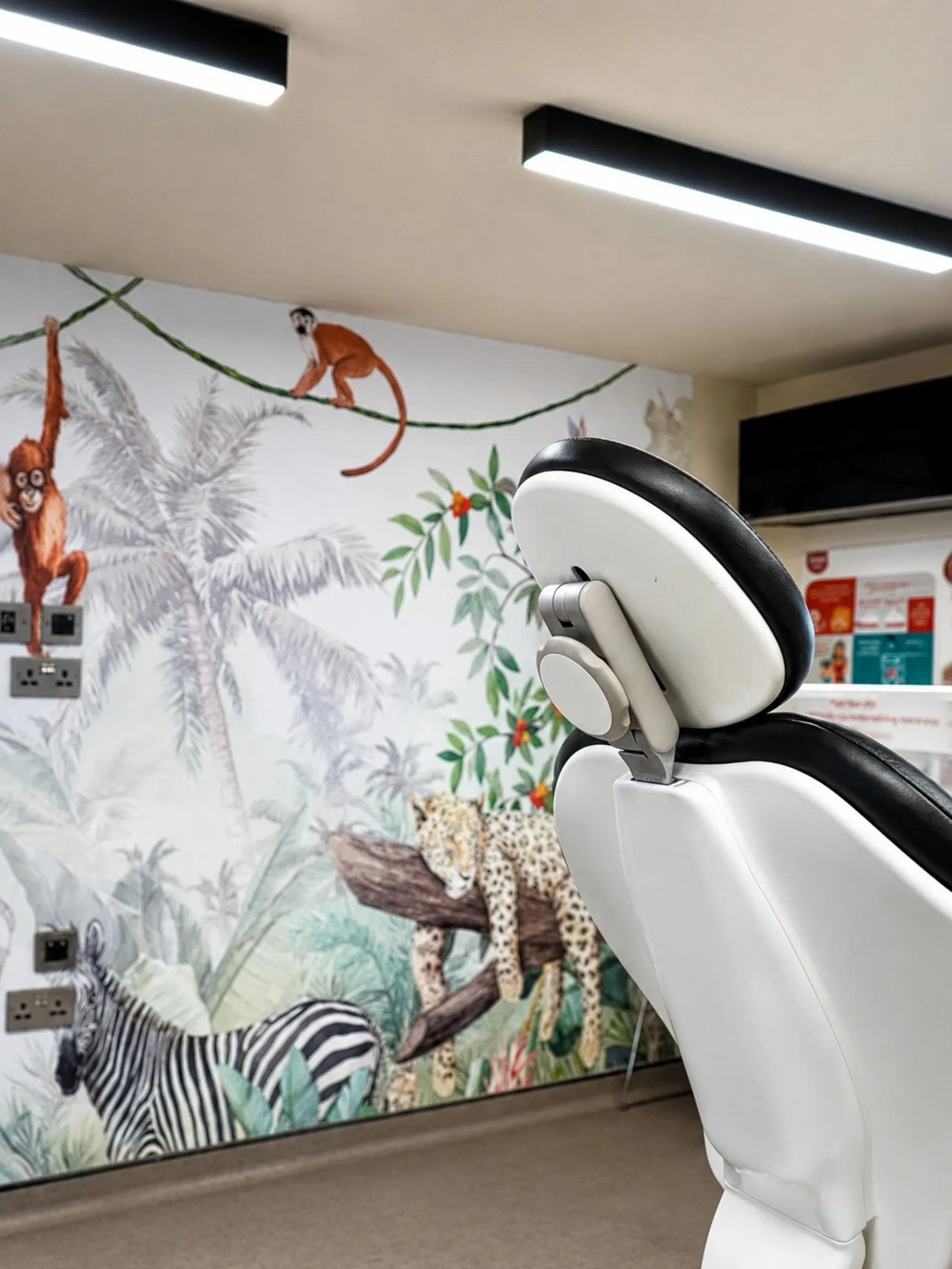
The Wand is a computer-controlled way of giving local anaesthetic that makes “the injection” far gentler — often something children don't even notice. Instead of a traditional syringe, the anaesthetic is delivered through a slim, pen-like handpiece at a steady, controlled rate, which is what removes the sting most children dread.
Because the flow rate is controlled by the system rather than by hand, the anaesthetic is delivered slowly and evenly, so it's much more comfortable than a conventional injection. The pen-like design looks far less intimidating than a syringe, which helps anxious children stay calm. For many nervous children, the Wand is the difference between dreading treatment and sailing through it — and a calm early experience is what builds a confident adult dental patient. We use it for children (and nervous adults) wherever local anaesthetic is needed.
Show more
Show less
The Wand delivers anaesthetic at a slow, steady, computer-controlled rate. Most of the discomfort of a traditional injection comes from anaesthetic being delivered too quickly — controlling the rate is what makes it gentle.
The slim, pen-like handpiece doesn't look like a syringe, which helps nervous children feel calmer before and during treatment.
A calm, comfortable first experience of “getting a tooth numbed” helps prevent the dental anxiety that so often starts in childhood.
Inhalation sedation uses a safe, carefully controlled mix of nitrous oxide and oxygen — often called “happy air” — to help anxious children feel calm and relaxed during treatment. It's breathed in through a small, soft nose mask, and it works by easing anxiety without putting your child to sleep — they stay awake and able to respond throughout.
The level of sedation can be adjusted during the appointment, and at the end pure oxygen is given for a few minutes to clear the nitrous oxide completely, so your child recovers quickly with no lingering effects. Not every anxious child needs deep sedation — for many, happy air is just enough to take the edge off and get them comfortably through a filling, hygiene visit or extraction. Our award-winning clinic in Leeds city centre specialises in caring for nervous children, with a genuinely compassionate team, a calm environment and no judgement about anxiety or previous experiences.
Show more
Show less
Your child feels relaxed within a few minutes, and the effects clear within minutes of the mask coming off — no lingering drowsiness and no impact on the rest of the day.
Unlike deeper sedation, your child stays fully awake and able to respond — just much calmer about what's happening.
Perfect for children who find dental treatment stressful but don't need deeper sedation. It takes the edge off beautifully for most nervous children.

Tongue-tie (ankyloglossia) is when the small band of tissue under the tongue (the frenulum) is short or tight, restricting how far the tongue can move. In babies it can affect feeding and latch; in older children it can affect speech, eating and oral hygiene. A frenectomy is a quick, gentle procedure to release it.
We assess every child carefully first — not every tongue-tie needs treating, and we'll only recommend a frenectomy where it's genuinely affecting feeding, speech or function. When it is the right step, the procedure is minor and usually done under local anaesthetic, releasing the tight tissue so the tongue can move freely. For infants with feeding difficulties we work supportively with parents, and for older children we explain everything clearly and keep them calm throughout. Aftercare is simple, and we give you clear guidance to support comfortable healing.
Show more
Show less
A tight tongue-tie can make latching and feeding difficult. Where it's clearly affecting feeding, an early, gentle release can make a real difference — and we work supportively alongside parents.
In older children, tongue-tie can affect certain speech sounds, eating and the ability to clean the teeth properly. We assess whether release would genuinely help before recommending it.
A frenectomy is a minor procedure, usually under local anaesthetic, with simple aftercare. We keep children calm throughout and explain every step.
If your child has a dental accident — a knocked-out, broken, chipped or displaced tooth, or an injury to the lips and gums — prompt assessment gives the best chance of saving the tooth and settling the pain. Our team is experienced in managing children's dental trauma calmly and quickly.
Acting fast matters: a knocked-out adult tooth has the best outcome when it's seen as soon as possible. If you can, keep a knocked-out adult tooth moist (in milk or saliva, not water) and contact us straight away — don't scrub it. We'll assess the injury, relieve any pain, and explain clearly what we've found and the next steps. Beyond the immediate treatment, we follow up to monitor the affected teeth, because trauma can sometimes affect a tooth weeks or months later. Throughout, we keep both child and parent reassured.
Show more
Show less
For a knocked-out adult tooth, keep it moist in milk or saliva (never scrub it) and contact us as soon as possible — prompt care gives the best chance of saving it. Baby teeth are not re-implanted, but should still be assessed.
We assess and stabilise chipped, broken or displaced teeth, relieve pain, and plan any repair — explaining everything clearly to you and your child.
Dental trauma can affect a tooth weeks or months later, so we monitor the affected teeth over time rather than treating it as a one-off.
Some bite and alignment problems are far easier to guide while a child is still growing, so an early orthodontic assessment can make a real difference. We check how the jaws and permanent teeth are developing and advise whether early intervention would help — or whether it's best to simply monitor and treat later.
Not every child needs early orthodontic treatment, and we'll always give you honest advice on timing. Where we spot something worth watching — crowding, a developing crossbite, or habits affecting the bite — we'll explain it clearly and recommend the right point to act. For full orthodontic treatment, including clear aligners for teens, see our dedicated orthodontics options, where our specialist orthodontic team can take things further. — and for teens, our Invisalign clear aligners.
Show more
Show less
A short, gentle check of jaw growth and how the permanent teeth are coming through — no X-rays needed unless there’s a specific concern.
No — you can book an orthodontic assessment for your child directly with us.
For full treatment, including clear aligners for teenagers, our specialist orthodontic team can take things further — see our dedicated orthodontics page.
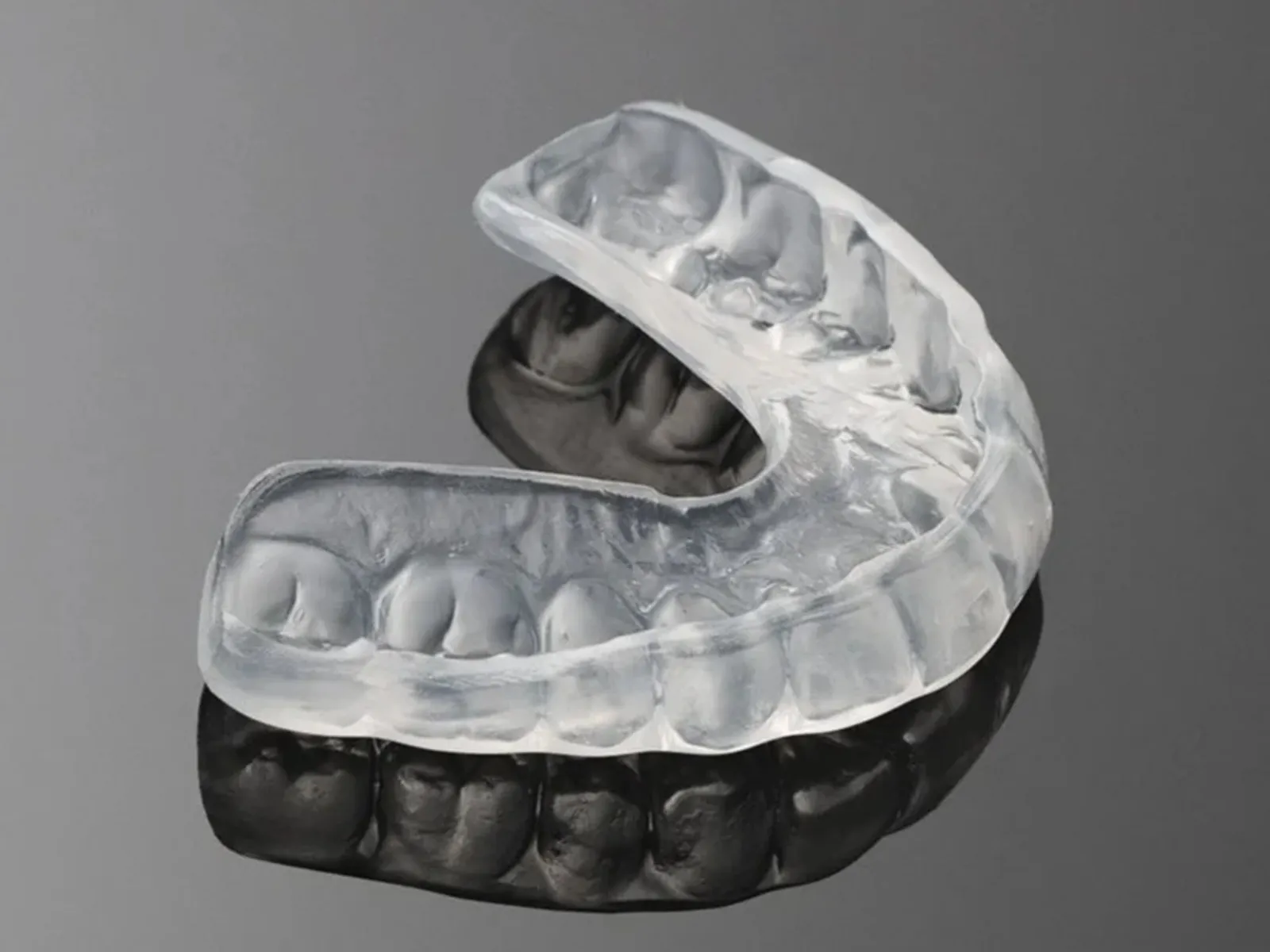
A custom-made sports mouthguard fits precisely over the teeth to absorb impact and protect against injury during contact sport — for both adults and children. It's made individually from precise impressions or 3D scans of your teeth, in strong material layered to a thickness suited to your sport.
A custom guard fits snugly, stays put during play and absorbs impact that would otherwise transmit straight to the teeth or jaw — protecting against fractured and knocked-out teeth, soft-tissue injuries, and reducing the risk of jaw injury. Boil-and-bite guards from sports shops offer limited protection at best: they don't fit precisely, often fall out, and can fail under real impact. Our award-winning clinic in Leeds city centre makes the process simple — one appointment for impressions or 3D scans, a short wait while we craft your guard, then a fitting to check comfort. Children need replacements every 1–2 years as they grow.
Show more
Show less
Made from precise impressions of your teeth, a custom guard fits comfortably and stays put during play — far superior to the boil-and-bite versions sold in sports shops.
Thickness and coverage are matched to your sport. Rugby and boxing need maximum protection; lower-impact sports need less bulk. We tailor every guard to your needs.
Children wearing braces need specific mouthguard designs that fit around the brackets. We make these routinely — protecting teeth, braces and soft tissues during sport.
THE BRAND PATIENTS TRUST
Myself and my family went to see Mustafa and his lovely nurse today. They were both great! With his nurse making extra effort with my little boy.
Gemma Briggs
Brilliant care from dentist Mustafa Shihab. His warm and calm presence really put my little girl at ease in the chair.
Helen Robinson
Highly recommend Dr Lucy Williams for children. Very patient and kind.
Mark R.
Dr Lucy is wonderful with kids. My daughter actually enjoys the dentist now.
Jessica M.
Today my daughter had an appointment at 3:40 with Dr Mustafa Shihab. He was a very good and comforting doctor.
S A Sulaiman
Highly recommend Dr Mamdouh Al-Chihabi. Great with my son.
Paul H.
Dr Mamdouh is fantastic with kids. Very patient and professional.
Karen B.
Highly recommend Dr Elnaz Aliakbari. Very professional and kind.
John W.
Dr Elnaz is wonderful. She explained everything so well to my son.
Sarah P.
Great experience with Dr Christina. My kids were very happy.
Michael S.
Dr Christina is lovely with children. Very thorough and kind.
Emily K.
Highly recommend Dr David. He is very calm and reassuring with kids.
Paul M.
Dr David Auld is brilliant with children with special needs. Very patient.
Karen W.
I've been a patient at Clarendon Dental Spa for over 15 years. I recently visited for a checkup with my 2 daughters and saw Aisha. She was fantastic with all three of us.
Rachel Thorpe
I had a wonderful experience with Dr. Aisha Al-Salam, and so did my two children. We're so happy to have her back as our family dentist! Great with kids and very professional.
Mee Hwa Ling
Aisha Al-salam At Clarendon is such an amazing kind and caring dentist. Spends all her time, doesn't rush, knowledgeable and so lovely with kids. All my treatments done were painless, always let's me know what's happening. Would 100% recommend.
Sumaya Mulla
“My thanks to Dr David Auld and Mariam Al-Ani … they both dealt with my child and I just want to say how brilliant of a job they did … such a lovely dental place”
Lauren Tate
“The dentist we saw, Dr David Auld, was excellent. He had a kind and calming manner … and made our nervous daughter feel relaxed”
John Goodden
“My 5 year old son was referred to Clarendons … his dentist was David Auld and he was absolutely brilliant with him. My son was immediately at ease”
Vicki Barron
“An excellent service received for my daughter who is usually afraid of the dentist. Dr David Auld and his team put her at ease immediately”
Tracy Needham

Dr David Auld
July 4, 2026