Next
Next

From £200 per session
See our price list for full details
Sedation dentistry at Clarendon Dental Spa in Leeds helps anxious and phobic patients receive treatment comfortably, using inhalation, oral or IV sedation delivered by trained clinicians so you stay relaxed, safe and in control throughout your visit.
Patients who feel nervous about dental treatment can benefit from sedation, which creates a calmer, more peaceful experience. Whether your anxiety comes from previous dental visits or simply feeling uneasy in the chair, our approach helps you stay relaxed, supported and in control from start to finish. Sedation is overseen by Dr Mohammed M Akhtar (GDC 252823). Clarendon Dental Spa was voted Dental Practice of the Year 2026 by real patients — recognition of exactly the calm, judgement-free care that nervous and phobic patients tell us makes the difference.
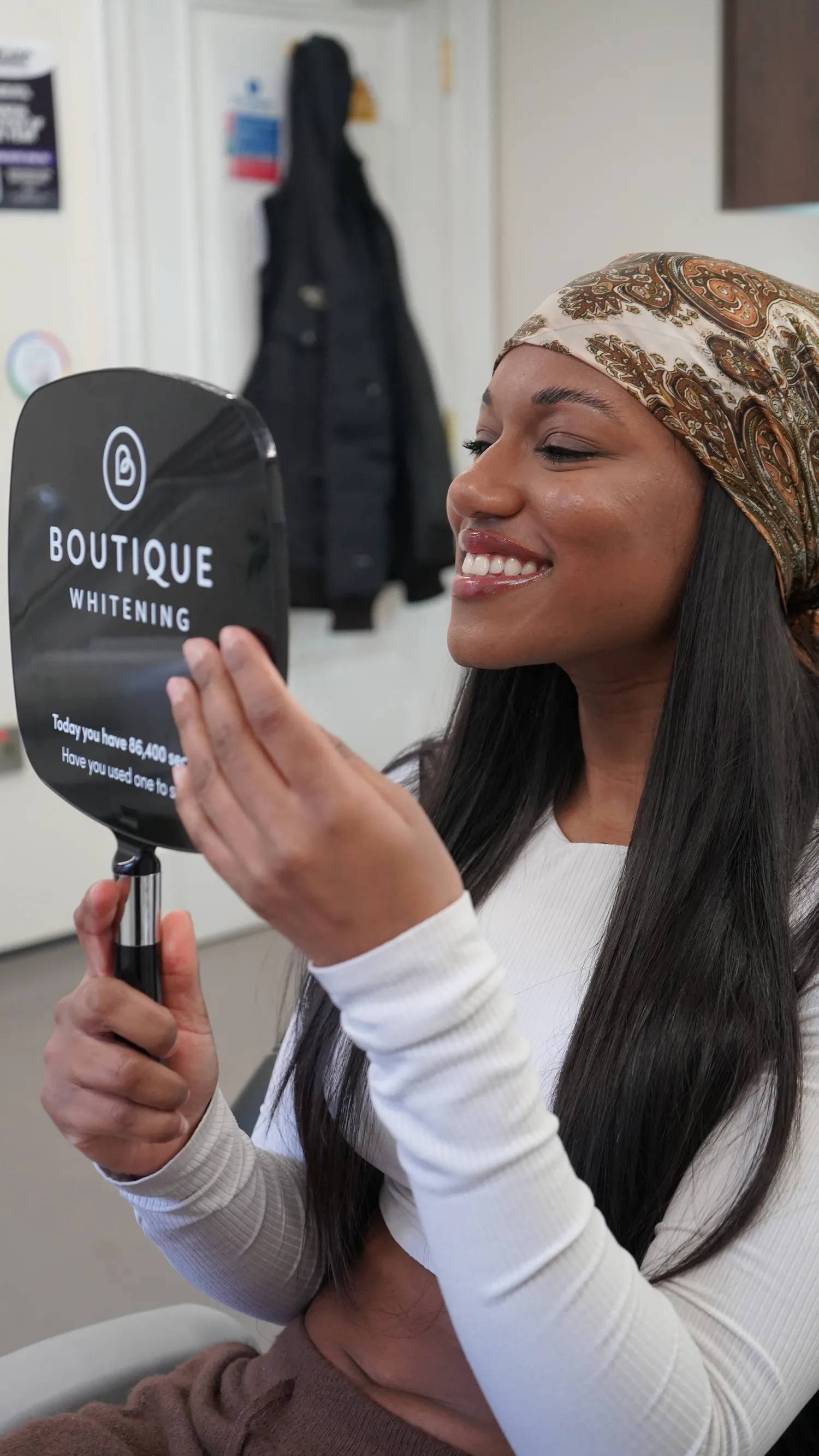
Inhalation sedation (“happy air”) uses a safe oxygen and nitrous oxide mix to help anxious adult patients feel calm and relaxed, wearing off within minutes so there’s no lasting effect on the rest of your day.
You breathe it in through a small soft nose mask, stay fully awake and in control the whole time, and can drive home and carry on as normal straight afterwards. It’s ideal for mild to moderate dental anxiety.
The nitrous oxide (around 30–50%) is delivered with oxygen and calms the central nervous system without putting you to sleep. The level can be adjusted moment to moment — increased for the trickier parts of treatment, eased back for the routine parts. At the end you breathe pure oxygen for 3–5 minutes, which clears the nitrous oxide completely. There’s no recovery period and no escort needed.
Not everyone with dental anxiety needs deep sedation. Many patients simply need something gentle to stay calm through a check-up, filling, hygiene visit or extraction. Inhalation sedation delivers exactly that: gentle, adjustable and immediately reversible. We offer it for any treatment where it helps, not just for “difficult” cases.
For children, inhalation sedation is known as relative analgesia (RA) and is delivered by our specialist paediatric team — see our children’s dentistry page for gentle sedation and care designed specifically for young patients.
Show more
Show less
You’ll feel relaxed within 2–3 minutes of starting, and the effects clear within 5–10 minutes of the mask coming off. No recovery period, no escort needed, and no impact on the rest of your day — you can drive yourself home.
Unlike IV sedation, inhalation sedation doesn’t make you drowsy or deeply sedated. You stay fully conscious, able to talk and respond to the dental team, and aware of what’s happening throughout — just far calmer about it. Many nervous patients find this level of awareness reassuring.
Perfect for patients who find dental treatment stressful but don’t need the deeper sedation of IV or oral options. It takes the edge off beautifully for most nervous patients.
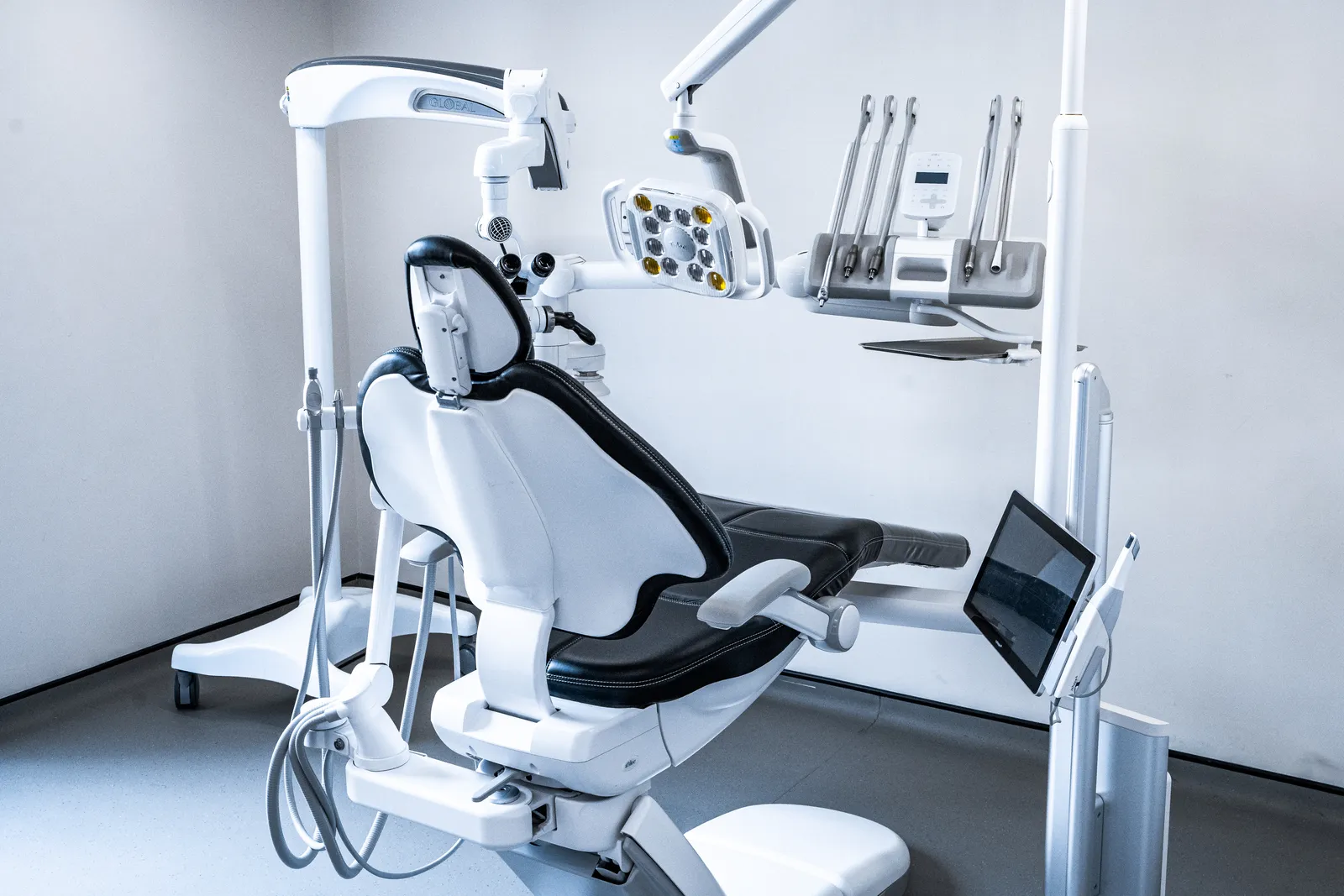
IV (intravenous) sedation delivers a calming medication straight into the bloodstream, leaving you deeply relaxed and remembering little of the treatment. It’s our deepest conscious-sedation option and is ideally suited to adults with severe dental anxiety or phobia, and to longer or more complex appointments.
You stay conscious and breathing normally throughout, on the edge of sleep, monitored continuously by specially trained clinicians.
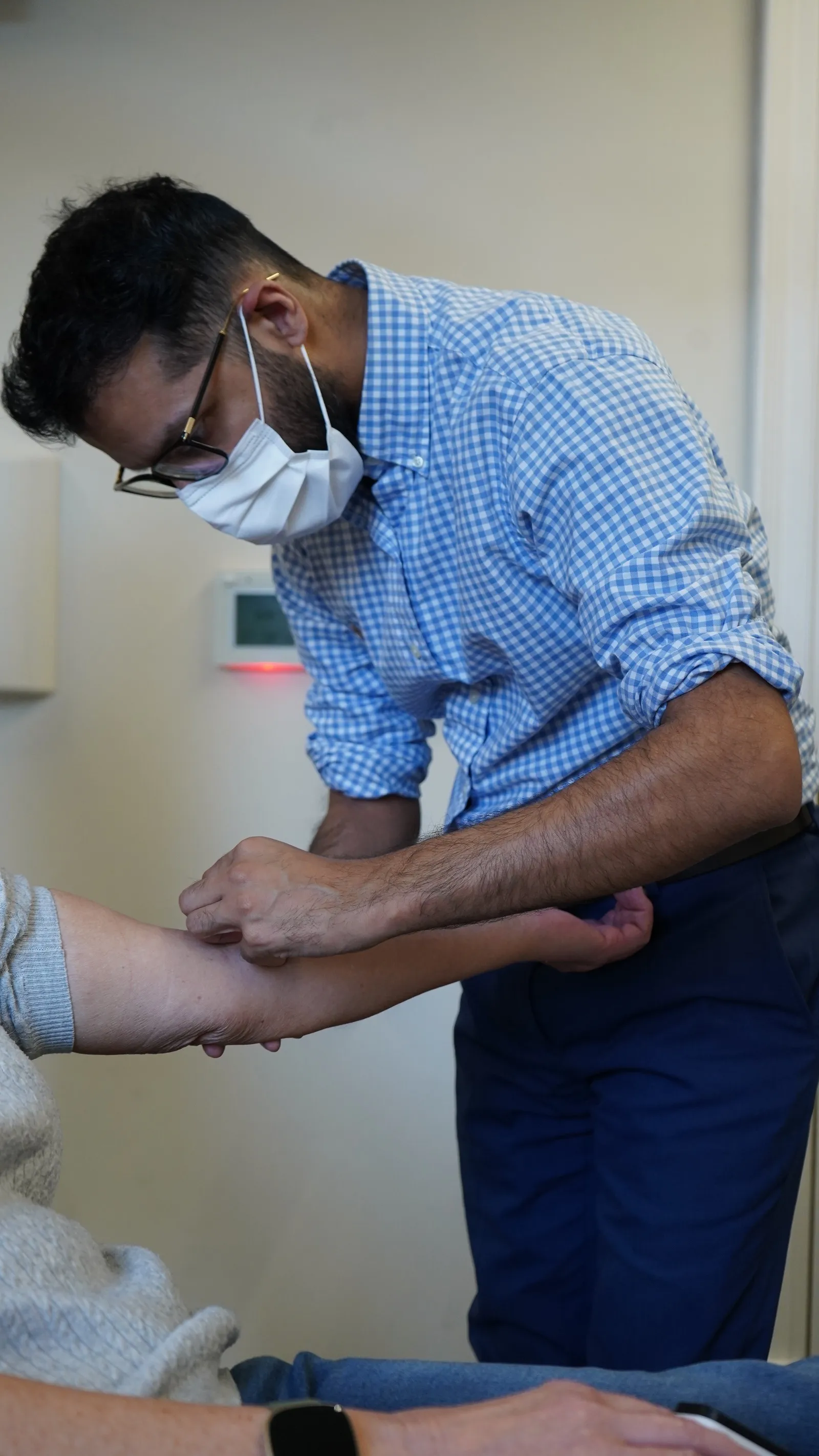
The sedative (typically midazolam or similar) is given through a small cannula in your hand or arm and begins working within 1–2 minutes, producing deep relaxation, drowsiness and amnesia for the period of sedation. The clinician can titrate the dose precisely — deepening or lightening it as needed — while monitoring your pulse, oxygen levels and blood pressure. Afterwards you rest in recovery until you’re safe to leave, usually 30–60 minutes. You’ll need an escort to take you home and can’t drive or work for the rest of the day.
Severe dental phobia is real, serious and isolating — many people avoid essential dental care for years. IV sedation is often the key that unlocks the door, letting years of avoided treatment be completed calmly across manageable appointments. Many patients gradually progress to treatment without sedation as their confidence grows. IV sedation can accompany almost any treatment — see “Sedation for Any Dental Treatment in Leeds” below.
Show more
Show less
Far deeper than inhalation or oral sedation. You’ll feel as though you’re dozing throughout — rousable if needed, but entirely relaxed. Ideal for severe dental anxiety and for adults facing longer or more involved treatment.
IV sedation typically produces amnesia for the period of treatment, so you won’t remember much of the procedure afterwards — immensely valuable for patients who’ve had traumatic past dental experiences.
Delivered by specially trained clinicians with continuous monitoring of your vital signs throughout — the highest standard of safety for deep dental sedation. You’re in expert hands from start to finish.
Oral sedation uses a prescribed tablet taken before your appointment to reduce anxiety — ideal for patients who feel nervous about needles or who want to arrive already feeling calm. It sits between inhalation and IV sedation in depth.
You take it 30–60 minutes before treatment, stay conscious and able to respond, and simply feel far more relaxed than usual.
The medication (typically temazepam, diazepam or a similar benzodiazepine) takes effect gradually, producing calm, drowsiness and some amnesia for the procedure. The effects last around 4–8 hours, so you’ll need an escort and can’t drive, work or drink alcohol for the rest of the day.
Choosing the right sedation for the right patient and procedure is a matter of judgement — too little and anxiety gets in the way, too much and you’re unnecessarily impaired. At your consultation we take time to understand your anxiety level, the treatment needed and your preferences, then recommend the option (inhalation, oral or IV) that genuinely suits you. Oral sedation is often the sweet spot for moderate anxiety with more substantial treatment needs.
Show more
Show less
Unlike IV or inhalation sedation (given at the clinic), oral sedation starts working before you walk in. You’ll arrive already relaxed, which makes even the anticipation much easier to manage.
Where inhalation sedation wears off within minutes, oral sedation lasts throughout the appointment and beyond — ideal for longer procedures or for patients who benefit from sustained calm rather than rapid changes.
Deeper than inhalation, less involved than IV. Perfect for moderate dental anxiety, or for more substantial procedures where inhalation alone wouldn’t be enough but IV might be more than you need.
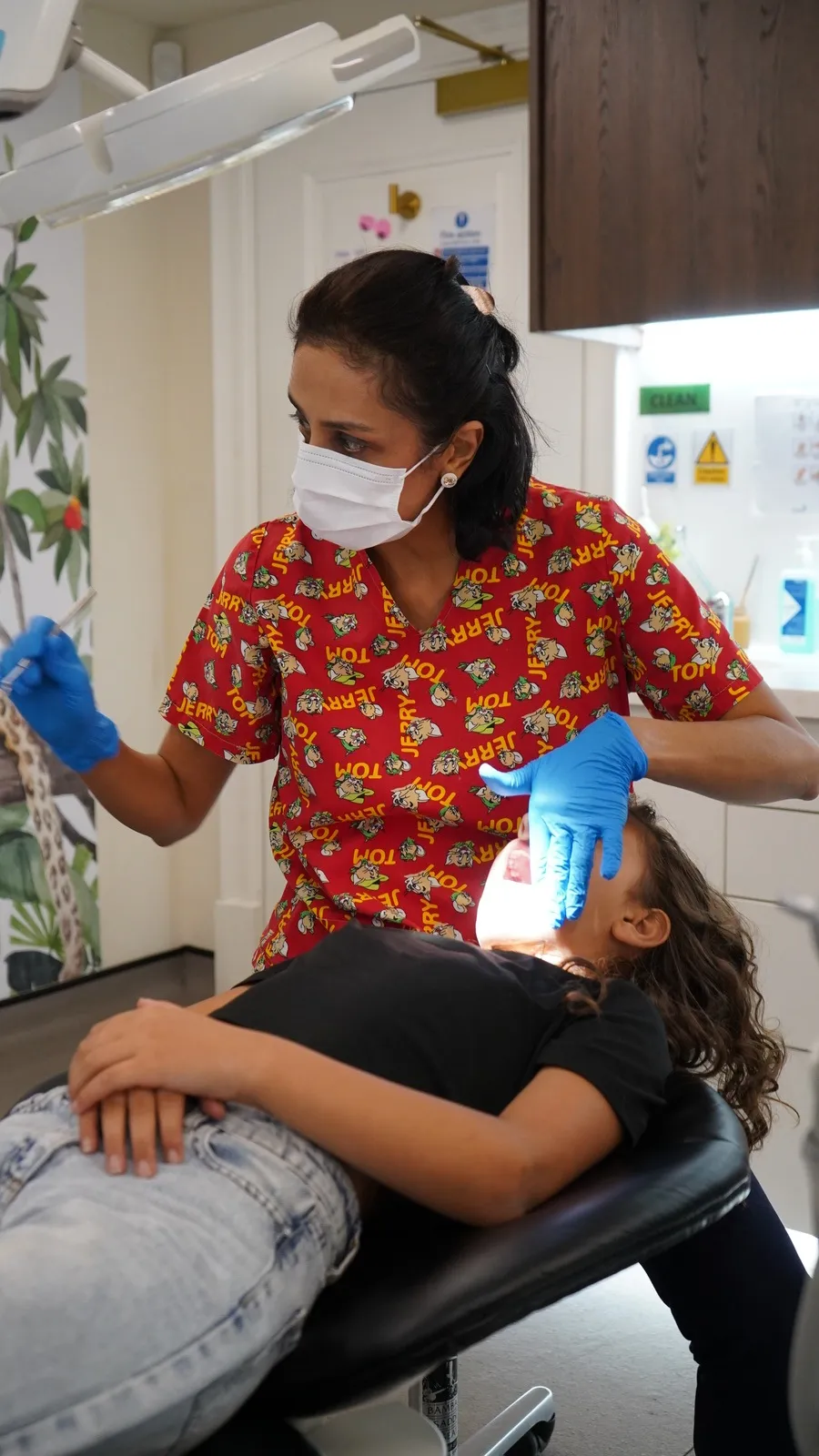
If it’s a particular treatment you’re dreading, sedation can almost certainly help. We can combine inhalation, oral or IV sedation with nearly any dental treatment we offer — so anxiety never has to stand between you and the care you need. Our IV sedation is delivered by a team of specially trained sedation clinicians who can work alongside any of our dentists during your treatment.
Every sedation patient begins with a pre-sedation consultation and assessment. We review your medical history, talk through the treatment you need, explain exactly what to expect before, during and after, and agree the sedation option that suits you best — so you arrive on the day fully prepared and reassured.
Patients regularly choose sedation for fillings and restorative work, root canal treatment, dental implants, tooth extractions and wisdom teeth, and hygiene and gum (periodontal) treatment. At your consultation we’ll match the right level of sedation to the treatment and to how you’re feeling — gentle inhalation for milder nerves, oral sedation for moderate anxiety, or IV sedation for severe phobia and longer appointments. Whatever you’ve been putting off, there’s a calm, safe way to get it done. For children, see our children’s dentistry page.
Show more
Show less
Almost all of them — including fillings, root canal, implants, extractions and wisdom teeth, hygiene and periodontal (gum) treatment, crowns and restorations, and oral surgery. If you’re unsure about a specific treatment, just ask.
It depends on your anxiety level, the treatment and your preferences. As a guide: inhalation/RA for mild anxiety and for children, oral sedation for moderate anxiety, and IV sedation for severe phobia or longer, more complex appointments. We’ll recommend the best fit at your consultation.
Every sedation patient has a pre-sedation consultation and assessment first. We check your medical history, discuss the treatment, and explain exactly how to prepare and what to expect before, during and after — then agree the right sedation option together. Helping anxious and phobic patients is one of the things we’re known for, and part of why we were voted Dental Practice of the Year 2026 by real patients.
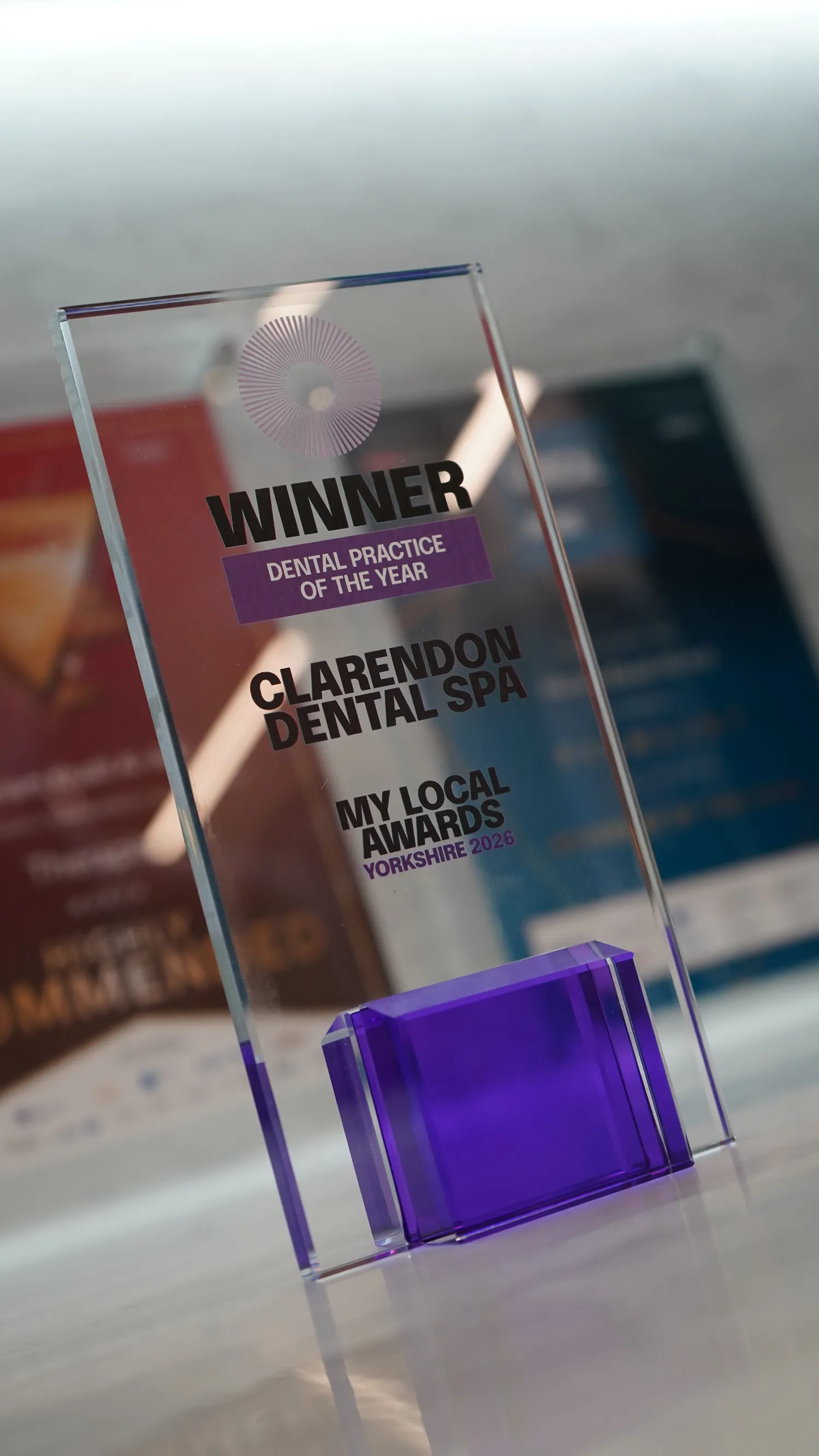
THE BRAND PATIENTS TRUST
“I have never experienced Sedation before, it was truly the most relaxing experience … the team were outstanding and put me at ease from the start”
Tanya Newton
“Super experience. My little girl was so nervous, but then she was lightly sedated. The dentist was patient, pleasant and interacted so well with my daughter … thank you to all the team there”
Tina Beckett
“I had the privilege to be attended to by Priyanka and Millie, and they were outstanding in helping me feel calm and relaxed. After the anaesthetic injection the procedure was very swift and painless”
David William
“Was very anxious before I had my first sedation … however, I needn't have worried! My dentist Alice Harding and her nurses Laura and Amanda, were wonderful and did everything they could to put me at ease”
Angela Schofield

Dr Mohammed M Akhtar
July 4, 2026