Next
Next
Where it fits in your routine
A simple addition, often misunderstood. Mouthwash can support your oral hygiene routine—but its role, benefits, and limitations are best understood in the context of personalised dental care.
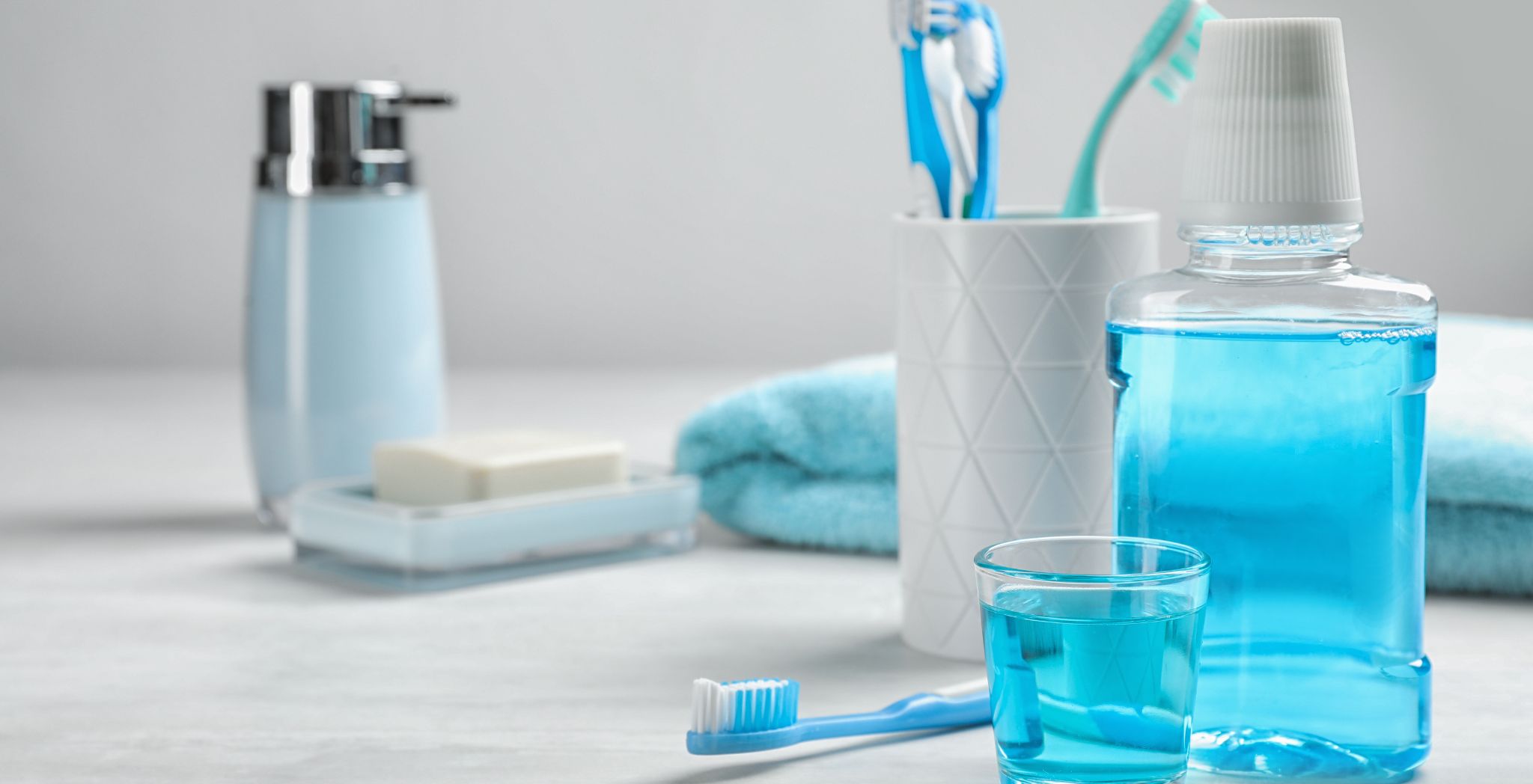
Brushing and flossing form the foundation of good oral hygiene—but where does mouthwash sit within that routine?
While not essential for everyone, mouthwash can be a valuable addition when used correctly and for the right reasons.
When incorporated alongside brushing and flossing, mouthwash can offer several advantages:
In some situations, mouthwash is particularly beneficial. Patients experiencing conditions such as Xerostomia (dry mouth) or following certain dental treatments may be advised to use a specialised rinse as part of their care plan.
This is why regular dental assessments are important—recommendations should always be tailored to the individual.
Despite its benefits, mouthwash is often misunderstood.
One of the most common assumptions is that it can treat Halitosis (bad breath). In reality, most mouthwashes only mask odour temporarily rather than addressing the underlying cause.
Persistent bad breath may be linked to broader health conditions, including Gastroesophageal reflux disease, and should be properly assessed rather than covered up.
Mouthwash should never be seen as a replacement for brushing or flossing.
A strong oral hygiene routine is always built on the basics.
In short, no—mouthwash is not an absolute requirement.
For most patients, maintaining oral health comes down to:
Mouthwash can enhance this routine, but its use should be guided by individual need rather than assumption.
When used appropriately, mouthwash can offer meaningful support to your oral health. However, the most effective routines are those tailored to you—grounded in clinical advice and built on consistent, fundamental care.