.svg)
Next
Next
Children’s Dentistry
Habits built young, last a lifetime
Oral Health & Hygiene Education
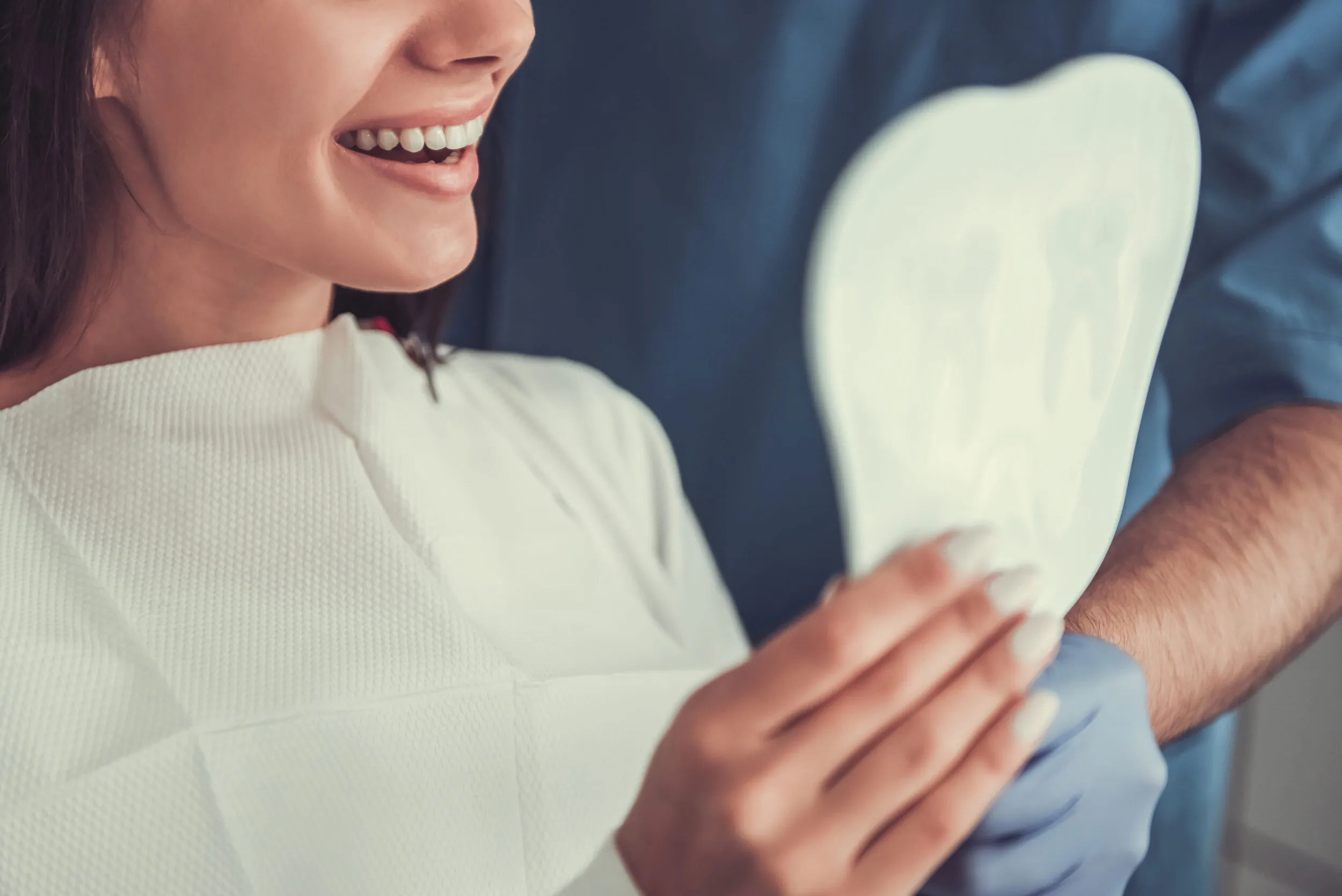
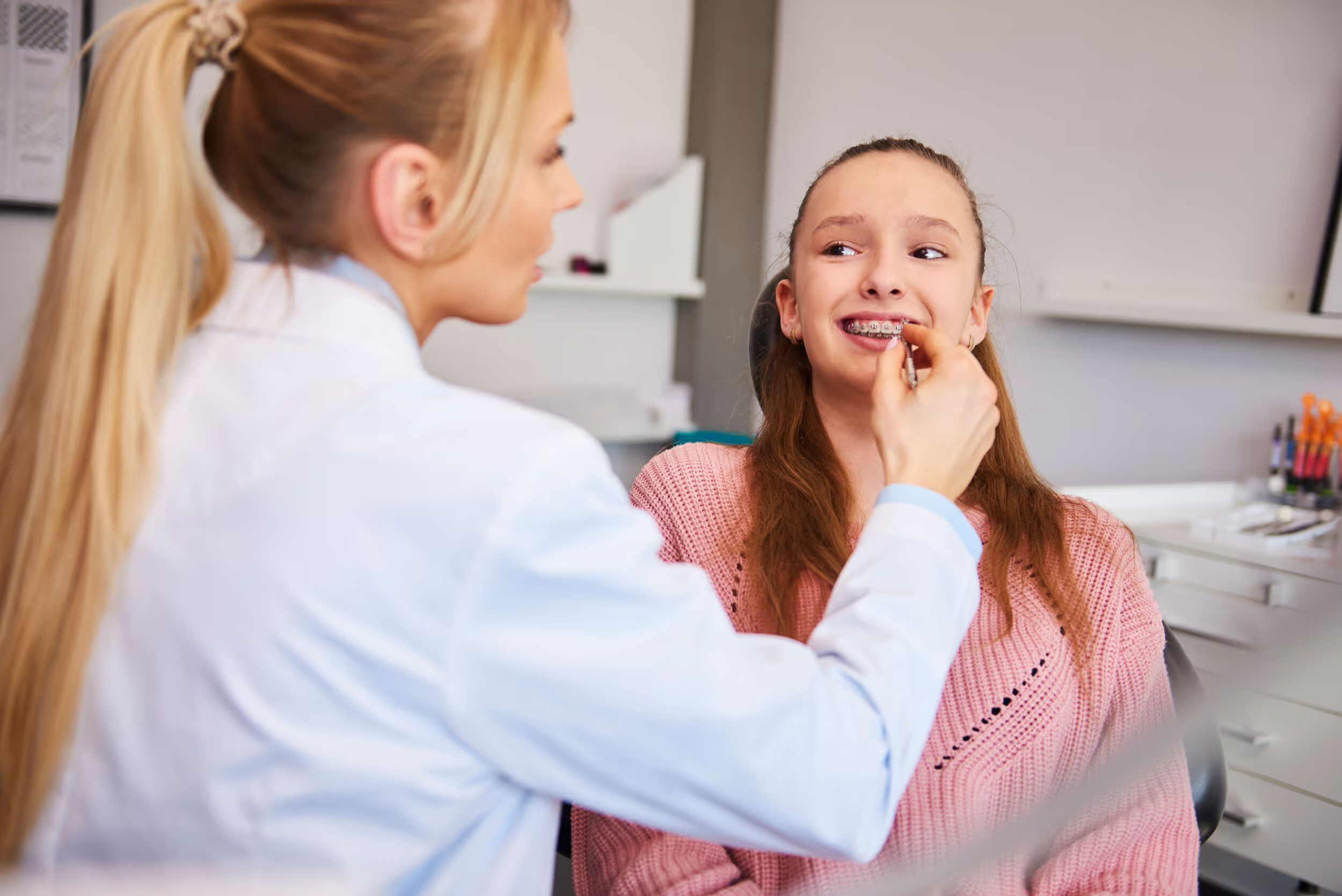
Good oral health starts with good habits — and good habits start young. At Clarendons, we don’t just check your child’s teeth; we teach them (and you) how to look after them properly. Age-appropriate brushing techniques. Flossing guidance when teeth start to touch. Diet advice tailored to real life. Help managing habits like thumb-sucking or grinding. Practical, friendly, non-judgemental education that empowers both child and parent.


Education isn’t a one-off — it evolves as your child grows. What works for a toddler is different from what works for a 7-year-old is different from a teenager. Our team adapts guidance to each age and stage, so your child always has the right tools to keep their smile healthy.

What does oral health education involve?
Our oral health education for children covers: brushing technique (age-appropriate method, duration, frequency and products); flossing technique (once teeth touch); dietary advice (understanding hidden sugars, acid erosion risks, safer snack choices); habit management (thumb-sucking, tongue thrusting, grinding and their effects on developing teeth); orthodontic awareness (spotting early signs that orthodontic consultation may be needed); and protective strategies for active children (mouthguards, fissure sealants, fluoride). All delivered in age-appropriate language, with parental involvement encouraged throughout.

Features and benefits
A 3-year-old needs different brushing help than a 10-year-old. We tailor technique, tools and language to your child’s developmental stage for maximum effect.
Real advice for real families — including how to handle birthday parties, school lunches, and genuine treats without creating dental disasters.
Thumb-sucking, pacifier use, grinding, mouth breathing — we help you understand the dental implications and work out practical, kind approaches to address them.


The Clarendon's Difference
“Brush twice a day and floss” doesn’t help a 5-year-old who doesn’t know how to brush properly, or a teenager who’s never flossed. At Clarendons, we show — with age-appropriate tools, time and patience. Demonstrations with disclosing tablets that reveal plaque. Proper technique walked through tooth by tooth. Questions welcomed. Progress celebrated at each visit.
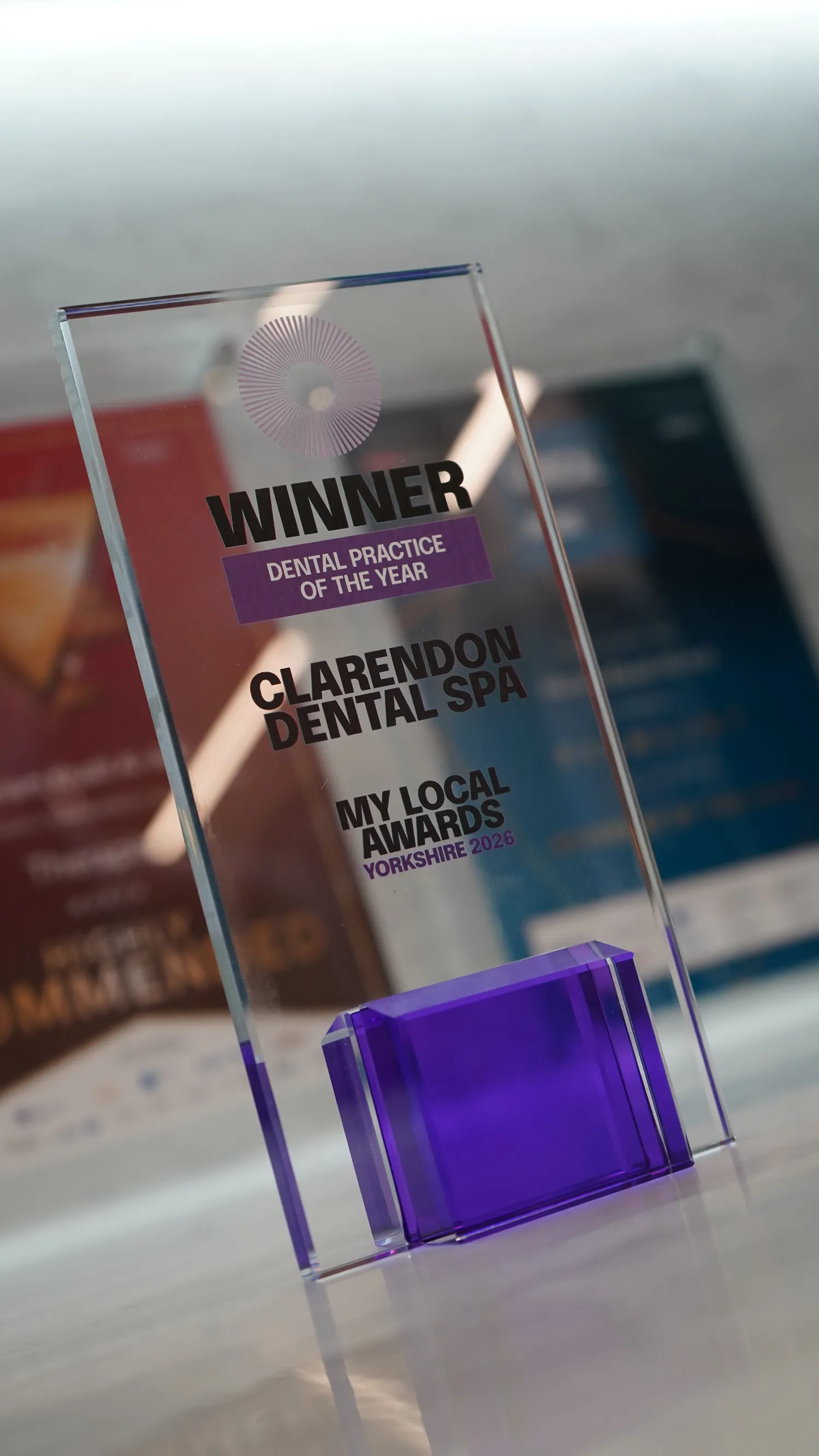
Our award-winning clinic in Leeds city centre makes oral health education fun for kids and useful for parents. Paediatric-trained team. Calm, kid-friendly environment. Practical take-away tips you can actually implement. And ongoing support at every check-up — because good habits need reinforcement over years, not just one session.
Show more
Show less

THE BRAND PATIENTS TRUST

Does oral health education cost extra?
Oral health education is part of every routine check-up and hygiene appointment at Clarendons — not a paid extra. For extended sessions focused specifically on complex cases (e.g., significant habit management, custom guidance for children with special needs), a dedicated paediatric hygiene appointment may be booked, priced affordably. Your child’s long-term dental health is our priority.
We are a credit broker, not a lender.
Your smile transformation starts here. Explore what makes Clarendons different — from the team behind the work to the journeys that inspire it.