.svg)
Next
Next

Partial Dentures
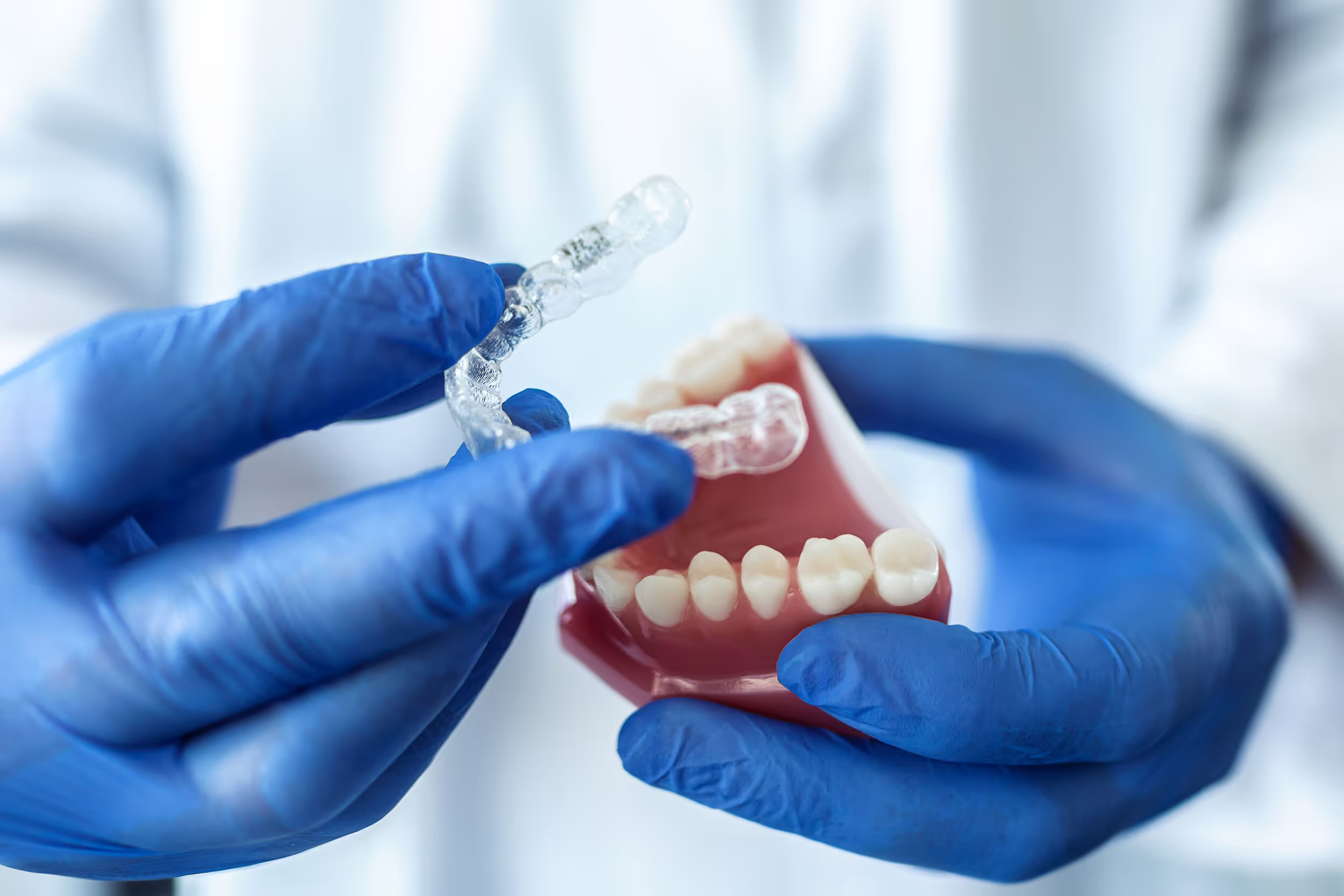
Missing some teeth but not all of them? Partial dentures fill the gaps, restoring appearance and chewing function while working around your remaining natural teeth. They’re removable, custom-crafted to match your existing teeth, and can be made in different materials — acrylic, metal-framed (chrome cobalt) or flexible nylon — depending on your needs. Affordable, effective and widely used, they’re often the right answer when implants or bridges aren’t the best fit.


Partial dentures are particularly useful when multiple teeth are missing in different areas of your mouth, when bone quality doesn’t support implants, or when cost is a consideration. At Clarendons, we design every partial to look natural, feel comfortable and protect your remaining teeth long-term.

What are partial dentures?
Partial dentures are removable prosthetics that replace one or more missing teeth while working around your remaining natural teeth. They typically use small clips or precision attachments to anchor to healthy natural teeth, holding the denture firmly in place during eating and speaking.
Common materials include acrylic (most affordable, typically larger and pinker), cobalt chrome metal-framed (thinner, stronger, better long-term); and flexible nylon (tooth-coloured clasps that are nearly invisible but somewhat less precise). Each has advantages depending on your specific situation.
Show more
Show less

Features and benefits
Modern partial dentures look natural when smiling. Metal-framed and flexible options minimise visible clasps. Shade and shape matched to your remaining teeth.
Gaps cause remaining teeth to drift and over-erupt, leading to bite problems. Partial dentures prevent this by maintaining position. They also distribute chewing forces more evenly.
Significantly less expensive than implants or bridges. Removable for cleaning (keeping both your natural teeth and the denture in good shape). A flexible, accessible option.


The Clarendon's Difference
Many partial dentures look clunky, feel uncomfortable and trap food against natural teeth — accelerating decay and gum disease in the teeth they’re meant to complement. At Clarendons, our partials are designed thoughtfully: clasps positioned for minimum visibility, framework designed for comfort and hygiene, teeth shaded and shaped to blend naturally. Every partial is a considered piece of dental engineering, not a rush job.
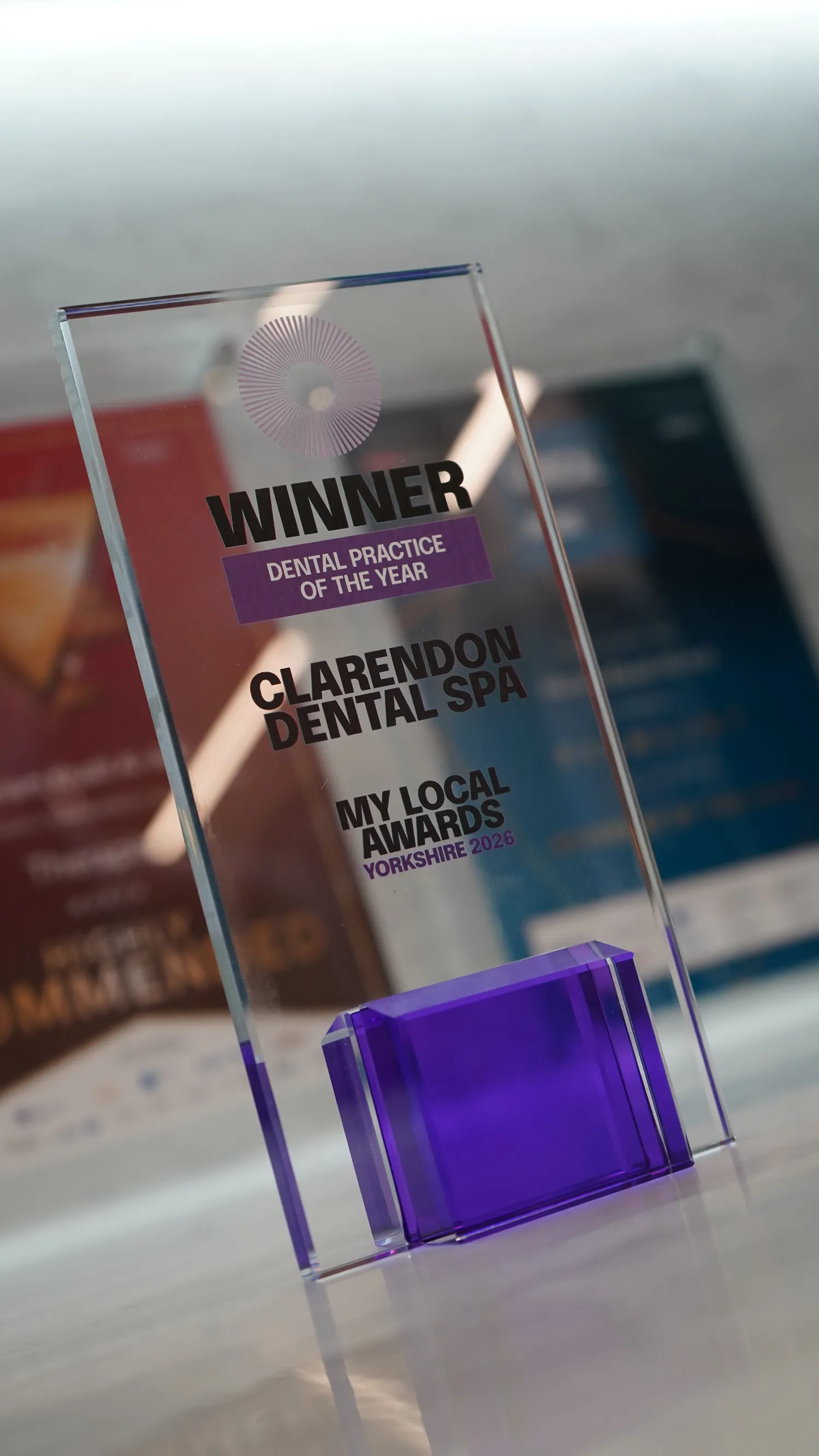
Our award-winning clinic in Leeds city centre delivers partials properly. Multiple fitting appointments. Trial try-ins so you approve aesthetics before final fabrication. Careful bite adjustment to ensure comfortable chewing without damage to your natural teeth. Detailed guidance on cleaning and care. And regular reviews to ensure long-term fit and oral health for the teeth around your partial.
Show more
Show less

THE BRAND PATIENTS TRUST

How much do partial dentures cost?
Partial dentures are priced based on material: acrylic partials are the most affordable; cobalt chrome metal-framed partials cost more but last longer and are generally more comfortable; flexible nylon partials fall between the two. Pricing at your consultation will include all fitting appointments, the final denture and follow-up adjustments. Partial dentures are typically significantly more affordable than implants or bridges. Flexible payment options available.
We are a credit broker, not a lender.
Your smile transformation starts here. Explore what makes Clarendons different — from the team behind the work to the journeys that inspire it.