.svg)
Next
Next

Inlays & Onlays
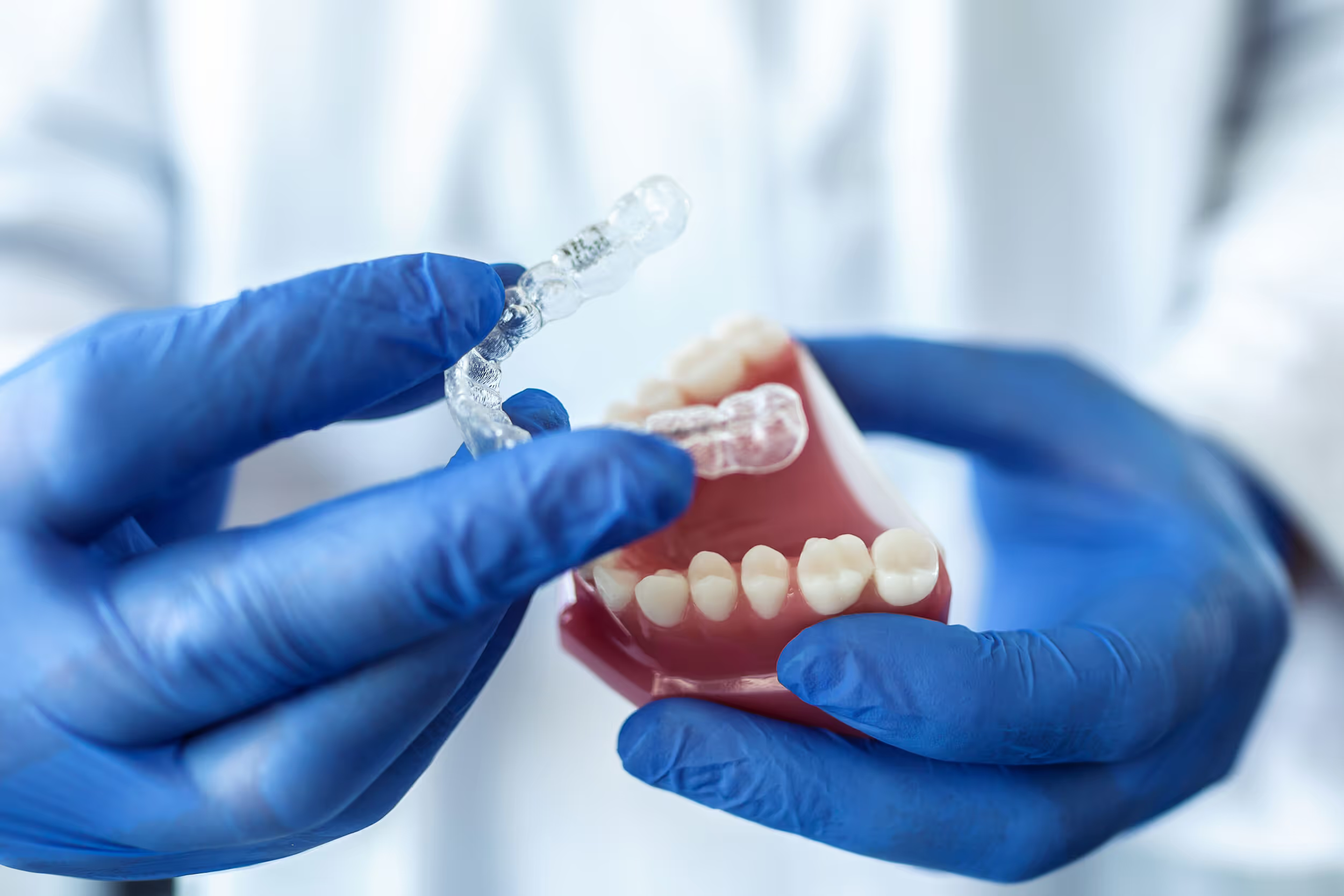
For teeth with larger cavities or damage that’s too significant for a filling but doesn’t yet need a full crown, inlays and onlays offer a beautifully conservative middle-ground. Crafted from porcelain or composite in a dental lab, they’re precisely bonded to your tooth — restoring strength, function and appearance while preserving as much natural tooth as possible. Stronger than direct fillings. Less invasive than crowns. An elegant solution often underused in modern dentistry.

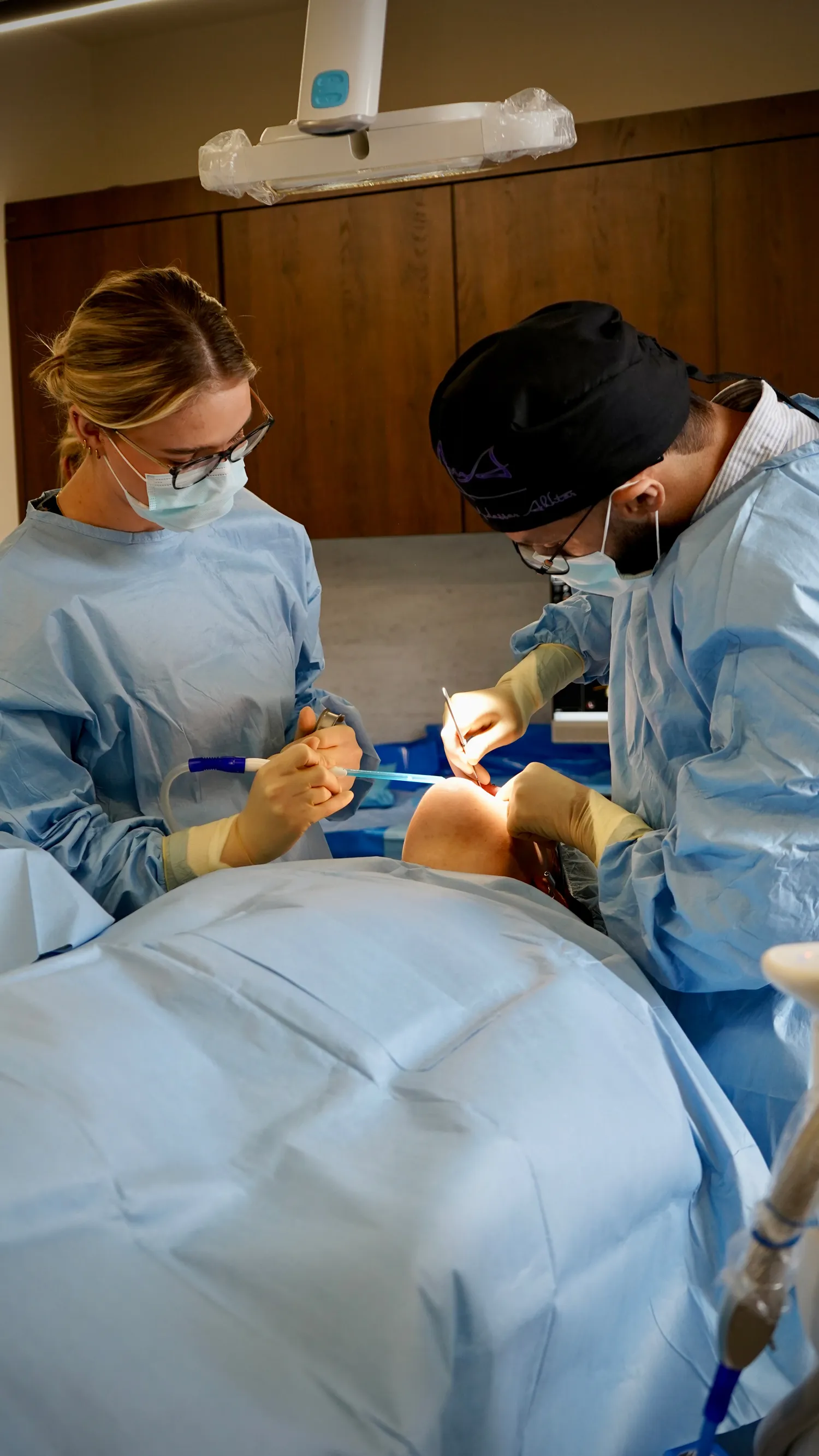

At Clarendons, we’re big believers in conservative restorative dentistry — keeping as much of your natural tooth as we can, for as long as possible. Inlays and onlays let us repair larger areas of damage without resorting to full-coverage crowns. The result is stronger, more durable restorations with natural appearance and genuinely long lifespan.

What are inlays and onlays?
Inlays and onlays are custom-made restorations fabricated in a dental lab (rather than placed directly in the tooth like a filling). An inlay fits within the cusps (raised points) of a tooth, replacing damage to the central chewing surface. An onlay extends further, covering one or more cusps that have been damaged or worn away.
Both are typically made from porcelain (most aesthetic, very durable) or composite (affordable, good for smaller cases) and bonded to the prepared tooth. Because they’re lab-crafted under controlled conditions, they’re typically stronger and longer-lasting than equivalent-sized direct fillings.
Show more
Show less

Features and benefits
More conservative than a full crown. We prepare only the damaged area, preserving healthy cusps and walls that a crown would cover entirely. More of your real tooth, preserved.
Lab-crafted in controlled conditions from high-strength materials. Porcelain inlays and onlays can last 15–20 years — significantly longer than composite fillings of equivalent size.
Porcelain inlays and onlays match natural tooth colour and translucency closely. Invisible on back teeth; often indistinguishable from natural tooth structure on front teeth.


The Clarendon's Difference
Too often, dentists default to full crowns for any larger repair — when an inlay or onlay would preserve more natural tooth with equivalent long-term outcomes. At Clarendons, we assess every case carefully and recommend the most conservative option that will genuinely serve you long-term. If an inlay or onlay is the right answer, that’s what we’ll suggest. If a crown is genuinely needed, we’ll explain why. No over-treatment. No unnecessary tooth reduction.
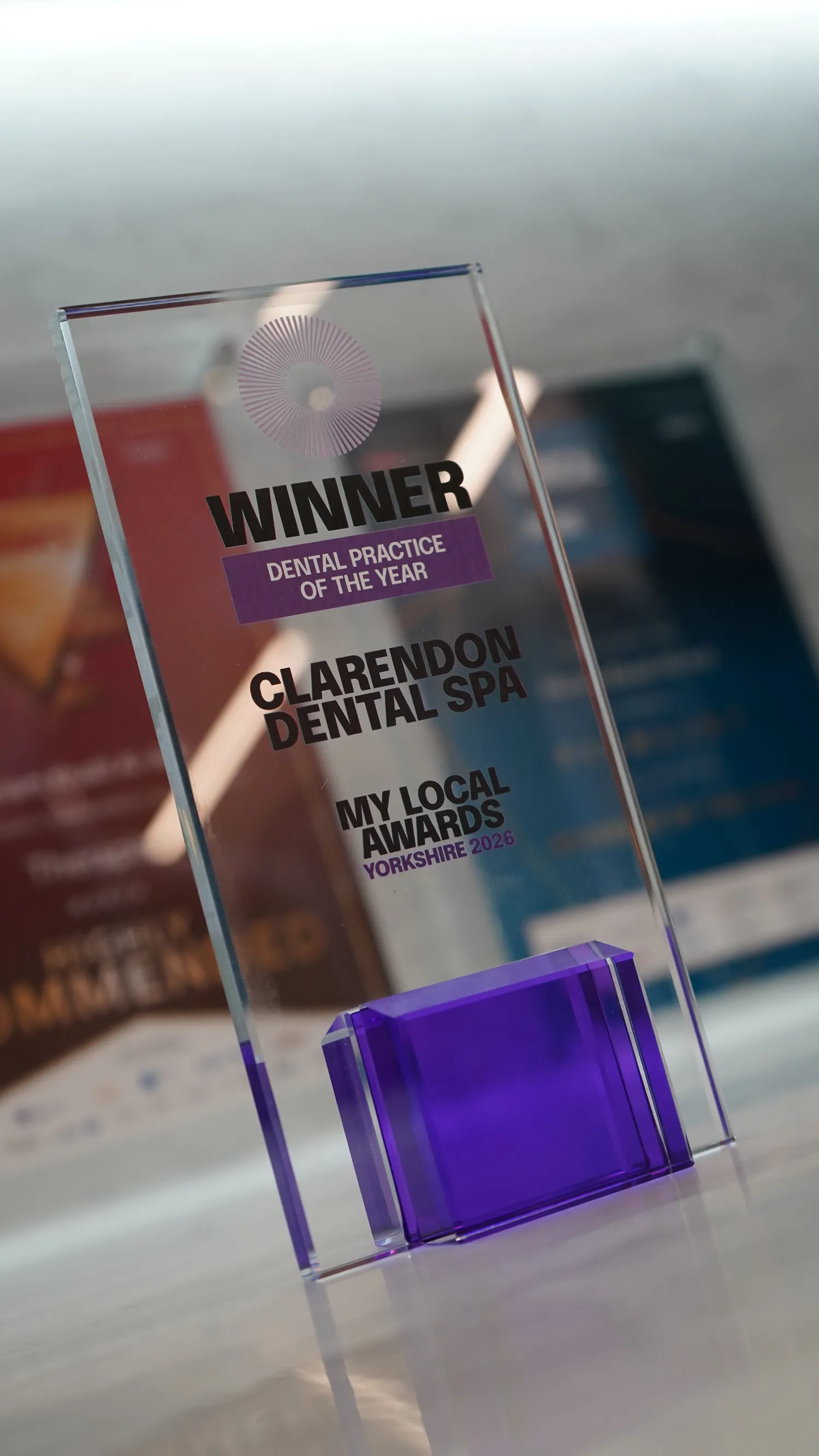
Our award-winning clinic in Leeds city centre uses modern digital scanning and works with a premium ceramic lab for every inlay and onlay. The precision of digital impressions and the quality of lab work make a real difference in how well the restoration fits, seals and performs. Transparent pricing. Interest-free finance. And responsive aftercare to keep your restoration performing beautifully for decades.
Show more
Show less

THE BRAND PATIENTS TRUST

How much do inlays and onlays cost?
Inlays and onlays are priced between large fillings and crowns — reflecting the lab work and premium materials involved. Porcelain is more expensive than composite but offers superior longevity and aesthetics. At your consultation, we’ll provide clear pricing and help you weigh up inlay/onlay vs. crown vs. large filling based on your specific case. Interest-free finance available for larger treatment plans.
We are a credit broker, not a lender.
Your smile transformation starts here. Explore what makes Clarendons different — from the team behind the work to the journeys that inspire it.