.svg)
Next
Next

Dental Crowns
A dental crown covers a damaged or weakened tooth completely, restoring its strength, function and appearance. Made of high-strength ceramic or zirconia, crowns are up to 10x stronger than natural enamel — designed for teeth that are heavily decayed, broken, root-canal-treated, or worn down beyond what a filling can safely repair. When placed properly, they look and feel just like a natural tooth, often lasting 15 years or more.

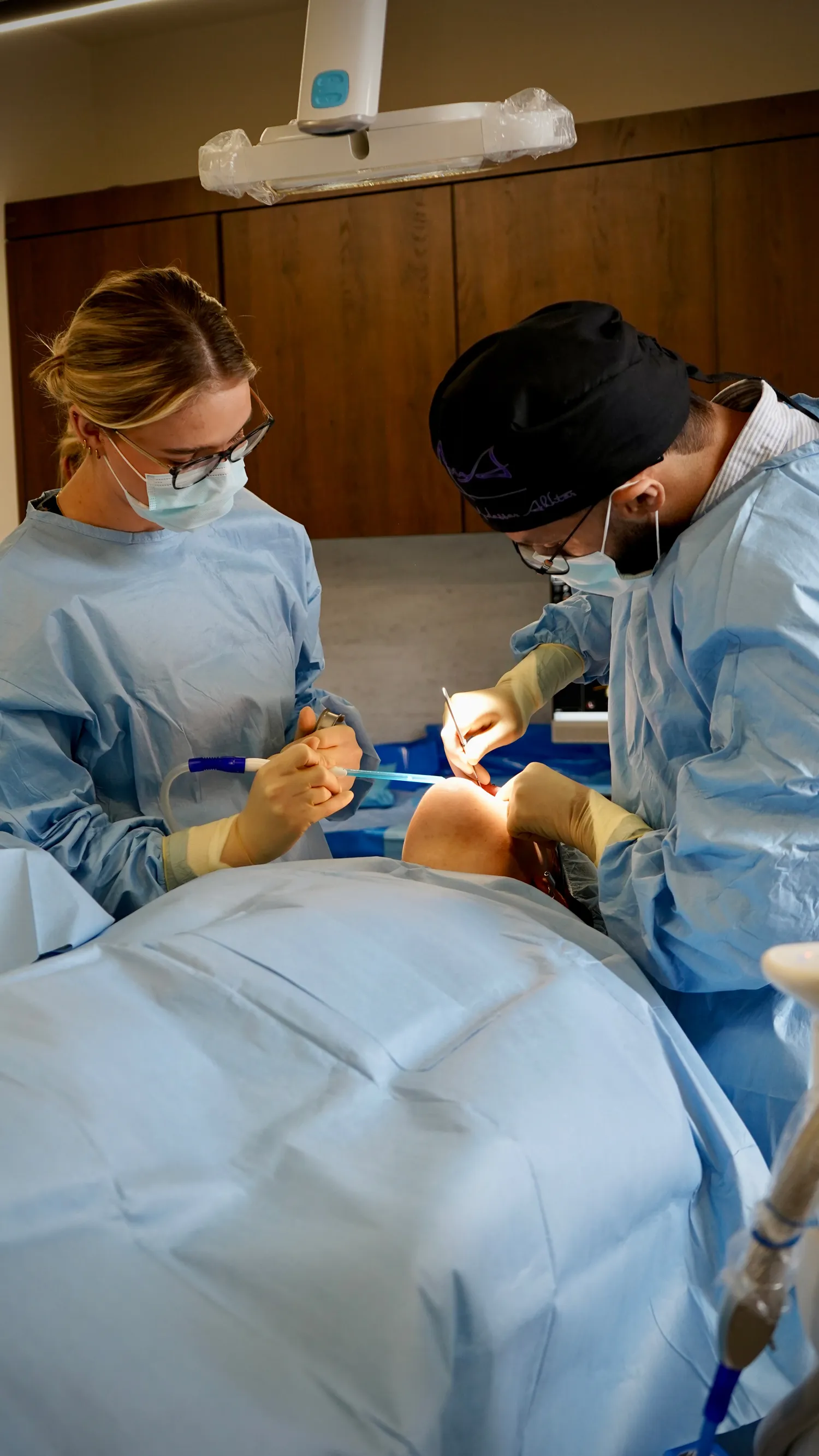

Modern crown materials — particularly zirconia and full-ceramic porcelain — have transformed what crowns can achieve. No more black metal margins. No more fake-looking white teeth. Just precisely-crafted, tooth-coloured restorations that blend seamlessly with your smile. At Clarendons, we partner with a trusted lab for every crown, ensuring premium aesthetics and long-term performance.

What is a dental crown?
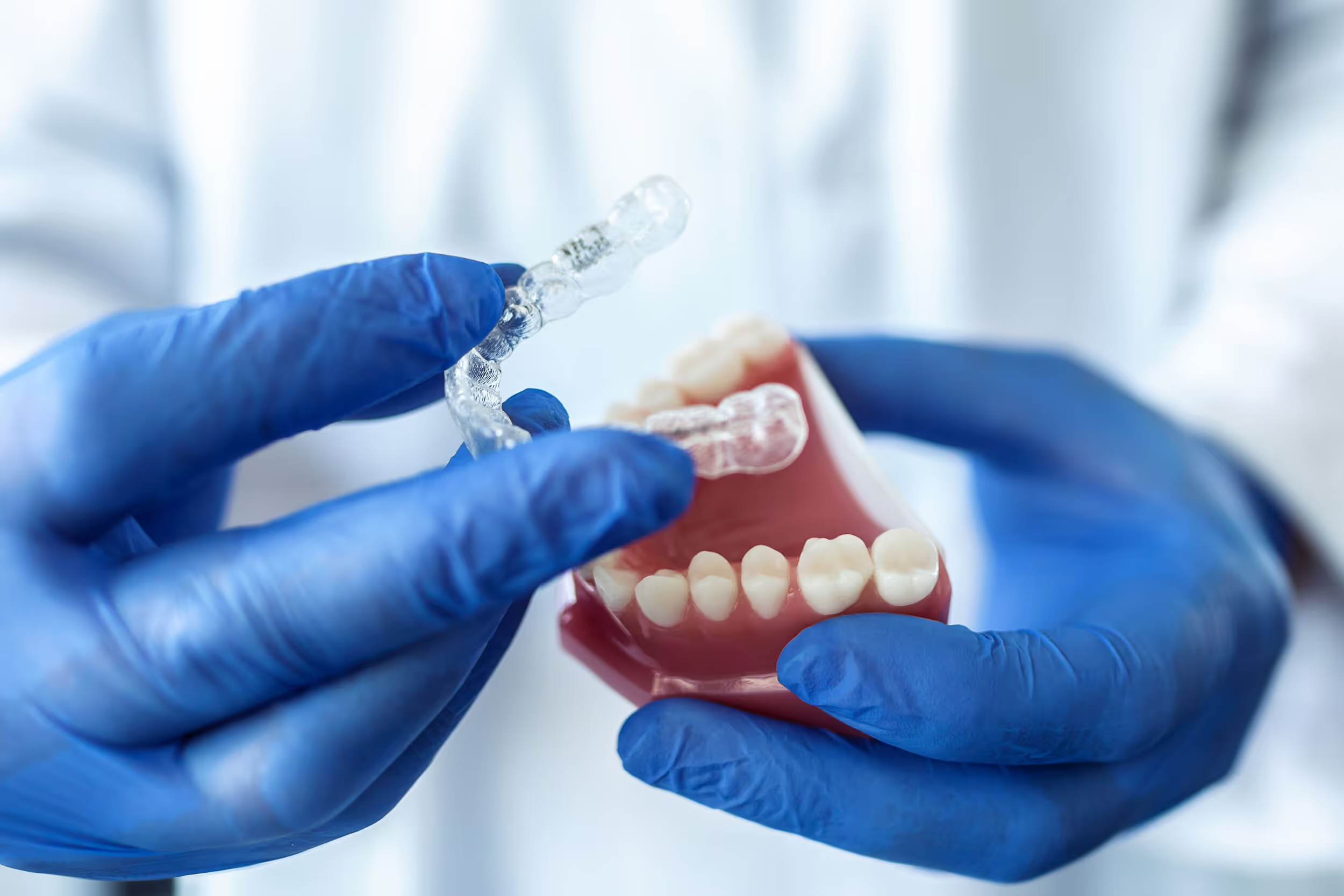
A dental crown is a tooth-shaped cap that covers a damaged or weakened tooth completely, protecting what remains of the natural tooth structure.
Crowns are recommended when a tooth is too badly decayed for a filling to safely restore, after a root canal treatment (as root-canal-treated teeth are brittle and fracture-prone), for teeth with large fractures or cracks, for severely worn teeth, and sometimes for cosmetic improvement of discoloured or misshapen teeth. Modern crowns are typically made from zirconia (extremely strong, natural-looking), full-ceramic porcelain (most aesthetic), porcelain-fused-to-metal (very durable with tooth-coloured appearance), or gold (very traditional, excellent durability but visible).
Show more
Show less

Features and benefits
Modern zirconia and ceramic crowns are extraordinarily strong — designed to withstand decades of normal chewing. Protects weakened teeth that would otherwise crack or fail.
Current ceramic technology delivers crowns that look indistinguishable from natural teeth — subtle shade variations, realistic translucency, natural texture. Even close up, they pass inspection.
A properly placed crown preserves the root of your natural tooth — preferable to extraction and implant in almost every case. Natural roots keep bone healthy and maintain the feel of real teeth.


The Clarendon's Difference
The difference between an excellent crown and an average one is in the details: precise tooth preparation (conservative but adequate), accurate digital impressions, careful bite registration, skilled laboratory work in premium materials, and meticulous fitting and adjustment. At Clarendons, we work with one of the UK’s most respected dental ceramic labs, and we don’t cut corners. Every crown we place is an investment in long-term tooth preservation, not a quick fix.
Our award-winning clinic in Leeds city centre delivers crown treatment with care. Effective anaesthesia and comfortable appointments. Sedation available for nervous patients. Digital smile scanning (no messy impressions). Premium materials. Transparent pricing with flexible payment options. And responsive aftercare to ensure your crown performs beautifully for years. Whether it’s saving a badly damaged tooth or refining a cosmetic concern, crowns at Clarendons are done properly.
Show more
Show less

THE BRAND PATIENTS TRUST

How much does a dental crown cost?
Crown pricing depends on the material and complexity. Full-ceramic and zirconia crowns are the most aesthetic and cost accordingly. Porcelain-fused-to-metal crowns are a more affordable alternative with slightly less aesthetic perfection. Gold crowns are priced by the gold used. At your consultation, we’ll provide itemised pricing for your specific case. Interest-free finance is available to spread the investment.
We are a credit broker, not a lender.
Your smile transformation starts here. Explore what makes Clarendons different — from the team behind the work to the journeys that inspire it.